
Learn › Life cycle › Married life
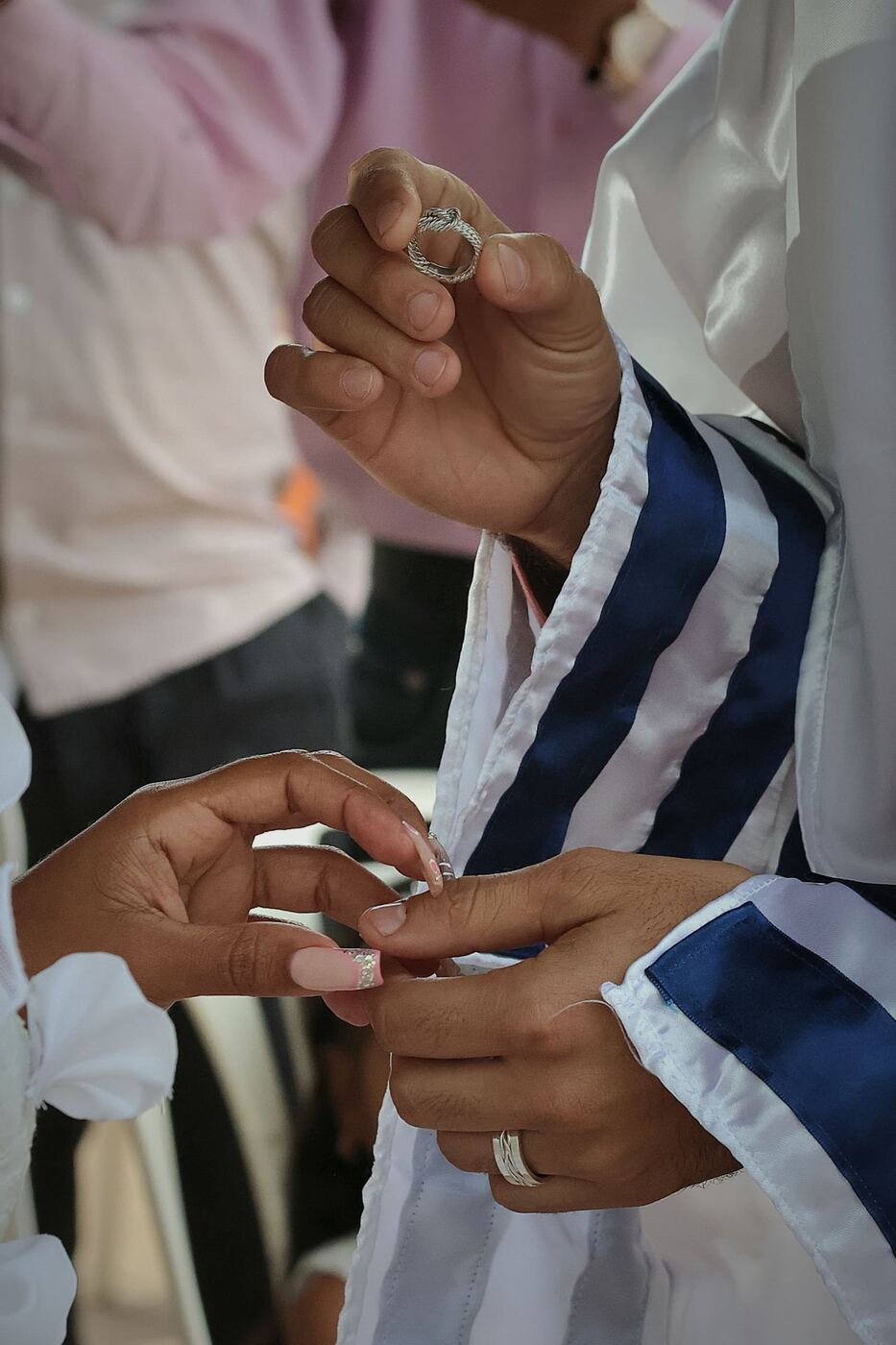
The First Year of Marriage: Shana Rishona in Jewish Tradition
The Torah calls the first year of marriage a year of joy. How to use shana rishona to build habits, talk well, handle in-laws and share Shabbat.
Part 18 of 21 · Love and marriage, step by step
On this page · 2 min read
The Torah's year of joySheva Brachot: the first weekBuilding habits that lastTalking wellIn-laws and familyThe first year of marriage has a special name in Jewish tradition: shana rishona, "the first year." The Torah treats it as a protected year of joy, a time to build the foundation of a lifelong partnership.
The Torah's year of joy
The Torah says: "When a man takes a new wife, he shall not go out with the army... he shall be free for his home for one year, and he shall bring joy to his wife whom he has taken" (Deuteronomy 24:5). In ancient Israel, a new husband was exempt from military service for a whole year.
The message is timeless. The first year is not a time to be distracted by everything else. It is a time to put the marriage first, to learn each other, and to make each other happy.
Sheva Brachot: the first week
The celebration does not end at the wedding. For seven days, family and friends host festive meals for the couple, and when there is a minyan and a new guest, the seven wedding blessings are said again after the meal. See Sheva Brachot. It is a week that surrounds the couple with love, and a reminder that a Jewish marriage is part of a whole community.
Building habits that last
What you start in the first year tends to stay. Some good habits:
- Shabbat together. Light Shabbat candles, make Kiddush, and sit down to a real meal without phones. Decide together how you want your Shabbat to look. See Shabbat Meals.
- Family purity. The monthly rhythm of family purity brings renewal and closeness. Keep learning and keep asking questions.
- Learning together. Even ten minutes a week on the weekly parsha gives you something to talk about besides chores.
- Tzedakah. Put a pushka in the kitchen and give together.
- A Jewish home. Mezuzahs, books and a kosher kitchen. See Setting Up a Jewish Home.
Talking well
Two people from two families bring two sets of expectations. Disagreements are normal. What matters is how you handle them:
- Speak gently, and never in front of others.
- Listen first. Try to understand before trying to be understood.
- Say thank you often, for small things.
- Do not keep score. Marriage is not fifty-fifty; each gives fully.
See Shalom Bayit and Marriage Arguments: Jewish Wisdom.
In-laws and family
The Torah says a man "leaves his father and mother and cleaves to his wife." A new couple remains close to and honors their parents, but they now make their own decisions together. Be generous with both families, divide holidays fairly, and never complain about your spouse to your parents. See In-Laws.
In Lamorinda: Newlyweds in Lafayette, Moraga, Orinda and the East Bay: Rabbi Yisroel and Rebbetzin Tzipora Labkowski are glad to talk with you, privately, 925-384-7242.
Common questions
Is the first year supposed to be easy?
Not always. Adjusting to life together takes work. The Torah's point is that the first year deserves special attention, so problems can be solved while they are small.
Should we avoid traveling apart in the first year?
Many couples try to spend as much time together as possible in shana rishona, in the spirit of the Torah's verse. Every situation is different; ask the Rabbi if a question comes up.
We did not grow up observant. Where do we start?
Start with one thing you can do together, like Friday night candles and dinner. Build from there, step by step.
Can we talk to the Rabbi or Rebbetzin about our marriage?
Yes. Rabbi and Rebbetzin Labkowski are glad to talk with couples, privately and confidentially. Call 925-384-7242, or see Marriage and Family Difficulties: Talk to the Rabbi in Confidence.
Step by step · Part 18 of 21
Love and marriage, step by step
NextJewish Wedding Anniversary: Ways to Celebrate on Your Hebrew DateHow to mark your wedding anniversary the Jewish way: renew your commitment on the Hebrew date, add a mitzvah, give tzedakah and share a Kiddush.All 21 parts
- Jewish Dating: Finding Your Match the Jewish Way
- Bashert: Is There One Soulmate for Everyone?
- Jewish Engagement: The L'chaim, Tenaim and the Months Before the Wedding
- Tenaim: The Engagement Agreement and the Broken Plate
- A Jewish Wedding in Lafayette, Moraga or Orinda: Rabbi, Chuppah and Planning
- Choosing a Wedding Date: Jewish Calendar Guidelines
- Kallah Classes: Preparing for Marriage as a Jewish Bride
- Chosson Classes: Preparing for Marriage as a Jewish Groom
- What Is an Aufruf? The Groom's Torah Honor Before the Wedding
- Ketubah and Wedding Ring: The Jewish Marriage Contract Explained
- Fasting on Your Wedding Day: Why Bride and Groom Fast and How It Ends
- The Jewish Wedding: Traditions and Ceremony Explained Step by Step
- What Is a Chuppah? The Wedding Canopy and Its Meaning
- Jewish Wedding Customs and Traditions Explained
- Yichud: The Couple's First Minutes Alone After the Chuppah
- Attending a Jewish Wedding: A Guest's Guide
- Sheva Brachot: The Seven Wedding Blessings Explained
- The First Year of Marriage: Shana Rishona in Jewish Tradition
- Jewish Wedding Anniversary: Ways to Celebrate on Your Hebrew Date
- Shalom Bayit: Peace in the Jewish Home
- Marrying Again: A Jewish Guide to a Second Marriage
Talk privately with the Rabbi or the Rebbetzin
We help with every kind of dispute and family matter, with great success. Come early, before things spiral; and it is never too late. With the Torah's way and a positive outlook, there is a way forward from any situation. Reach out privately; no membership needed.
Read next
 Shalom Bayit: Peace in the Jewish HomeWhat shalom bayit means, why Judaism treasures peace between husband and wife, and simple daily ways to build a calm, loving Jewish home.Read next →