
Learn › Shabbat & holidays › The Shabbat table and meals
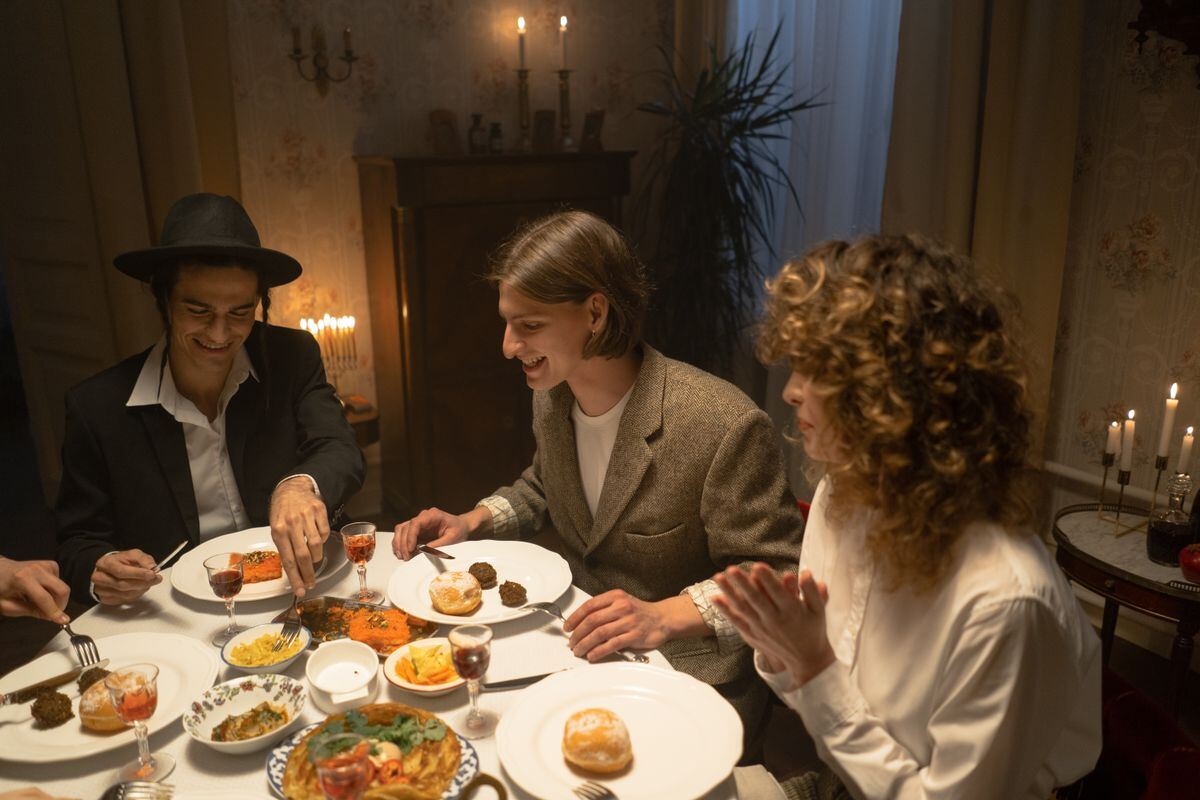
The Three Shabbat Meals: Customs, Order and What to Serve
What the three Shabbat meals are, the order of a Friday night dinner, the blessings over wine and challah, songs, and traditional Shabbat foods.
Part 15 of 23 · Shabbat, step by step
On this page · 2 min read
Why we eat festive meals on ShabbatThe Friday night meal, step by stepShabbat lunchThe third meal: Seudah ShlishitTraditional Shabbat foodsOn Shabbat, it is a mitzvah to eat three festive meals: Friday night dinner, Shabbat lunch, and a third meal in the late afternoon. Each begins with challah, and the first two begin with Kiddush over wine.
Why we eat festive meals on Shabbat
The prophet Isaiah says, "Call Shabbat a delight" (58:13). One of the main ways we delight in Shabbat is with good food, wine, songs and company. The Talmud teaches that the three meals are hinted to in the Torah, where the word "today" appears three times in the verse about eating the manna on Shabbat (Exodus 16:25).
Eating on Shabbat is not just physical. Chassidic teaching explains that the Shabbat meals elevate the food, the body and the soul, and bring blessing to the entire week.
The Friday night meal, step by step
- Light the Shabbat candles before sunset.
- Sing Shalom Aleichem, welcoming the Shabbat angels, and Eishet Chayil, "A Woman of Valor," in honor of the women of the home.
- Bless the children. In many communities parents place their hands on each child's head and bless them. This is not the widespread Chabad custom, so ask the Rabbi about yours.
- Make Kiddush over a cup of wine or grape juice.
- Wash hands for bread with a cup, and say the blessing al netilat yadayim.
- Say Hamotzi over two whole loaves of challah, recalling the double portion of manna that fell before Shabbat. Dip the challah in salt and share it around.
- Enjoy the meal. Share Torah thoughts, songs (zemirot) and stories.
- Say Grace after Meals (Birkat Hamazon).
Shabbat lunch
The second meal follows the morning prayers. It begins with the daytime Kiddush, which is shorter, followed by washing and Hamotzi over two challahs. Many serve cholent, a slow-cooked stew kept warm from before Shabbat.
The third meal: Seudah Shlishit
The third meal is eaten in the late afternoon, after the afternoon prayers and before sunset. There is no Kiddush, but it is customary to wash and say Hamotzi over challah. (Chabad custom is to taste some food rather than make a full bread meal; see Seudah shlishit.) It is often lighter, with quiet, soulful melodies, as Shabbat is ending. Chassidic teaching calls this a time of great spiritual closeness.
Traditional Shabbat foods
Every community has its favorites. Common dishes include:
- Challah, often homemade
- Gefilte fish or another fish course
- Chicken soup
- Roast chicken or meat
- Cholent for lunch, kept warm on a blech or hot plate
- Kugel, such as potato or noodle kugel
Foods must be cooked before Shabbat begins and kept warm in ways that follow the laws of Shabbat. See our guide to the 39 melachot.
In Lamorinda: Join us for a Shabbat meal or request one delivered at jewishlamorinda.com/forms/shabbat-meal, or call 925-384-7242.
Common questions
Do I have to make all three meals?
All three meals are a mitzvah. If the third is hard, even a small amount of challah or other food at that time is good. Do what you can, and grow from there.
Can I use grape juice for Kiddush?
Yes. Kosher grape juice may be used for Kiddush in place of wine.
What if I have no challah?
Two whole loaves of any kosher bread or two matzahs can be used. The bread should be whole.
Can I invite guests who are not observant?
Absolutely. Sharing a Shabbat meal is one of the warmest ways to welcome someone. See our guide to hachnasat orchim, welcoming guests.
Step by step · Part 15 of 23
Shabbat, step by step
NextAn Easy Shabbat Dinner Menu: Five Simple Courses You Can Make FridayAn easy Shabbat dinner menu in five simple courses, with make-ahead tips and what to buy ready-made. Plan your Friday night with Chabad of Lamorinda.All 23 parts
- Shabbat for Beginners: How to Start Keeping Shabbat
- Getting Ready for Shabbat: A Friday Checklist
- Setting the Shabbat Table: Candles, Two Challahs, Kiddush Cup and Salt
- What to Wear on Shabbat and to Synagogue: Dress for Shabbat Explained
- How to Keep Food Warm on Shabbat: The Blech, Hot Plate and Urn
- Shabbat Candles: How and When to Light, With the Blessing
- Early Shabbat in Summer: Why Kabbalat Shabbat Can Start Before Sunset
- Friday Night Dinner, Step by Step: Your First Shabbat Meal at Home
- Kabbalat Shabbat: Welcoming Shabbat on Friday Night
- Lecha Dodi: Meaning, Author and Why We Turn to Welcome Shabbat
- Shalom Aleichem: The Friday Night Song Welcoming the Angels
- Kiddush: How to Make Kiddush on Shabbat and Holidays
- Kiddush Without Wine: Grape Juice and Alcohol-Free Options
- Hamotzi: The Blessing Over Bread in Hebrew and English
- The Three Shabbat Meals: Customs, Order and What to Serve
- An Easy Shabbat Dinner Menu: Five Simple Courses You Can Make Friday
- How to Share a Short Torah Thought at Your Shabbat Table
- Shabbat Table Songs (Zemirot): Singing at the Shabbat Meal
- Shabbat Day: From Morning Services to the Last Light
- Seudah Shlishit: The Third Shabbat Meal
- The 39 Melachot: What Counts as Work on Shabbat
- Techum Shabbat: How Far May You Walk on Shabbat?
- Havdalah: How to End Shabbat With Wine, Spices and Flame
Questions about this, or something on your mind? Message the Rabbi or the Rebbetzin privately, or call 925-384-7242. · Email
Read next
 Kiddush: How to Make Kiddush on Shabbat and HolidaysWhat Kiddush is, how to say it over wine on Friday night and Shabbat day, the blessing in English, and what to do if you do not drink wine.Read next →