
Learn › Life cycle › The Jewish wedding
Yichud: The Couple's First Minutes Alone After the Chuppah
What is the yichud room? The private minutes a couple spend alone after the chuppah, the witnesses and the first meal. Ask Chabad of Lamorinda.
Part 15 of 21 · Love and marriage, step by step
On this page · 2 min read
What is yichud?Who are the witnesses?How long does yichud last?What happens in the yichud room?Yichud (יחוד, "togetherness" or "seclusion") is the few private minutes that a Jewish bride and groom spend alone in a closed room right after the chuppah. It is a required part of the wedding, and it is also the first time the couple can sit together, and eat, as husband and wife.
What is yichud?
When the seven blessings under the chuppah are finished and the glass is broken, the couple does not go straight to the party. They are brought to a private room, the "yichud room." This is the final act of the chuppah. In Jewish law it is not just a nice custom: it completes the marriage and must be witnessed.
It is the couple's first time together in private as husband and wife. Moving the bride into her husband's home is a sign of marriage, and yichud completes that picture.
Who are the witnesses?
Two qualified witnesses, specifically appointed for this role, walk the couple to the room, check that nobody else is inside, and see that the door is closed and locked. They then wait outside during the time of seclusion. They should be Torah-observant adult Jewish men who are not related to the bride or groom or to each other. The same two witnesses may serve for the ring and for yichud, though families often honor different people with each role.
How long does yichud last?
Some give about eight or nine minutes; the Taz holds that the couple should walk hand in hand from the chuppah and stay together for about ten minutes. Your rabbi will tell you what is done in your wedding.
What happens in the yichud room?
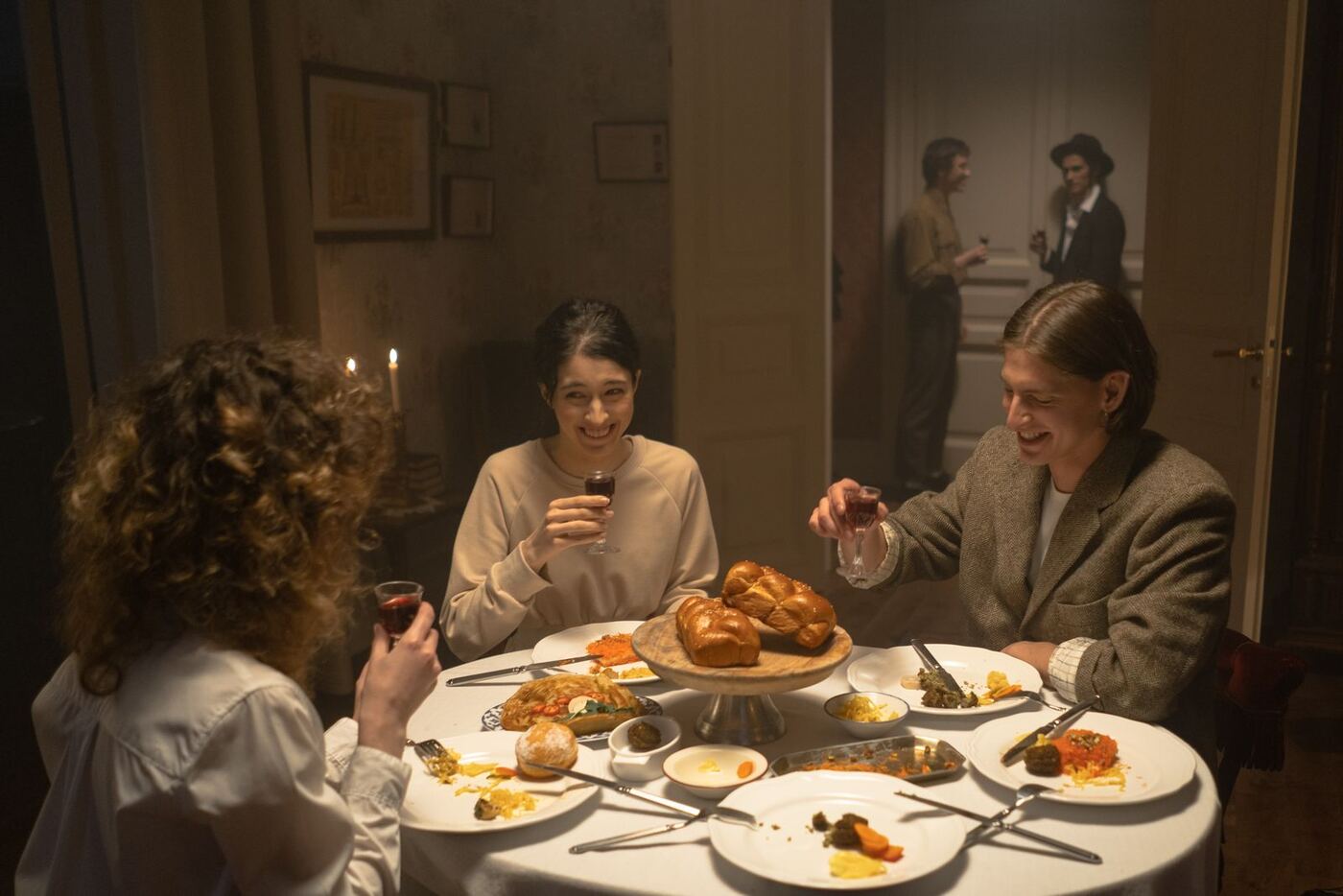
- The first meal. Brides and grooms customarily fast on their wedding day (see Fasting on your wedding day), and the yichud room is where they break the fast. The room should be prepared in advance, with light refreshments arranged with the caterer.
- Quiet. Amid photographers, relatives and guests, the couple needs a moment alone. The couple deserves this time, and denying it to them is wrong.
- Joy and gratitude. After a day of prayer and nerves, this is a moment to breathe and share the day together.
Some couples also place a silver spoon on the threshold of the room. This is an optional custom.
After yichud, the couple enters the wedding hall to music, singing and dancing. If you are a guest, see Attending a Jewish wedding for what to expect.
In Lamorinda: Planning a wedding in Lafayette, Moraga or Orinda? Call Rabbi Labkowski at 925-384-7242 to arrange the yichud room.
Common questions
What is a yichud room at a Jewish wedding?
The yichud room is a private room where the bride and groom spend a few minutes alone immediately after the chuppah, with two witnesses waiting outside.
How long is the yichud?
About eight to ten minutes. Ask your rabbi what is customary at your wedding.
Why do bride and groom eat in the yichud room?
They have been fasting since the morning, and the room is prepared with food so they can break their fast and share their first meal as a married couple.
Who guards the yichud room door?
Two appointed witnesses wait outside after making sure the room is empty and the door is locked.
Is yichud required?
Yes. It is a firm requirement of Jewish law, attested by witnesses. Your rabbi will make sure it is arranged properly.
What if our photographer wants us right away?
The couple deserves their private time. Tell your photographer in advance, and let the Rabbi help you plan the schedule.
Take the next step
- Read why the couple arrives hungry in Fasting on your wedding day.
- Review every step in The Jewish wedding and the seven blessings in Sheva Brachot.
- Planning a wedding near Lafayette, Moraga or Orinda? Call Rabbi Labkowski at 925-384-7242.
Step by step · Part 15 of 21
Love and marriage, step by step
NextAttending a Jewish Wedding: A Guest's GuideInvited to a Jewish wedding? What happens from the badeken to breaking the glass, what to wear, what to give, when to arrive and what "Mazal tov" means.All 21 parts
- Jewish Dating: Finding Your Match the Jewish Way
- Bashert: Is There One Soulmate for Everyone?
- Jewish Engagement: The L'chaim, Tenaim and the Months Before the Wedding
- Tenaim: The Engagement Agreement and the Broken Plate
- A Jewish Wedding in Lafayette, Moraga or Orinda: Rabbi, Chuppah and Planning
- Choosing a Wedding Date: Jewish Calendar Guidelines
- Kallah Classes: Preparing for Marriage as a Jewish Bride
- Chosson Classes: Preparing for Marriage as a Jewish Groom
- What Is an Aufruf? The Groom's Torah Honor Before the Wedding
- Ketubah and Wedding Ring: The Jewish Marriage Contract Explained
- Fasting on Your Wedding Day: Why Bride and Groom Fast and How It Ends
- The Jewish Wedding: Traditions and Ceremony Explained Step by Step
- What Is a Chuppah? The Wedding Canopy and Its Meaning
- Jewish Wedding Customs and Traditions Explained
- Yichud: The Couple's First Minutes Alone After the Chuppah
- Attending a Jewish Wedding: A Guest's Guide
- Sheva Brachot: The Seven Wedding Blessings Explained
- The First Year of Marriage: Shana Rishona in Jewish Tradition
- Jewish Wedding Anniversary: Ways to Celebrate on Your Hebrew Date
- Shalom Bayit: Peace in the Jewish Home
- Marrying Again: A Jewish Guide to a Second Marriage
Questions about this, or something on your mind? Message the Rabbi or the Rebbetzin privately, or call 925-384-7242. · Email
Read next
 What Is a Chuppah? The Wedding Canopy and Its MeaningWhat is a chuppah? The Jewish wedding canopy on four poles, why it is open to the sky, who stands under it and what it means. Ask Chabad of Lamorinda.Read next →