
Learn › Prayer & Torah › The Torah, the Tanach and the weekly parsha
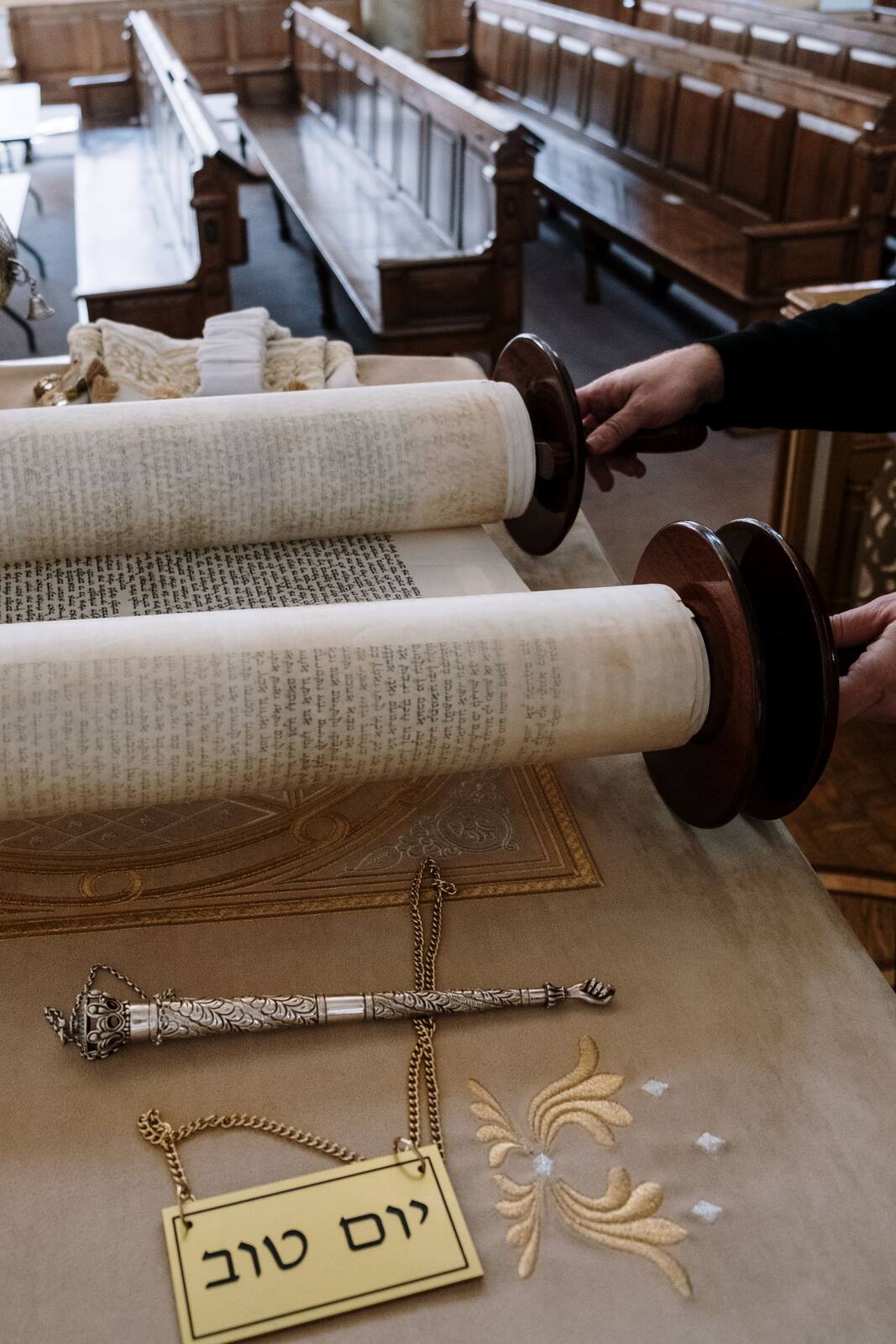
The Weekly Parsha: How the Torah Is Read Each Week
What the weekly Torah portion (parsha) is, how the 54 portions fit the Jewish year, and easy ways to study and discuss the parsha each week.
On this page · 2 min read
How the cycle worksLiving with the timesWays to study the parshaBringing it to the Shabbat tableYour bar or bat mitzvah parshaThe weekly parsha is the section of the Torah read in synagogue each Shabbat. The Five Books of Moses are divided into 54 portions, so that the entire Torah is read once a year, from the creation of the world to the passing of Moses.
How the cycle works
Each parsha is named after one of its first important words. The first is Bereishit, "In the beginning," and the last is V'zot Habracha, "And this is the blessing."
The Jewish year usually has fewer Shabbatot than portions, and some Shabbatot fall on holidays when a special reading replaces the weekly one. So in some weeks two portions are read together. The cycle ends and starts again on Simchat Torah, when we dance with the Torah and immediately begin reading Bereishit again.
Each parsha is divided into seven sections, one for each aliyah on Shabbat morning.
Living with the times
The first Chabad Rebbe, Rabbi Schneur Zalman of Liadi, taught that a Jew should "live with the times," meaning with the weekly parsha. Each portion has a message for that week of our lives. When we read about Abraham welcoming guests, it is a week to open our homes. When we read about the Exodus, it is a week to break out of our own limits.
Ways to study the parsha
- Shnayim mikra v'echad targum. A classic practice is to read the parsha during the week twice in Hebrew and once in translation, either the Aramaic Targum Onkelos or Rashi's commentary.
- Daily Chumash. The Chabad daily study cycle covers one aliyah each day with Rashi, so by Shabbat you have studied the whole portion. See daily Torah study.
- Read a short insight. One idea a week is a great start. Find one at This week's Torah portion.
- Join a class on the parsha.
Bringing it to the Shabbat table
A simple way to bring the parsha home is to share one idea at the Shabbat table. Some tips:
- Pick one story or verse from the portion.
- Ask a question, like "Why do you think he did that?"
- Let everyone answer, including the kids.
- Share a lesson for daily life.
Children often love preparing a "parsha question" to ask the family. It makes Shabbat meals lively and meaningful. See our guide to Shabbat meals.
Your bar or bat mitzvah parsha
Many people feel a lifelong connection to the parsha read on their bar or bat mitzvah, or on the Shabbat of their birthday. You can find yours with our bar and bat mitzvah date tool.
In Lamorinda: Read weekly Torah insights at jewishlamorinda.com/parsha or join a class at jewishlamorinda.com/programs/adult-education.
Common questions
What is this week's parsha?
Each week's portion is listed on Jewish calendars and on our parsha page. The portion is the same in synagogues worldwide, with occasional small differences between Israel and elsewhere after holidays.
Do I need to know Hebrew to study the parsha?
No. Excellent English translations with commentary are widely available, and many people begin with English.
Why is it sometimes different in Israel?
Outside Israel some holidays last an extra day. When that day falls on Shabbat, Israel moves on to the next portion while communities elsewhere read the holiday portion. The two calendars realign a few weeks later.
What is a Chumash?
A Chumash is a printed book of the Five Books of Moses, usually with translation, commentary and the Haftarot. It is the book used to follow along in synagogue.
Questions about this, or something on your mind? Message the Rabbi or the Rebbetzin privately, or call 925-384-7242. · Email
Read next
 The Torah Reading in Synagogue: When, Why and HowWhen the Torah is read in synagogue, how the weekly cycle works, what happens during the reading, and what to do as it takes place.Read next →