
Learn › Life cycle › Dating and engagement
Jewish Engagement: The L'chaim, Tenaim and the Months Before the Wedding
What happens when a Jewish couple gets engaged: the l'chaim or vort, tenaim, the ring, and how to use the time before the wedding well.
Part 3 of 21 · Love and marriage, step by step
On this page · 2 min read
The l'chaim or vortTenaimThe ringThe time between engagement and weddingMazal tov! An engagement is the beginning of a new Jewish home. Jewish tradition surrounds this time with joy, a few lovely customs, and a focus on preparing not just for a wedding but for a marriage.
The l'chaim or vort
When a couple decides to marry, family and friends gather to celebrate. In Chabad this is usually called a l'chaim, after the toast "to life"; in other communities it is called a vort, Yiddish for "word," because the families give their word. It can be a small gathering at home or a larger party, with food, words of Torah, blessings and a toast. There are no required rituals; the point is to share the happiness and wish the couple well.
Tenaim
Tenaim means "conditions." Traditionally it is a short written agreement between the two families about the coming wedding. After it is read, the two mothers break a plate together, a reminder that even at the happiest moments we remember the destruction of the Holy Temple, and that a broken engagement cannot be fully repaired.
Customs vary. Some communities sign tenaim at the engagement; today many sign them on the wedding day, just before the ceremony. Ask the Rabbi what fits your family.
The ring
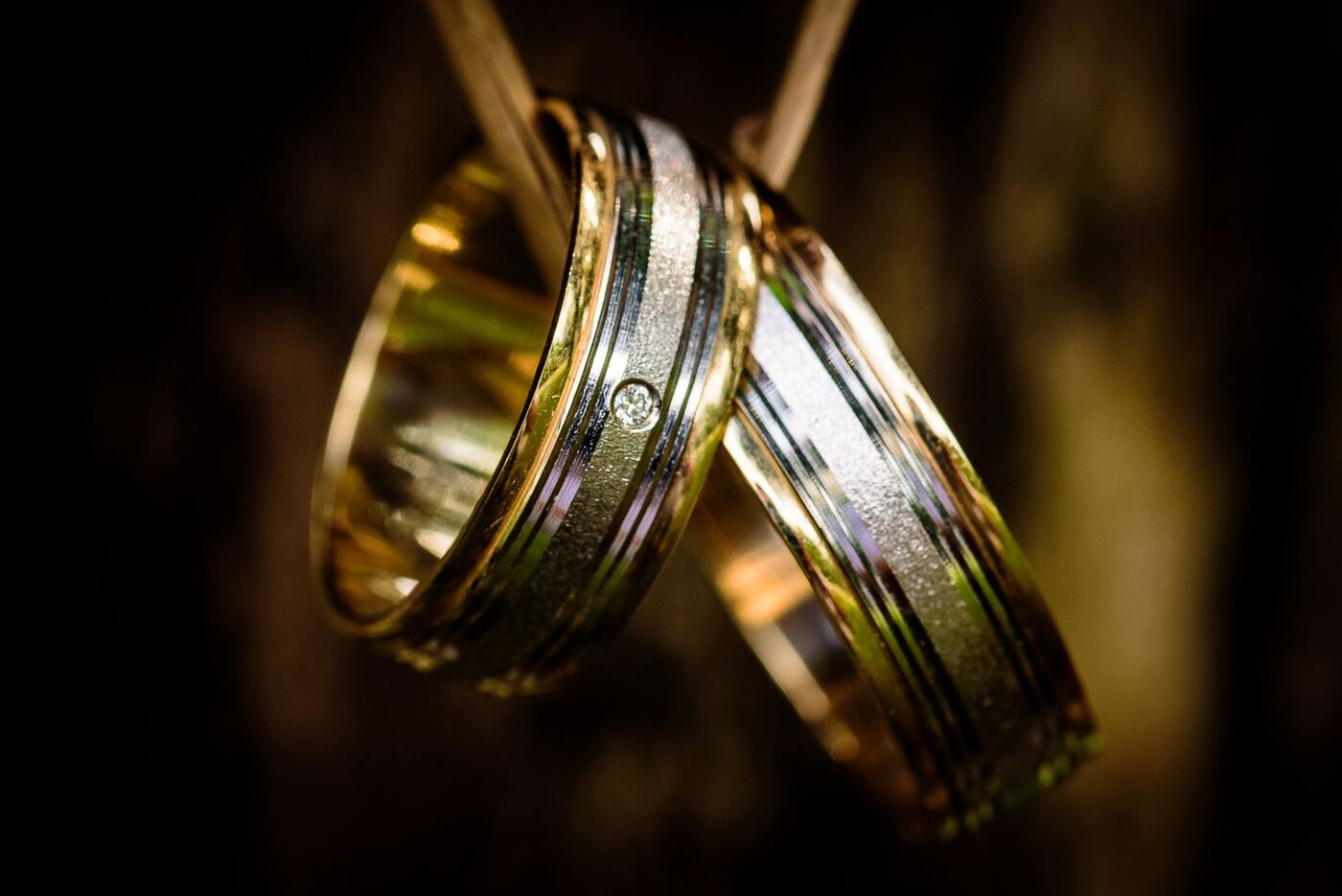
An engagement ring is a lovely custom, but it is a gift, not a Jewish requirement. The ring that matters in Jewish law is the one the groom gives the bride under the chuppah. Traditionally that wedding ring is a plain band, owned by the groom, without stones, so its value is clear and simple. Many couples choose a separate engagement ring with stones and a plain band for the ceremony.
The time between engagement and wedding
In Chabad, engagements are usually short, often a few months. There is wisdom in this: once a couple is ready to commit, there is no reason to wait, and a long engagement can bring needless stress. Every couple's situation is different, though, and the Rabbi is glad to help you think it through.
Use the time well:
- Set a date with care. See Choosing a Wedding Date.
- Learn. Begin kallah classes and chosson classes a few months before the wedding.
- Ask for blessings. Many couples ask parents and grandparents for a blessing, and many write to the Rebbe or visit his resting place to pray for a blessing.
- Keep it meaningful. Use this time to get to know each other's values and dreams, and to prepare for the home you will build together.
- Plan the home, not just the party. Talk about Shabbat, kosher, and the kind of Jewish home you want to build.
In Lamorinda: Newly engaged in Lafayette, Moraga, Orinda or the East Bay? Mazal tov! Rabbi Yisroel and Rebbetzin Tzipora Labkowski are glad to help you plan, 925-384-7242.
Common questions
Do we need a rabbi involved at the engagement?
Not for the engagement itself, but it helps to talk to the Rabbi early, especially before setting a date and booking a hall.
Is it bad luck to announce an engagement before a l'chaim?
There is no such rule. Families share the news in their own way. Some keep it quiet until the close family has heard, simply out of courtesy.
Should the wedding ring have diamonds?
Traditionally the ring used under the chuppah is a plain band without stones. An engagement ring can be anything you like.
Can the Rabbi officiate at our wedding?
Call Rabbi Labkowski at 925-384-7242 to talk about your wedding and how he can help.
Step by step · Part 3 of 21
Love and marriage, step by step
NextTenaim: The Engagement Agreement and the Broken PlateWhat are tenaim? The Jewish engagement agreement, the handkerchief kinyan and why the mothers break a plate. Ask Rabbi Labkowski in Lafayette.All 21 parts
- Jewish Dating: Finding Your Match the Jewish Way
- Bashert: Is There One Soulmate for Everyone?
- Jewish Engagement: The L'chaim, Tenaim and the Months Before the Wedding
- Tenaim: The Engagement Agreement and the Broken Plate
- A Jewish Wedding in Lafayette, Moraga or Orinda: Rabbi, Chuppah and Planning
- Choosing a Wedding Date: Jewish Calendar Guidelines
- Kallah Classes: Preparing for Marriage as a Jewish Bride
- Chosson Classes: Preparing for Marriage as a Jewish Groom
- What Is an Aufruf? The Groom's Torah Honor Before the Wedding
- Ketubah and Wedding Ring: The Jewish Marriage Contract Explained
- Fasting on Your Wedding Day: Why Bride and Groom Fast and How It Ends
- The Jewish Wedding: Traditions and Ceremony Explained Step by Step
- What Is a Chuppah? The Wedding Canopy and Its Meaning
- Jewish Wedding Customs and Traditions Explained
- Yichud: The Couple's First Minutes Alone After the Chuppah
- Attending a Jewish Wedding: A Guest's Guide
- Sheva Brachot: The Seven Wedding Blessings Explained
- The First Year of Marriage: Shana Rishona in Jewish Tradition
- Jewish Wedding Anniversary: Ways to Celebrate on Your Hebrew Date
- Shalom Bayit: Peace in the Jewish Home
- Marrying Again: A Jewish Guide to a Second Marriage
Talk privately with the Rabbi or the Rebbetzin
We help with every kind of dispute and family matter, with great success. Come early, before things spiral; and it is never too late. With the Torah's way and a positive outlook, there is a way forward from any situation. Reach out privately; no membership needed.
Read next
 Jewish Dating: Finding Your Match the Jewish WayHow Jewish tradition approaches dating and finding a spouse, from shidduchim to what to look for, with practical guidance for singles today.Read next →