
Learn › Life cycle › Married life
Marrying Again: A Jewish Guide to a Second Marriage
Jewish second marriage: widows, widowers and the divorced, the get, the ketubah, the ceremony and honoring a late spouse. Ask the Rabbi in Lafayette.
Part 21 of 21 · Love and marriage, step by step
On this page · 2 min read
Judaism wants you to have a full lifeIf your first marriage ended in divorceIf you are widowedHow the ceremony differsChildren, family and feelingsPlanning the weddingJudaism encourages remarriage. A widow, widower or divorced person is free to marry again, as long as Jewish law's requirements are met, and a get (a Jewish divorce document) must precede a second marriage if the first ended in divorce. The ceremony is joyful and simpler than a first wedding.
This guide gives a general overview of remarriage in Jewish tradition. Since each case differs, please ask the Rabbi.
Judaism wants you to have a full life
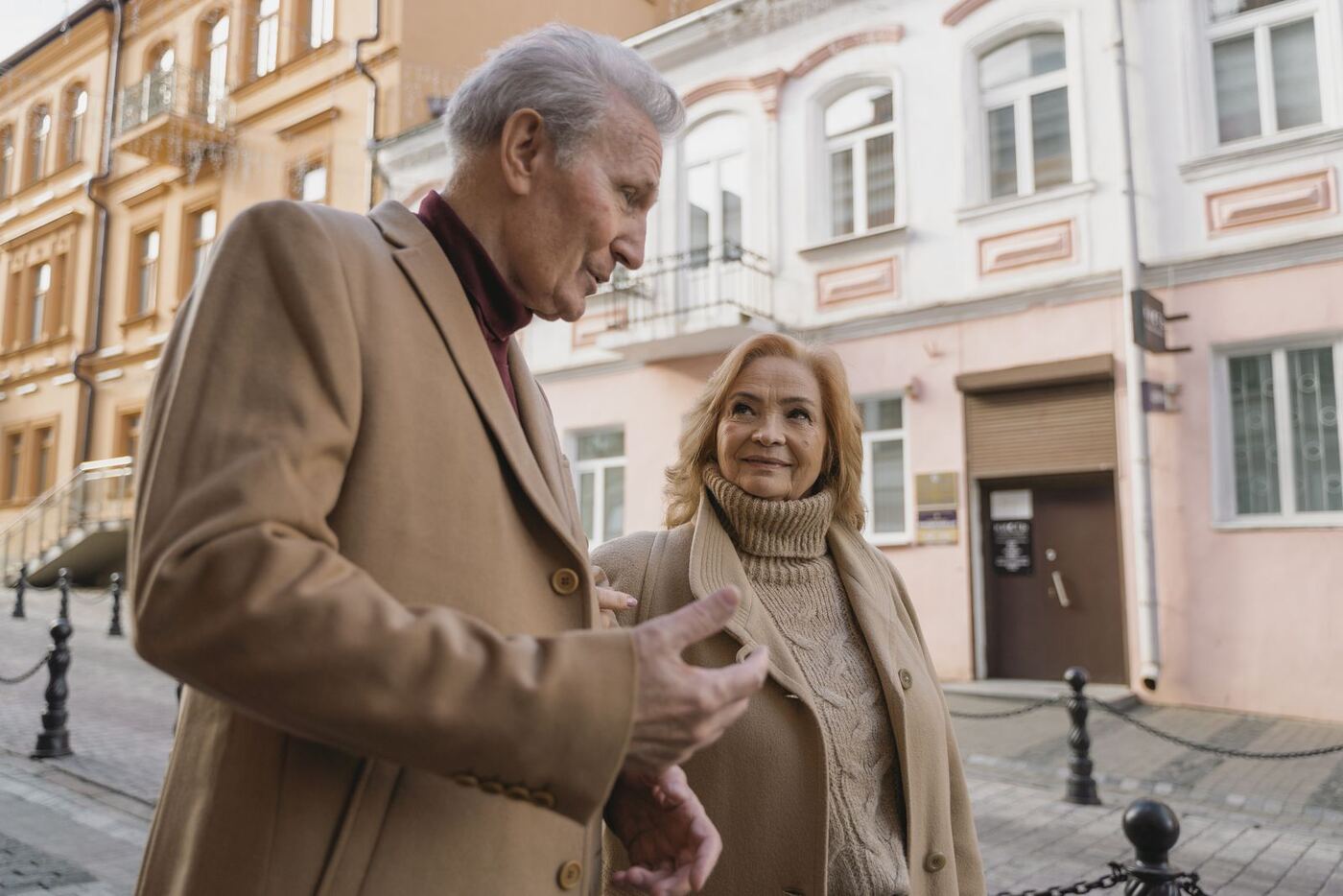
Judaism seeks to encourage those who are alone to seek meaningful and richer lives. A new marriage does not betray a late spouse, and the Torah says "it is not good for man to be alone" (Genesis 2:18). For many seniors in Lafayette, Moraga and Orinda, a second chapter brings companionship and joy.
If your first marriage ended in divorce
A Jewish divorce, a get, is required before a new Jewish marriage. A civil divorce is not enough under Jewish law. If you have not received a get, speak with the Rabbi first, before making any plans. The consequences of skipping it are serious, and the Rabbi will help gently and privately.
If you are widowed
A widow or widower may marry again after mourning. Ask the Rabbi about the waiting period and about how it relates to the year of mourning and sheloshim. In the rare case of a childless widow with a husband's brother, there is a special ceremony called chalitzah, and the Rabbi can explain. Honoring a late spouse, with a yahrzeit candle and Kaddish, goes on (yahrzeit).
How the ceremony differs
How a second wedding differs:
- The ketubah wording changes; the word for "maiden" is replaced by the word for a widow or a divorcee, and the amounts are adjusted (ketubah).
- The seven blessings are said only under the chuppah and after the wedding meal, not through a week of festive meals as at a first wedding. If one of you has never been married, ask the Rabbi (sheva brachot).
- The badeken, the groom's veiling of the bride, is omitted. A veil may be placed over the bride's face before the chuppah, but not by the groom.
- Other details, including who attends the chuppah, are best decided with the Rabbi. By common custom, the couple's children join the reception rather than the chuppah.
Ask the Rabbi for precise guidance on your situation. See Jewish wedding customs.
Children, family and feelings
Adult children may feel grief, loyalty or worry. The couple should decide with intelligence and sensitivity whether children from earlier marriages take part. Go slowly, include them, speak plainly about the plans, and see blended families. Everyone is allowed to feel mixed emotions.
Planning the wedding
A second wedding can be small, warm and meaningful. See Jewish wedding in Lamorinda and Jewish weddings on a budget. Rabbi Labkowski can officiate and advise.
In Lamorinda: Thinking about marrying again? Call Rabbi Yisroel Labkowski at 925-384-7242 for a private conversation, and he can officiate.
Common questions
Does Judaism allow a second marriage?
Yes. Judaism encourages remarriage for widows, widowers and divorced people.
Do I need a get to remarry?
If your first marriage ended in divorce, yes. A Jewish divorce must precede remarriage; a civil divorce alone is not enough. Ask the Rabbi first.
Can a widow or widower remarry?
Yes, after the mourning period. Ask the Rabbi for the timing.
Is a second Jewish wedding different?
Somewhat. The ketubah wording differs, the sheva brachot are shorter, and some customs are optional.
Should children come to the wedding?
That is for the couple to decide with sensitivity, together with the Rabbi. By common custom, children join the reception rather than the chuppah. Include them as warmly as possible.
Who can officiate in Lafayette, Moraga or Orinda?
Call Rabbi Yisroel Labkowski at 925-384-7242.
Take the next step
- Call 925-384-7242 for a private conversation.
- Read Jewish divorce and blended families.
- Plan with Jewish wedding in Lamorinda.
Step by step · Part 21 of 21
Love and marriage, step by step
You have reached the end of this series.
All 21 parts
- Jewish Dating: Finding Your Match the Jewish Way
- Bashert: Is There One Soulmate for Everyone?
- Jewish Engagement: The L'chaim, Tenaim and the Months Before the Wedding
- Tenaim: The Engagement Agreement and the Broken Plate
- A Jewish Wedding in Lafayette, Moraga or Orinda: Rabbi, Chuppah and Planning
- Choosing a Wedding Date: Jewish Calendar Guidelines
- Kallah Classes: Preparing for Marriage as a Jewish Bride
- Chosson Classes: Preparing for Marriage as a Jewish Groom
- What Is an Aufruf? The Groom's Torah Honor Before the Wedding
- Ketubah and Wedding Ring: The Jewish Marriage Contract Explained
- Fasting on Your Wedding Day: Why Bride and Groom Fast and How It Ends
- The Jewish Wedding: Traditions and Ceremony Explained Step by Step
- What Is a Chuppah? The Wedding Canopy and Its Meaning
- Jewish Wedding Customs and Traditions Explained
- Yichud: The Couple's First Minutes Alone After the Chuppah
- Attending a Jewish Wedding: A Guest's Guide
- Sheva Brachot: The Seven Wedding Blessings Explained
- The First Year of Marriage: Shana Rishona in Jewish Tradition
- Jewish Wedding Anniversary: Ways to Celebrate on Your Hebrew Date
- Shalom Bayit: Peace in the Jewish Home
- Marrying Again: A Jewish Guide to a Second Marriage
Questions about this, or something on your mind? Message the Rabbi or the Rebbetzin privately, or call 925-384-7242. · Email
Read next
 A Jewish Wedding in Lafayette, Moraga or Orinda: Rabbi, Chuppah and PlanningPlanning a Jewish wedding near Lafayette, Moraga or Orinda? What you need: a rabbi, two witnesses, ketubah, ring and chuppah. Call Rabbi Labkowski.Read next →