
Learn › Jewish home › Marriage, in-laws and grandparents
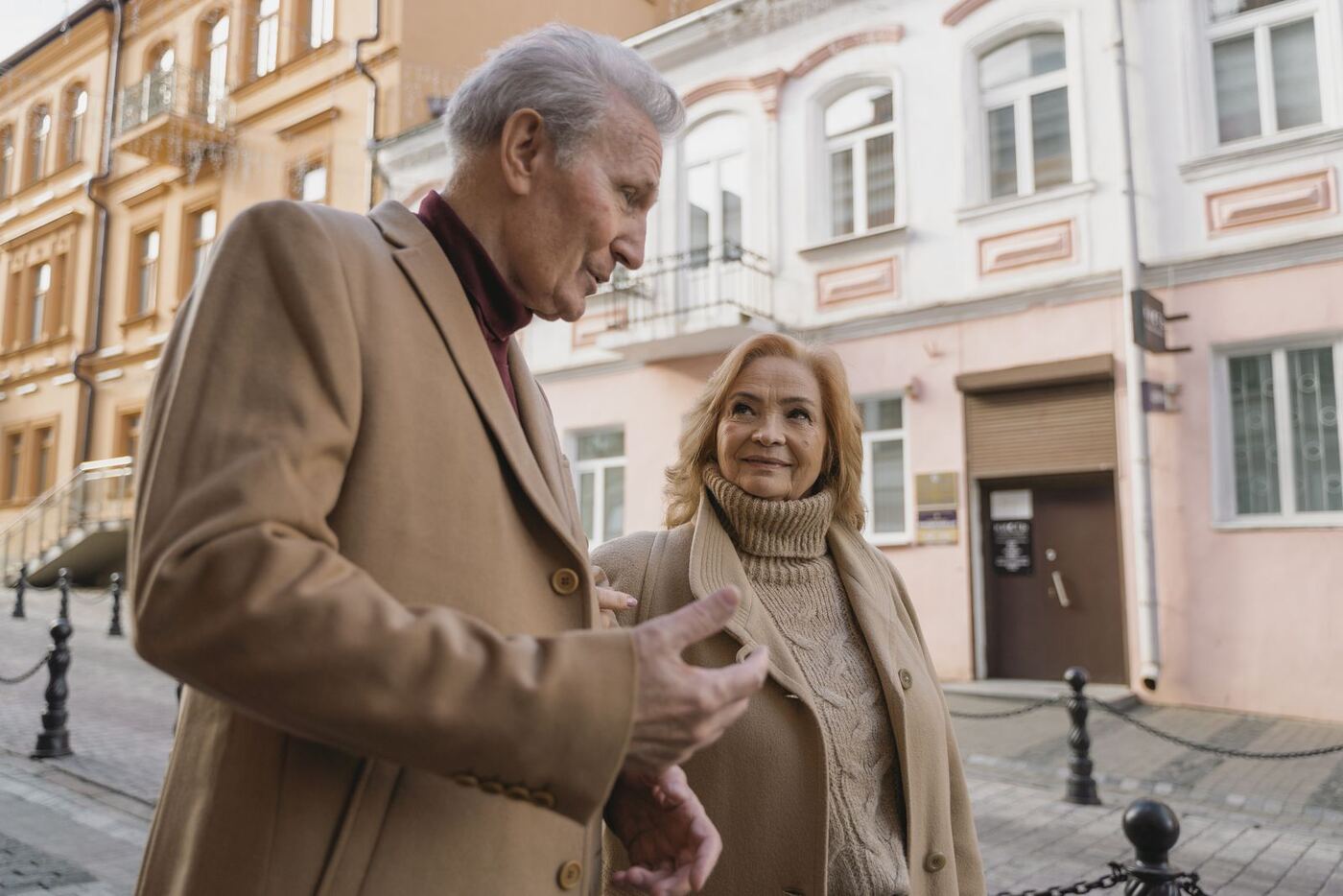
Shalom Bayit: Peace in the Jewish Home
What shalom bayit means, why Judaism treasures peace between husband and wife, and simple daily ways to build a calm, loving Jewish home.
Part 20 of 21 · Love and marriage, step by step
On this page · 2 min read
What shalom bayit meansWhy it matters so muchMitzvot that build a peaceful homePractical ways to bring peace homeShalom bayit means "peace in the home," and it describes the warm, respectful relationship between husband and wife that Judaism sees as the foundation of family life. It is not only a nice idea but a real Jewish value, built through daily choices of kindness, patience and respect.
What shalom bayit means
The Hebrew word shalom comes from shalem, "whole." A peaceful home is not one without disagreements. It is a home where two different people feel complete together, where each one is heard, and where children grow up feeling safe and loved.
Jewish tradition calls a home a mikdash me'at, a "small sanctuary." Just as G-d's presence rested in the Holy Temple, the Sages teach that when a husband and wife live in peace, the Divine Presence rests between them.
Why it matters so much
The Talmud teaches that G-d allowed His own holy Name to be erased in water in order to bring peace between husband and wife. If G-d sets aside His honor for shalom bayit, we can surely set aside our pride.
The Sages also praise Aaron, the brother of Moses, as one who "loved peace and pursued peace," often working quietly to reconcile couples. Pursuing peace is an active mitzvah, not just avoiding fights.
Mitzvot that build a peaceful home
Several mitzvot are connected directly to shalom bayit:
- Shabbat candles. The Sages explain that the Shabbat candles are lit so the home is bright and peaceful, without anyone stumbling in the dark.
- Shabbat itself. A weekly meal together, without screens and work, gives a family time to really talk.
- Family purity. The laws of mikvah bring a monthly rhythm of renewal to a marriage.
- Kind speech. Avoiding lashon hara, harsh words and criticism protects the home.
Practical ways to bring peace home
- Speak gently. The Talmud advises speaking softly at home, especially before Shabbat when everyone is rushed.
- Say thank you. Notice what your spouse does and say so out loud.
- Honor your spouse. The Rambam writes that a husband should honor his wife more than himself, and a wife should honor her husband greatly.
- Choose your battles. Ask: will this matter in a week? Often it is better to be kind than to be right.
- Pray for your family. Many add a personal request for shalom bayit when lighting candles or during prayer.
- Get help early. Small problems are easier to solve than big ones.
In Lamorinda: For a confidential conversation with Rabbi or Rebbetzin Labkowski, visit jewishlamorinda.com/help/shalom-bayit or call 925-384-7242.
Common questions
Does shalom bayit mean I should keep quiet about real problems?
No. Shalom bayit is never a reason to accept abuse or to stay silent about danger. Peace is built on honesty and safety. If you are in a hard situation, reach out for confidential help at Marriage and Family Difficulties: Talk to the Rabbi in Confidence.
Can a rabbi help with marriage struggles?
Yes. Rabbis and rebbetzins often listen, offer Jewish perspective and guidance, and refer to professional counselors when needed. Everything is kept confidential.
Is shalom bayit only about husband and wife?
The term usually refers to the marriage, but the same values extend to parents and children, siblings and everyone under one roof. See our guide to honoring parents.
What is one simple thing I can start today?
Light Shabbat candles this Friday and add a quiet prayer for peace in your home. Many people find this small step changes the feeling of the whole week.
Step by step · Part 20 of 21
Love and marriage, step by step
NextMarrying Again: A Jewish Guide to a Second MarriageJewish second marriage: widows, widowers and the divorced, the get, the ketubah, the ceremony and honoring a late spouse. Ask the Rabbi in Lafayette.All 21 parts
- Jewish Dating: Finding Your Match the Jewish Way
- Bashert: Is There One Soulmate for Everyone?
- Jewish Engagement: The L'chaim, Tenaim and the Months Before the Wedding
- Tenaim: The Engagement Agreement and the Broken Plate
- A Jewish Wedding in Lafayette, Moraga or Orinda: Rabbi, Chuppah and Planning
- Choosing a Wedding Date: Jewish Calendar Guidelines
- Kallah Classes: Preparing for Marriage as a Jewish Bride
- Chosson Classes: Preparing for Marriage as a Jewish Groom
- What Is an Aufruf? The Groom's Torah Honor Before the Wedding
- Ketubah and Wedding Ring: The Jewish Marriage Contract Explained
- Fasting on Your Wedding Day: Why Bride and Groom Fast and How It Ends
- The Jewish Wedding: Traditions and Ceremony Explained Step by Step
- What Is a Chuppah? The Wedding Canopy and Its Meaning
- Jewish Wedding Customs and Traditions Explained
- Yichud: The Couple's First Minutes Alone After the Chuppah
- Attending a Jewish Wedding: A Guest's Guide
- Sheva Brachot: The Seven Wedding Blessings Explained
- The First Year of Marriage: Shana Rishona in Jewish Tradition
- Jewish Wedding Anniversary: Ways to Celebrate on Your Hebrew Date
- Shalom Bayit: Peace in the Jewish Home
- Marrying Again: A Jewish Guide to a Second Marriage
Talk privately with the Rabbi or the Rebbetzin
We help with every kind of dispute and family matter, with great success. Come early, before things spiral; and it is never too late. With the Torah's way and a positive outlook, there is a way forward from any situation. Reach out privately; no membership needed.
Read next
 The Jewish Wedding: Traditions and Ceremony Explained Step by StepA step-by-step guide to the Jewish wedding: the ketubah, chuppah, ring, seven blessings, breaking the glass, and what they mean.Read next →