
Learn › Life cycle › Dating and engagement
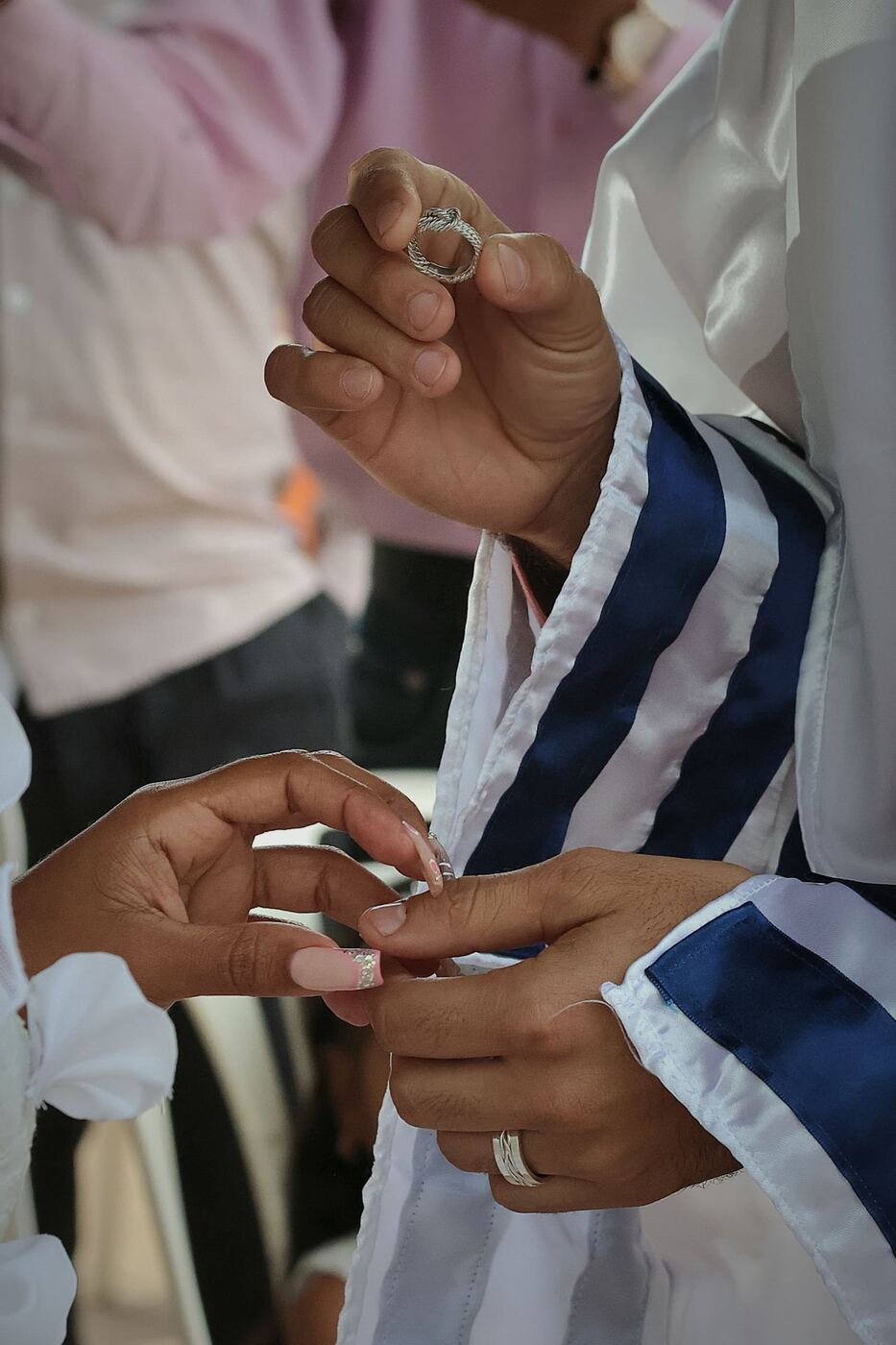
Chosson Classes: Preparing for Marriage as a Jewish Groom
What a Jewish groom learns before his wedding: family purity, shalom bayit, the wedding day and the tallit, and how to arrange chosson classes.
Part 8 of 21 · Love and marriage, step by step
On this page · 2 min read
What a chosson learnsWhen to startHow the classes workSome customs before the weddingA chosson is a groom. Just as a bride learns with a teacher before her wedding, a Jewish groom traditionally meets privately with a rabbi for chosson classes. They prepare him for the wedding day and, more importantly, for being a loving and responsible Jewish husband.
What a chosson learns
- Family purity from his side. The laws of taharat hamishpacha belong to both husband and wife. A groom learns what the times of separation mean for him, how to be supportive, and why this monthly rhythm brings renewal to a marriage.
- Shalom bayit. How Judaism sees marriage: the Rambam writes that a husband should honor his wife more than himself. Classes talk about respect, listening, kind speech and handling disagreements. See Shalom Bayit.
- The wedding day. The meaning of the customs: the fast, the prayers, the veiling of the bride, the ketubah, the ring, the chuppah and the breaking of the glass. See The Jewish Wedding.
- Mitzvot of a Jewish husband. In many communities, including Chabad, a man begins wearing a tallit at morning prayers once he is married. A groom who does not yet put on tefillin every weekday is encouraged to begin; the Rabbi is glad to show you how.
- A Jewish home. Mezuzahs, Shabbat, kosher, and the groom's part in making the home a place of warmth and Torah.
When to start
A few months before the wedding is ideal, so there is time to learn calmly and ask questions. If the wedding is sooner, call anyway; classes can be arranged to fit.
How the classes work
Chosson classes are private, usually one-on-one with the Rabbi, and arranged at times that suit the groom. Everything is confidential, and no question is too basic. No background is needed; many grooms come knowing very little, and that is fine.
Some customs before the wedding
- An aliyah to the Torah on the Shabbat before the wedding, celebrating the groom.
- The wedding-day fast. Bride and groom traditionally fast until the ceremony and add the confession prayers of Yom Kippur at the afternoon prayer, because the wedding day is like a personal Yom Kippur, a fresh start.
- The kittel. In Chabad, the groom wears a kittel, a simple white robe, under the chuppah. Other communities have different customs; ask the Rabbi.
In Lamorinda: Grooms in Lafayette, Moraga, Orinda and the East Bay: Rabbi Yisroel Labkowski is glad to teach or arrange chosson classes privately, 925-384-7242.
Common questions
Do grooms really need classes too?
Yes. A marriage is built by two people, and the laws of family purity and shalom bayit are for both. Grooms who learn before the wedding often say it made them more patient, aware and supportive husbands.
I have never put on tefillin. Is it too late?
Never. Many men start before their wedding. The Rabbi is glad to help you get started and to help you get a pair of kosher tefillin.
What if we are having a small or simple wedding?
The classes are about the marriage, not the size of the wedding. Every groom is welcome.
Who teaches chosson classes in Lamorinda?
Rabbi Yisroel Labkowski is glad to teach or arrange chosson classes privately for grooms in Lafayette, Moraga, Orinda and the East Bay. Call 925-384-7242.
Step by step · Part 8 of 21
Love and marriage, step by step
NextWhat Is an Aufruf? The Groom's Torah Honor Before the WeddingAn aufruf is when the groom is called to the Torah on the Shabbat before his wedding. Learn the meaning, the candy and Kiddush, and what to expect.All 21 parts
- Jewish Dating: Finding Your Match the Jewish Way
- Bashert: Is There One Soulmate for Everyone?
- Jewish Engagement: The L'chaim, Tenaim and the Months Before the Wedding
- Tenaim: The Engagement Agreement and the Broken Plate
- A Jewish Wedding in Lafayette, Moraga or Orinda: Rabbi, Chuppah and Planning
- Choosing a Wedding Date: Jewish Calendar Guidelines
- Kallah Classes: Preparing for Marriage as a Jewish Bride
- Chosson Classes: Preparing for Marriage as a Jewish Groom
- What Is an Aufruf? The Groom's Torah Honor Before the Wedding
- Ketubah and Wedding Ring: The Jewish Marriage Contract Explained
- Fasting on Your Wedding Day: Why Bride and Groom Fast and How It Ends
- The Jewish Wedding: Traditions and Ceremony Explained Step by Step
- What Is a Chuppah? The Wedding Canopy and Its Meaning
- Jewish Wedding Customs and Traditions Explained
- Yichud: The Couple's First Minutes Alone After the Chuppah
- Attending a Jewish Wedding: A Guest's Guide
- Sheva Brachot: The Seven Wedding Blessings Explained
- The First Year of Marriage: Shana Rishona in Jewish Tradition
- Jewish Wedding Anniversary: Ways to Celebrate on Your Hebrew Date
- Shalom Bayit: Peace in the Jewish Home
- Marrying Again: A Jewish Guide to a Second Marriage
Talk privately with the Rabbi or the Rebbetzin
We help with every kind of dispute and family matter, with great success. Come early, before things spiral; and it is never too late. With the Torah's way and a positive outlook, there is a way forward from any situation. Reach out privately; no membership needed.
Read next
 The Jewish Wedding: Traditions and Ceremony Explained Step by StepA step-by-step guide to the Jewish wedding: the ketubah, chuppah, ring, seven blessings, breaking the glass, and what they mean.Read next →