
Learn › Life cycle › Married life
Mikvah: What It Is and Why Jewish Women Immerse
A gentle guide to the mikvah, the Jewish ritual bath: its meaning, family purity, preparation, and who uses it and when.
On this page · 2 min read
What is a mikvah?The meaning of immersionFamily purityOther uses of the mikvahPreparing for immersionThe mikvah for women in LamorindaA mikvah is a pool of natural water used for ritual immersion in Jewish life. Its most central use is by married Jewish women, who immerse monthly as part of the laws of family purity (taharat hamishpachah), a practice that has sustained Jewish marriages for thousands of years.
What is a mikvah?
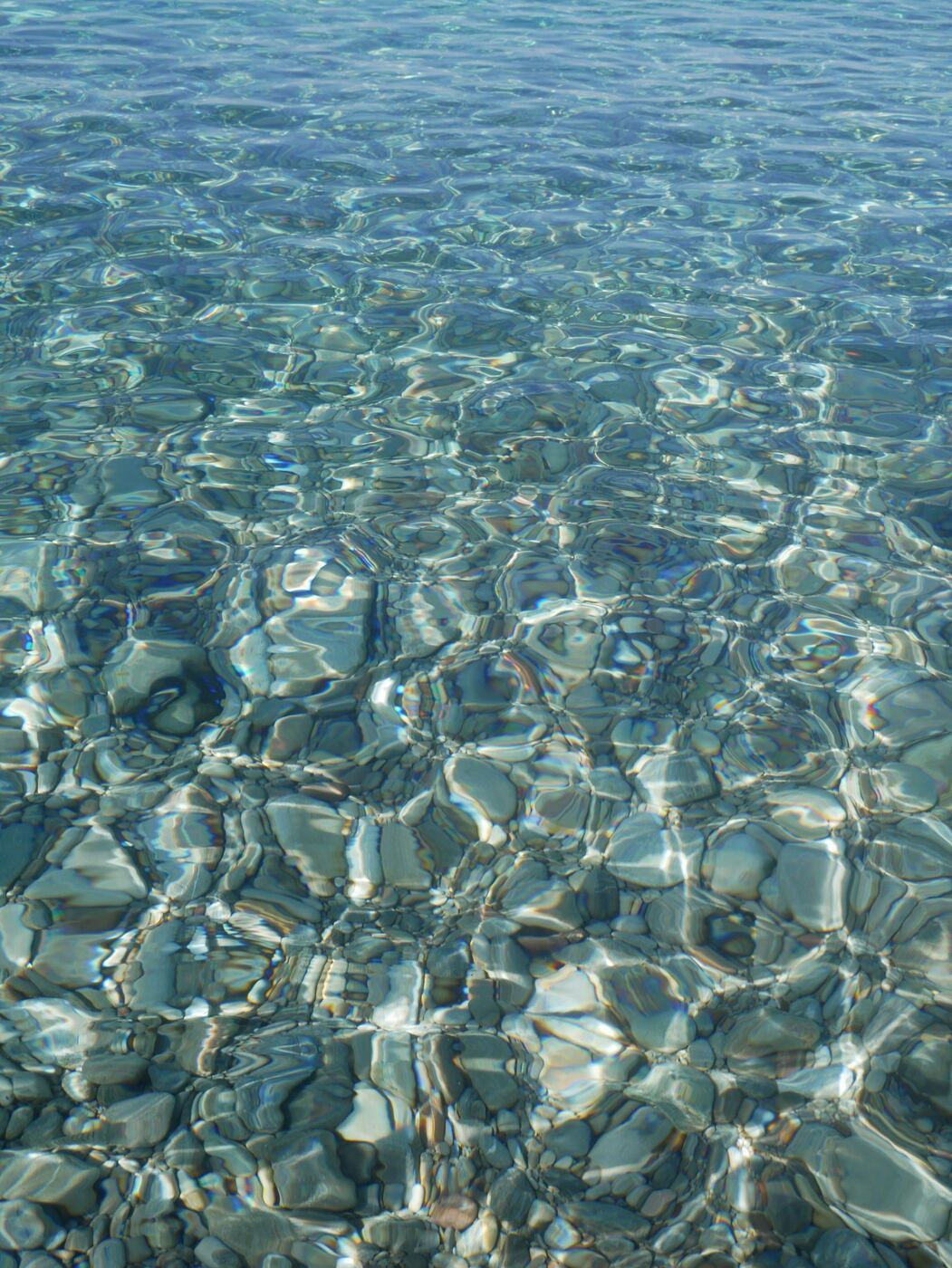
The word mikvah means "a gathering," as in a gathering of water. A kosher mikvah must contain a certain amount of natural water, such as rainwater or spring water, built according to detailed laws. Today most mikvahs are beautiful, private, spa-like spaces with an attendant who helps ensure the immersion is done properly.
Building a mikvah is so important in Jewish law that a community is told to build one even before a synagogue.
The meaning of immersion
Immersion in a mikvah is not about physical cleanliness. Women bathe carefully before immersing. Instead, it is a spiritual renewal. Water in Jewish thought represents life, the womb, and a fresh beginning. Emerging from the mikvah is like being reborn.
Family purity
The laws of family purity guide a married couple's intimate life:
- During a woman's menstrual period and for seven "clean" days afterward, husband and wife refrain from physical intimacy.
- At the end of this time, the woman immerses in a mikvah.
- The couple then reunites.
Many couples describe this monthly rhythm as a source of renewal, communication and closeness. Couples often find that the time apart deepens their emotional bond and that reuniting feels like a honeymoon.
The details of these laws are personal and specific. They are best learned privately with a qualified teacher. Ask the Rabbi or Rebbetzin for guidance.
Other uses of the mikvah
- Brides immerse before their wedding.
- Conversion to Judaism includes immersion in a mikvah.
- Men have a custom to immerse before Yom Kippur, and many Chassidic men immerse before Shabbat or prayer.
- Dishes: new metal and glass dishes made by non-Jews are immersed in a special mikvah before use. See our kosher kitchen guide.
Preparing for immersion
Preparation typically includes:
- A thorough bath or shower.
- Removing jewelry, makeup, contact lenses and anything else that could come between the body and the water.
- Trimming nails and combing hair.
The attendant checks that nothing is in the way, then the woman immerses fully and recites a blessing.
The mikvah for women in Lamorinda
Women in Lafayette, Moraga and Orinda generally use the Chabad mikvah in Berkeley. To arrange your visit, or for any question, contact Rebbetzin Tzipora Labkowski privately at 925-384-7241. She will gladly help you prepare and make everything easy.
In Lamorinda: For private, caring guidance on mikvah, reach out to Rebbetzin Tzipora Labkowski at 925-384-7241. Every conversation is confidential.
Common questions
Is the mikvah private?
Yes. Modesty and privacy are central to mikvah. Women typically go discreetly, often after nightfall, and the attendant is there only to help.
I have never been to a mikvah. Is it too late to start?
Never. A woman who has been married for years can begin at any time, and many describe the first visit as deeply moving. We would be glad to guide you gently.
Do unmarried women go to the mikvah?
The monthly immersion is for married women. A bride first immerses shortly before her wedding.
Where is the nearest mikvah?
Please contact us and we will help you find a mikvah and arrange a time, privately and respectfully.
Talk privately with the Rabbi or the Rebbetzin
We help with every kind of dispute and family matter, with great success. Come early, before things spiral; and it is never too late. With the Torah's way and a positive outlook, there is a way forward from any situation. Reach out privately; no membership needed.
Read next
 The Jewish Wedding: Traditions and Ceremony Explained Step by StepA step-by-step guide to the Jewish wedding: the ketubah, chuppah, ring, seven blessings, breaking the glass, and what they mean.Read next →