
Learn › Prayer & Torah › The daily prayers and the Shema
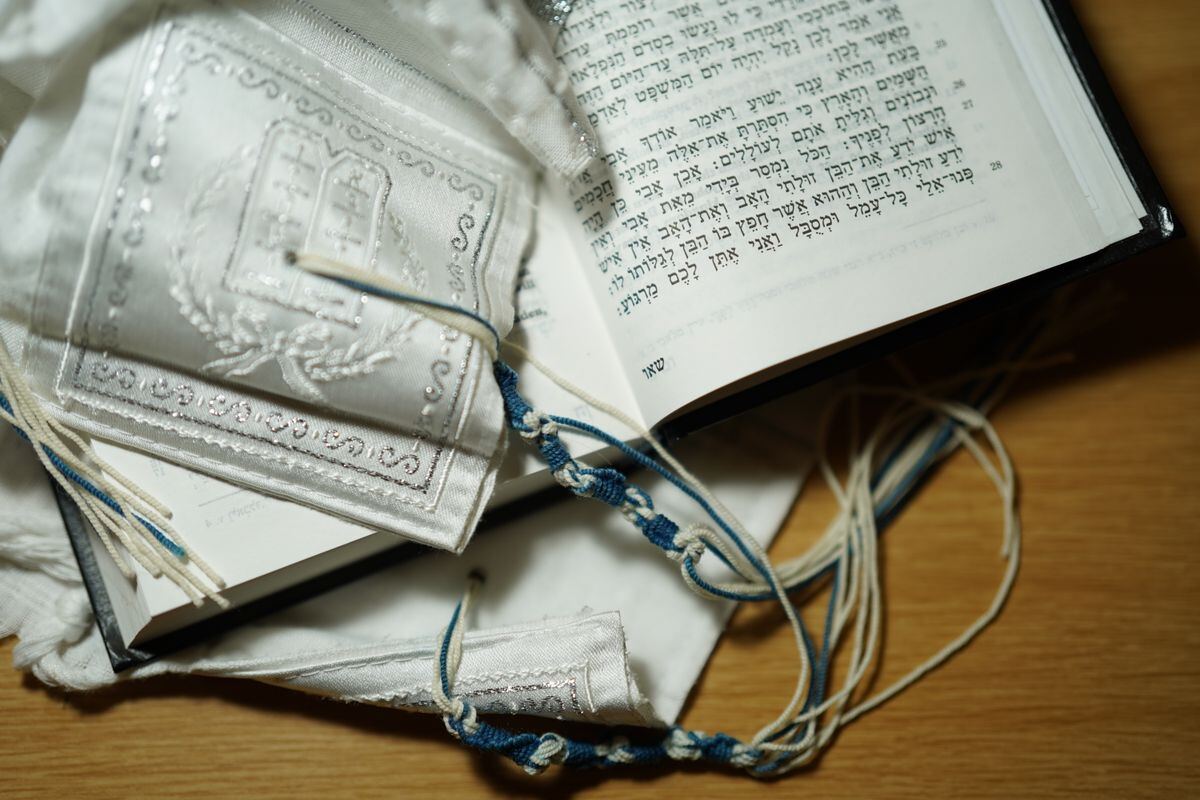
Daily Prayers: Shacharit, Mincha and Maariv Made Simple
The three daily Jewish prayers: when to say them, what is in each, praying alone or with a minyan, short versions for beginners, and women's prayer.
Part 18 of 27 · Learning to pray
On this page · 2 min read
Shacharit: the morning prayerMincha: the afternoon prayerMaariv: the evening prayerAlone or with a minyan?Starting smallWomen and daily prayerJews pray three times a day: in the morning, the afternoon and the evening. Our Sages teach that Abraham, Isaac and Jacob each began one of these prayers, and they also correspond to the daily offerings in the Holy Temple. Prayer is a daily conversation with G-d, a few minutes to stop, give thanks and ask for what we need.
Shacharit: the morning prayer
When: in the morning, ideally in the first part of the day. The exact times change with the seasons; ask the Rabbi for today's times.
What's in it:
- Morning blessings, thanking G-d for the new day.
- Pesukei d'Zimra, psalms of praise, including Ashrei.
- The Shema with its blessings.
- The Amidah, the silent standing prayer, the heart of every service.
- Closing prayers, including Aleinu.
On Mondays and Thursdays the Torah is read. Men wear tallit and tefillin for weekday Shacharit.
Mincha: the afternoon prayer
When: in the afternoon, until sunset.
What's in it: Ashrei, the Amidah and Aleinu. It is the shortest of the three. Our Sages say Mincha is especially precious, because it means stopping in the middle of a busy day to remember G-d.
Maariv: the evening prayer
When: after nightfall, and it may be said until late at night.
What's in it: the Shema with its blessings, the Amidah and Aleinu. Before sleep, there is also the bedtime Shema.
Alone or with a minyan?
You can pray anywhere: at home, at work, on a hike. Praying with a minyan, ten Jewish men over 13, is especially valuable. Certain parts are said only with a minyan: Kaddish, Barchu, Kedushah and the Torah reading. If you pray alone, try to do so at the same time the community prays.
Starting small
You do not have to say everything at once. A good beginner's prayer:
- Modeh Ani on waking.
- The morning blessings.
- The first paragraph of the Shema.
- A short personal request in your own words, in any language.
Add a little at a time. A few words said with heart are worth more than many said in a rush. A siddur with English translation and transliteration helps.
Women and daily prayer
Women are obligated to pray every day. In the Chabad view, based on the Alter Rebbe's Shulchan Aruch, women say Shacharit and Mincha, centered on the Amidah; Maariv is optional for women. Many women also say the morning blessings and the Shema. A busy mother with small children can ask the Rabbi or Rebbetzin what is right for her.
In Lamorinda: Want to learn to pray, or borrow a siddur? Families in Lafayette, Moraga, Orinda and the East Bay: call Rabbi Yisroel Labkowski, 925-384-7242.
Common questions
What if I don't read Hebrew?
You may pray in any language you understand. A siddur with translation and transliteration lets you follow along, and reading Hebrew can come in time. See Hebrew reading for adults.
How long does each prayer take?
A full weekday Shacharit with a minyan takes 30 to 45 minutes; Mincha and Maariv take about 10 to 15 minutes each. A beginner's version can take five minutes.
What if I missed a prayer?
In some cases there is a way to make it up in the next prayer. Ask the Rabbi.
Do I need to face a certain direction?
Yes, Jews face toward Jerusalem when praying. In America that is generally toward the east. If you are not sure which way to face, simply pray with your heart directed to Jerusalem.
Step by step · Part 18 of 27
Learning to pray
NextMincha and Maariv: The Afternoon and Evening PrayersWhat Mincha and Maariv are, when to say them, how short they can be, praying alone or with a minyan, and an easy way to begin.All 27 parts
- Jewish Prayer: How and When Jews Pray, a Beginner's Guide
- Modeh Ani: The Jewish Morning Prayer of Thanks
- Mah Tovu: Meaning of "How Goodly Are Your Tents" and the Prayer That Opens the Day
- Adon Olam: Meaning, Author and Why We Sing It Before Prayer
- The Morning Blessings: Starting the Day With Thanks
- The Morning Service (Shacharit): A First-Timer's Guide
- Ashrei (Psalm 145): Why We Say It Three Times a Day
- Barchu: The Call to Prayer and the Blessings Before the Shema
- The Shema Prayer: Meaning, Words and When to Say It
- The Amidah: The Central Jewish Prayer Explained
- Kedushah: Standing With the Angels in Prayer, Meaning and Responses
- What Is Tachanun? Why Jews Put Their Head Down in Prayer
- What Is Hallel? Full vs. Half Hallel on Holidays and Rosh Chodesh
- What Is Musaf? The Additional Prayer of Shabbat, Holidays and Rosh Chodesh
- Aleinu: The Closing Prayer, Its Meaning and Why We Bow
- The Siddur: A Guide to the Jewish Prayer Book
- How to Follow the Service: Finding Your Place in the Siddur
- Daily Prayers: Shacharit, Mincha and Maariv Made Simple
- Mincha and Maariv: The Afternoon and Evening Prayers
- Minyan: Why Jewish Prayer Needs Ten
- Leading the Prayers: Being a Chazzan for the First Time
- Talking to G-d in Your Own Words
- Praying for Others: For the Sick, for Family and for the World
- Why Pray If G-d Already Knows What We Need?
- How to Focus When You Pray: Kavanah and a Wandering Mind
- Can I Pray in English? Hebrew, Understanding and Heartfelt Prayer
- The Bedtime Shema: Jewish Prayers Before Sleep
Questions about this, or something on your mind? Message the Rabbi or the Rebbetzin privately, or call 925-384-7242. · Email
Read next
 Jewish Prayer: How and When Jews Pray, a Beginner's GuideA beginner's guide to Jewish prayer: the three daily services, the siddur, praying with a minyan, praying in any language, and how to start.Read next →