
Learn › Prayer & Torah › The daily prayers and the Shema
The Bedtime Shema: Jewish Prayers Before Sleep
What the Bedtime Shema is, why we say it, the key parts including the Hamapil blessing, and a simple version for children.
Part 27 of 27 · Learning to pray
On this page · 2 min read
Why we pray before sleepThe main partsThe Hamapil blessingA simple version for childrenThe Bedtime Shema, Kriat Shema al Hamitah, is a short set of prayers said before going to sleep. Its heart is the first paragraph of the Shema, along with forgiveness of others and a blessing asking G-d to let us rest in peace and wake up in the morning.
Why we pray before sleep
The Sages teach that sleep is a small taste of death. The soul rises up and the body rests. Before we let go, we entrust our soul to G-d, just as King David said, "Into Your hand I entrust my spirit" (Psalms 31:6). In the morning we thank G-d for returning it with Modeh Ani.
Bedtime is also a time to look back at the day and end it with a clean slate.
The main parts
The full Bedtime Shema in the siddur includes:
- Forgiving others. We begin by saying that we forgive anyone who hurt or angered us that day. It is a powerful way to let go before sleep.
- The Shema. "Hear O Israel, the L-rd is our G-d, the L-rd is One," followed by "Baruch shem" and the paragraph of V'ahavta.
- Psalms of protection, including Psalm 91, "He who dwells in the shelter of the Most High."
- The angels. "On my right is Michael, on my left Gabriel, before me Uriel, behind me Raphael, and above my head the Presence of G-d."
- The Hamapil blessing.
The Hamapil blessing
Hamapil is a blessing to G-d "who casts the bonds of sleep upon my eyes." It asks for peaceful rest, good dreams, and to wake up to life. It begins: "Baruch atah Ado-nai, Elo-heinu melech ha'olam, hamapil chevlei sheinah al einai..."
The custom is to say Hamapil last, right before falling asleep, and not to talk afterward. If you are not sure you will fall asleep soon, say it later, closer to sleep. Ask the Rabbi if you have questions.
A simple version for children
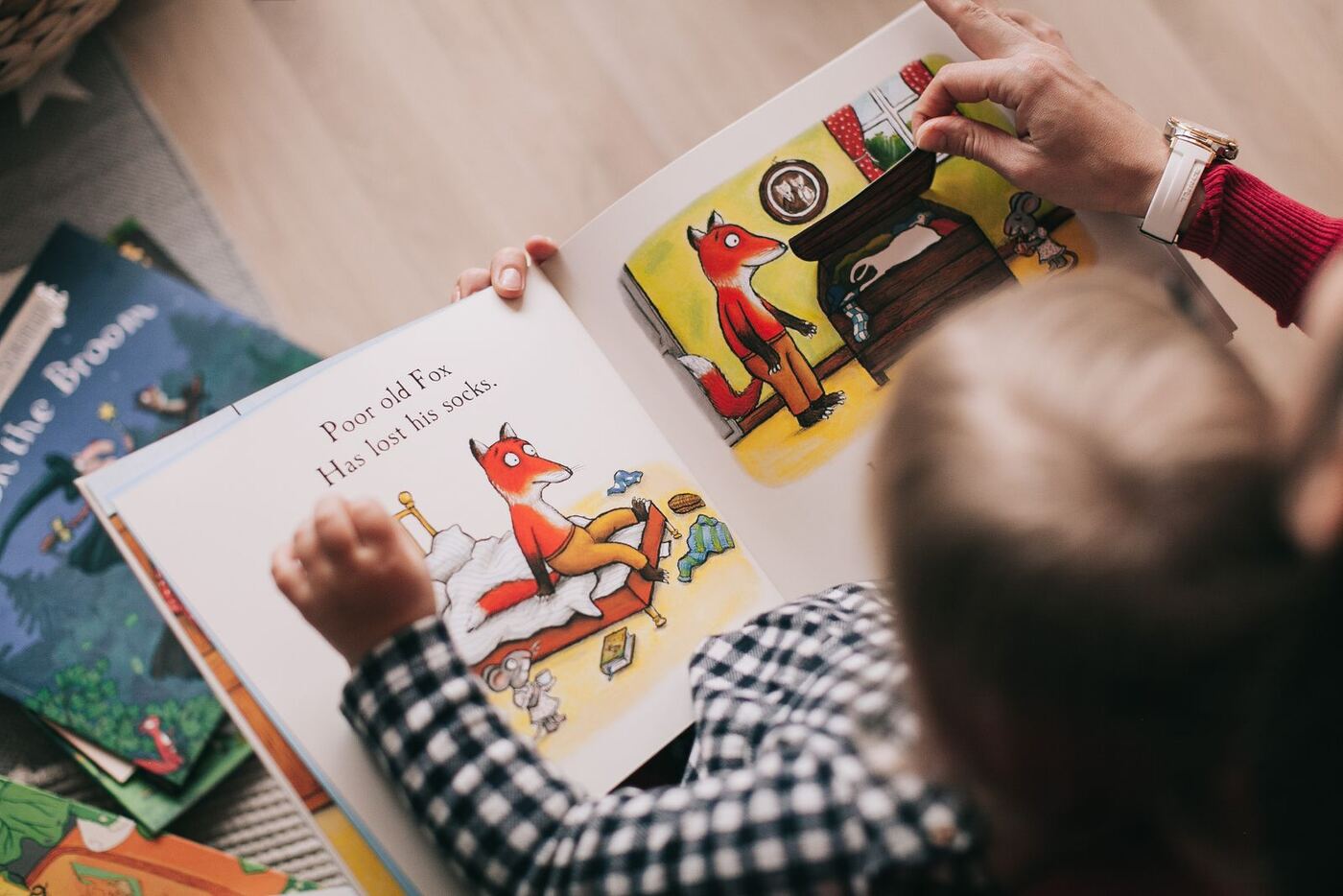
Many children love a short bedtime routine:
- Torah tziva lanu Moshe, "The Torah that Moses commanded us is the heritage of the congregation of Jacob."
- Shema Yisrael and Baruch shem, with a hand over the eyes.
- V'ahavta, if they know it.
- The angels, "Beyemini Michael..."
- Hamapil, or a parent's blessing.
It is a gentle way to end the day and builds a warm, lifelong habit. A mezuzah on the bedroom door and a small tzedakah box by the bed, a Chabad custom, add to the feeling of a Jewish child's room.
In Lamorinda: Want help teaching your children the Bedtime Shema? Call Rebbetzin Labkowski at 925-384-7241 or see jewishlamorinda.com/programs/hebrew-school.
Common questions
Do I have to say the whole thing?
No. If you are new to it, start with the Shema itself. Even the first line, said with feeling, is precious. Add more over time.
What if I fall asleep before finishing?
That is fine. Say what you can. Many people say the Shema while lying in bed, so they drift off with holy words.
Can I say the Bedtime Shema in English?
Yes. The Shema may be said in any language you understand. Many siddurim include translation and transliteration.
When should it be said?
Shortly before going to sleep at night. Some say it earlier with young children and again themselves later.
Step by step · Part 27 of 27
Learning to pray
You have reached the end of this series.
All 27 parts
- Jewish Prayer: How and When Jews Pray, a Beginner's Guide
- Modeh Ani: The Jewish Morning Prayer of Thanks
- Mah Tovu: Meaning of "How Goodly Are Your Tents" and the Prayer That Opens the Day
- Adon Olam: Meaning, Author and Why We Sing It Before Prayer
- The Morning Blessings: Starting the Day With Thanks
- The Morning Service (Shacharit): A First-Timer's Guide
- Ashrei (Psalm 145): Why We Say It Three Times a Day
- Barchu: The Call to Prayer and the Blessings Before the Shema
- The Shema Prayer: Meaning, Words and When to Say It
- The Amidah: The Central Jewish Prayer Explained
- Kedushah: Standing With the Angels in Prayer, Meaning and Responses
- What Is Tachanun? Why Jews Put Their Head Down in Prayer
- What Is Hallel? Full vs. Half Hallel on Holidays and Rosh Chodesh
- What Is Musaf? The Additional Prayer of Shabbat, Holidays and Rosh Chodesh
- Aleinu: The Closing Prayer, Its Meaning and Why We Bow
- The Siddur: A Guide to the Jewish Prayer Book
- How to Follow the Service: Finding Your Place in the Siddur
- Daily Prayers: Shacharit, Mincha and Maariv Made Simple
- Mincha and Maariv: The Afternoon and Evening Prayers
- Minyan: Why Jewish Prayer Needs Ten
- Leading the Prayers: Being a Chazzan for the First Time
- Talking to G-d in Your Own Words
- Praying for Others: For the Sick, for Family and for the World
- Why Pray If G-d Already Knows What We Need?
- How to Focus When You Pray: Kavanah and a Wandering Mind
- Can I Pray in English? Hebrew, Understanding and Heartfelt Prayer
- The Bedtime Shema: Jewish Prayers Before Sleep
Questions about this, or something on your mind? Message the Rabbi or the Rebbetzin privately, or call 925-384-7242. · Email
Read next
 The Shema Prayer: Meaning, Words and When to Say ItThe Shema Yisrael prayer in Hebrew, transliteration and English, what it means, when to say it, and how to say the bedtime Shema.Read next →