
Learn › Prayer & Torah › The synagogue and its services
How to Follow the Service: Finding Your Place in the Siddur
Lost in the prayer book? Learn how to follow along in synagogue, find the right page, spot the landmarks of the service and pray at your own pace.
Part 17 of 27 · Learning to pray
On this page · 3 min read
What a siddur is and why it feels bigStep by step: how to follow alongLandmarks you can listen forTips for when you feel lostTo follow along in synagogue, listen for the page number (it is often announced or posted), look for the landmark prayers that everyone recognizes, and keep your finger on the line when the congregation moves. If you lose your place, quietly ask a neighbor, "What page are we on?" People are glad to help, and it is completely fine to read slowly or to skip ahead.
What a siddur is and why it feels big
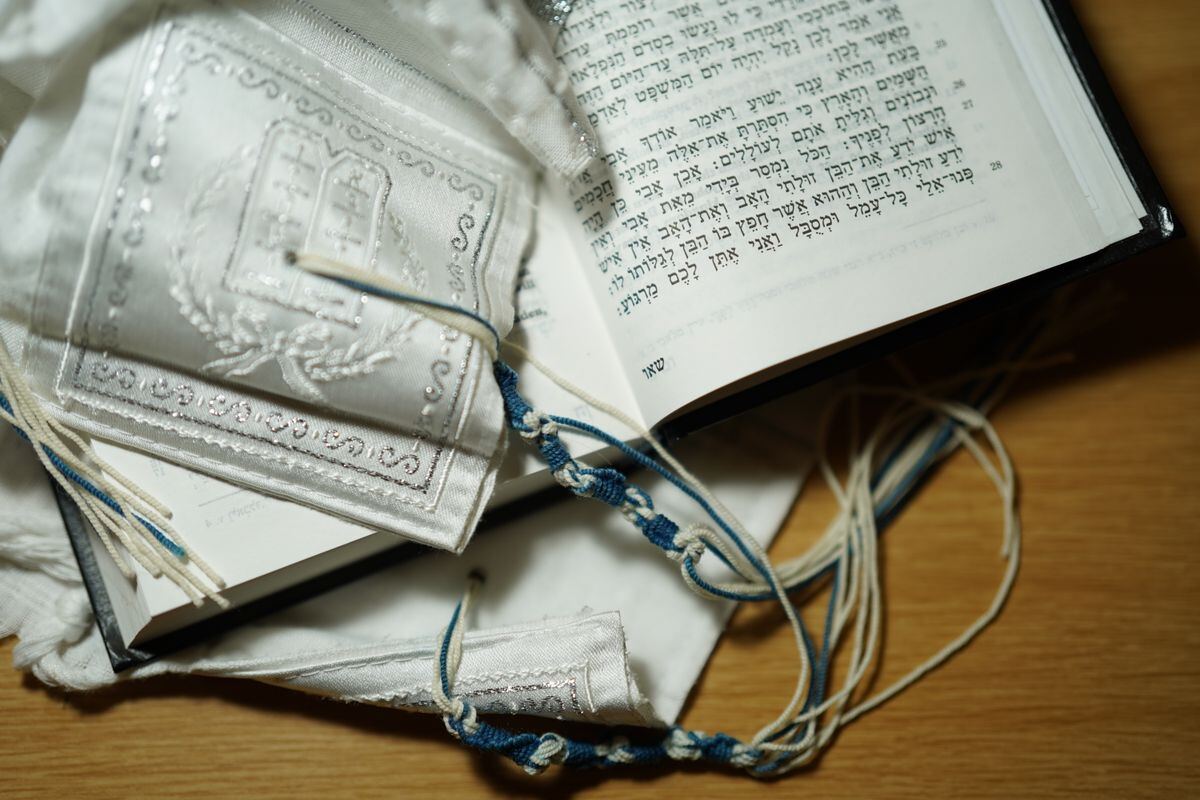
The siddur (סידור) is the Jewish prayer book. The word comes from seder, "order," because the prayers are arranged in a set sequence. A siddur holds the prayers for weekdays, Shabbat and festivals, and many editions add an English translation with simple instructions. Chabad communities often use Siddur Tehillat Hashem, which follows the Chassidic text; different editions differ slightly in wording, and these versions are called nuschaot. If a page looks different from your neighbor's, they may simply be using another edition.
Step by step: how to follow along
- Pick a siddur with English. Prayer books with English are available to borrow at Chabad of Lamorinda services; just ask for one when you come in. Pages with Hebrew on one side and English on the other make it easy to see the meaning.
- Find out the page. Many synagogues announce the page, or someone points it out. Listen for it when the prayer leader changes sections.
- Open to the right section. The weekday, Shabbat and holiday services each have their own place in the book. Ask which one you need today.
- Read at your pace. You do not have to keep up with the leader. If you read slowly, you can say a smaller part with understanding instead of racing through the whole thing. This is welcomed, not frowned on.
- Watch the room. When people stand, sit or bow, you will see the moment has come.
Landmarks you can listen for
Once you know a few signposts, the service stops feeling like a blur. On Shabbat morning, listen for:
- The morning blessings and psalms at the start, ending with a call to prayer by the leader. See morning blessings and Ashrei.
- Barchu, where the leader calls the congregation to bless G-d and everyone answers. Read about Barchu.
- The Shema, said aloud together, usually with a hand over the eyes. See Shema.
- The Amidah, the silent standing prayer. People pray quietly and then take three steps back at the end. See Amidah.
- The Torah reading, when the scroll is taken from the ark.
- Aleinu, near the end, said standing. See Aleinu.
For the full order of events, see Shabbat Morning Services Explained.
Tips for when you feel lost
- It is normal. Even people who have prayed for years sometimes lose their place.
- Use the translation. Reading the English meaning is a real way of praying. Learn more in Can I Pray in English?.
- Say "Amen." When you hear a blessing, you can answer "Amen" even if you are lost on the page.
- Ask the Rabbi. If you want to know exactly where things are, ask beforehand and he will show you.
In Lamorinda: Prayer books with English are available to borrow at our services, and someone will point out the page. Come to Chabad of Lamorinda or call 925-384-7242.
Common questions
How do I follow along in synagogue?
Listen for the announced page number, keep your finger on the line, and watch the people around you. Ask a neighbor if you get lost.
How do I find the right page in a siddur?
Use the page number announced or posted, or look for the title of the service in the table of contents. The weekday, Shabbat and holiday services are in different sections.
What if I cannot read Hebrew?
Use a siddur with English translation or transliteration, or simply read the English. You can also listen and say "Amen." See Hebrew Reading for Adults.
Do I need to keep up with the prayer leader?
No. Pray at your own pace. Saying less with attention is better than rushing through.
Why do some siddurim look different?
Different editions follow slightly different traditions, and the wording varies a little between them. Chabad communities commonly use Siddur Tehillat Hashem.
Is it all right to take a siddur home?
Many people want to. Prayer books with English are available to borrow at services. Ask the Rabbi about it, or call 925-384-7242.
Take the next step
- Read the Siddur guide to meet the book, then Can I Pray in English?
- Visitors from Lafayette, Moraga and Orinda: call Rabbi Labkowski at 925-384-7242 and ask for help getting started.
- Come to learn the alef-bet at Hebrew lessons in Lamorinda.
Step by step · Part 17 of 27
Learning to pray
NextDaily Prayers: Shacharit, Mincha and Maariv Made SimpleThe three daily Jewish prayers: when to say them, what is in each, praying alone or with a minyan, short versions for beginners, and women's prayer.All 27 parts
- Jewish Prayer: How and When Jews Pray, a Beginner's Guide
- Modeh Ani: The Jewish Morning Prayer of Thanks
- Mah Tovu: Meaning of "How Goodly Are Your Tents" and the Prayer That Opens the Day
- Adon Olam: Meaning, Author and Why We Sing It Before Prayer
- The Morning Blessings: Starting the Day With Thanks
- The Morning Service (Shacharit): A First-Timer's Guide
- Ashrei (Psalm 145): Why We Say It Three Times a Day
- Barchu: The Call to Prayer and the Blessings Before the Shema
- The Shema Prayer: Meaning, Words and When to Say It
- The Amidah: The Central Jewish Prayer Explained
- Kedushah: Standing With the Angels in Prayer, Meaning and Responses
- What Is Tachanun? Why Jews Put Their Head Down in Prayer
- What Is Hallel? Full vs. Half Hallel on Holidays and Rosh Chodesh
- What Is Musaf? The Additional Prayer of Shabbat, Holidays and Rosh Chodesh
- Aleinu: The Closing Prayer, Its Meaning and Why We Bow
- The Siddur: A Guide to the Jewish Prayer Book
- How to Follow the Service: Finding Your Place in the Siddur
- Daily Prayers: Shacharit, Mincha and Maariv Made Simple
- Mincha and Maariv: The Afternoon and Evening Prayers
- Minyan: Why Jewish Prayer Needs Ten
- Leading the Prayers: Being a Chazzan for the First Time
- Talking to G-d in Your Own Words
- Praying for Others: For the Sick, for Family and for the World
- Why Pray If G-d Already Knows What We Need?
- How to Focus When You Pray: Kavanah and a Wandering Mind
- Can I Pray in English? Hebrew, Understanding and Heartfelt Prayer
- The Bedtime Shema: Jewish Prayers Before Sleep
Questions about this, or something on your mind? Message the Rabbi or the Rebbetzin privately, or call 925-384-7242. · Email
Read next
 The Siddur: A Guide to the Jewish Prayer BookWhat the siddur is, how it is organized, where its prayers come from, which siddur Chabad uses, and tips for praying from it for the first time.Read next →