
Learn › Prayer & Torah › The synagogue and its services
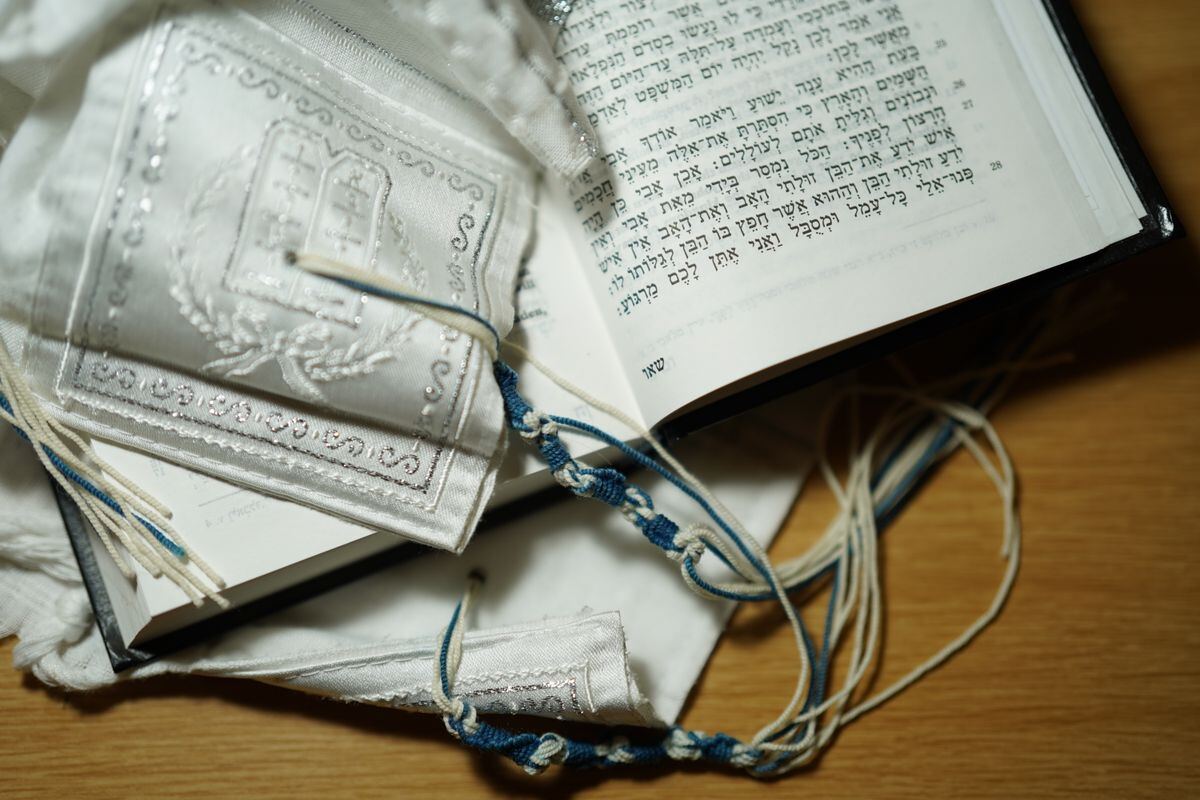
The Siddur: A Guide to the Jewish Prayer Book
What the siddur is, how it is organized, where its prayers come from, which siddur Chabad uses, and tips for praying from it for the first time.
Part 16 of 27 · Learning to pray
On this page · 2 min read
Where the prayers come fromHow a siddur is organizedDifferent versions (nusach)Tips for using a siddurTreating a siddur with respectThe siddur is the Jewish prayer book, containing the daily, Shabbat and holiday prayers in their set order. Its name comes from the Hebrew word seder, "order," because it arranges our conversation with G-d into a clear daily path.
Where the prayers come from
Prayer is as old as the Jewish people. Abraham, Isaac and Jacob each prayed, and the Sages teach that they established the morning, afternoon and evening prayers. About 2,400 years ago, the Men of the Great Assembly, led by Ezra, composed the core text of the Amidah and many blessings, so every Jew would have the right words.
Over the centuries more prayers were added: psalms, poems and passages from the Torah. The earliest known written siddurim come from the Geonim of Babylonia, more than a thousand years ago.
How a siddur is organized
Most siddurim follow the day and the calendar:
- Morning blessings and Shacharit, the morning prayer, including the Shema and the Amidah
- Mincha, the afternoon prayer
- Maariv, the evening prayer
- Shabbat and holiday prayers, including Kiddush and Musaf
- Blessings for food, Birkat Hamazon and other occasions
- The Bedtime Shema
- Special sections such as Pirkei Avot, Tehillim and prayers for life events
Different versions (nusach)
Jewish communities developed slightly different versions of the prayers, called nusach. Ashkenazi, Sephardic and Chassidic siddurim are very similar, with small differences in wording and order.
Chabad uses Nusach Ari, arranged by Rabbi Schneur Zalman of Liadi, the first Chabad Rebbe, based on the teachings of the Arizal. The standard Chabad siddur is called Tehillat Hashem. Many editions include English translation and instructions.
Tips for using a siddur
- Start small. You do not need to say every word. Modeh Ani and the Shema are a beautiful beginning.
- Use a siddur with translation so you understand what you are saying.
- Read in any language you understand. Hebrew is ideal, but the Sages allow prayer in any language.
- Follow the page numbers. In synagogue, page numbers are often announced or posted.
- Add your own words. The siddur gives structure, and personal prayer fills it with feeling.
Treating a siddur with respect
A siddur contains G-d's Name and holy words, so it is treated with care. It is not placed on the floor or left face down. If one falls, people pick it up and kiss it. An old or damaged siddur is not thrown away but buried or placed in a genizah.
In Lamorinda: Want a siddur of your own or a personal lesson on how to use it? Call Rabbi Labkowski at 925-384-7242.
Common questions
Do I need to read Hebrew to use a siddur?
No. Many siddurim have English translation and transliteration. Learning to read Hebrew over time is a wonderful goal, and our Hebrew alphabet guide is a good start.
Which siddur should I buy?
If you pray with a Chabad community, a Tehillat Hashem siddur with English translation is a great choice. Any reliable traditional siddur is fine for personal prayer.
How long does the morning prayer take?
A full weekday Shacharit with a minyan takes about 30 to 45 minutes. At home you can start with a few minutes and grow from there.
Can I use a siddur app on my phone?
Yes, on weekdays many people do. On Shabbat and holidays, use a printed siddur.
Step by step · Part 16 of 27
Learning to pray
NextHow to Follow the Service: Finding Your Place in the SiddurLost in the prayer book? Learn how to follow along in synagogue, find the right page, spot the landmarks of the service and pray at your own pace.All 27 parts
- Jewish Prayer: How and When Jews Pray, a Beginner's Guide
- Modeh Ani: The Jewish Morning Prayer of Thanks
- Mah Tovu: Meaning of "How Goodly Are Your Tents" and the Prayer That Opens the Day
- Adon Olam: Meaning, Author and Why We Sing It Before Prayer
- The Morning Blessings: Starting the Day With Thanks
- The Morning Service (Shacharit): A First-Timer's Guide
- Ashrei (Psalm 145): Why We Say It Three Times a Day
- Barchu: The Call to Prayer and the Blessings Before the Shema
- The Shema Prayer: Meaning, Words and When to Say It
- The Amidah: The Central Jewish Prayer Explained
- Kedushah: Standing With the Angels in Prayer, Meaning and Responses
- What Is Tachanun? Why Jews Put Their Head Down in Prayer
- What Is Hallel? Full vs. Half Hallel on Holidays and Rosh Chodesh
- What Is Musaf? The Additional Prayer of Shabbat, Holidays and Rosh Chodesh
- Aleinu: The Closing Prayer, Its Meaning and Why We Bow
- The Siddur: A Guide to the Jewish Prayer Book
- How to Follow the Service: Finding Your Place in the Siddur
- Daily Prayers: Shacharit, Mincha and Maariv Made Simple
- Mincha and Maariv: The Afternoon and Evening Prayers
- Minyan: Why Jewish Prayer Needs Ten
- Leading the Prayers: Being a Chazzan for the First Time
- Talking to G-d in Your Own Words
- Praying for Others: For the Sick, for Family and for the World
- Why Pray If G-d Already Knows What We Need?
- How to Focus When You Pray: Kavanah and a Wandering Mind
- Can I Pray in English? Hebrew, Understanding and Heartfelt Prayer
- The Bedtime Shema: Jewish Prayers Before Sleep
Questions about this, or something on your mind? Message the Rabbi or the Rebbetzin privately, or call 925-384-7242. · Email
Read next
 Jewish Prayer: How and When Jews Pray, a Beginner's GuideA beginner's guide to Jewish prayer: the three daily services, the siddur, praying with a minyan, praying in any language, and how to start.Read next →