
Learn › Prayer & Torah › Judges, kings and prophets
Ezra and Nehemiah: Rebuilding Jerusalem and the Jewish People
Who were Ezra the Scribe and Nehemiah? How they led the return from Babylon, rebuilt Jerusalem and gave us public Torah reading and our prayers.
On this page · 3 min read
Who was Ezra the Scribe?The journey homeWhat Ezra gave usThe Men of the Great AssemblyNehemiah and the wallsA lesson for todayEzra the Scribe (עזרא הסופר, Ezra HaSofer) led the second wave of Jews home from Babylon to the Land of Israel and renewed Torah life there at the start of the Second Temple era. Nehemiah, a Jewish official from Babylon, came to rebuild Jerusalem's walls and protect the people, so that Ezra could rebuild their spirit.
Who was Ezra the Scribe?
According to Jewish tradition, Ezra was born in Babylon into a priestly family and devoted his life to Torah. He was a scribe by trade, writing books of the Torah and Prophets, and as a young man he studied under Baruch ben Neriah. He is credited with writing the books of Ezra and Malachi, and the Chronicles up to his time.
Ezra did not travel with the first group of returnees. When Cyrus allowed the Jews to go home and rebuild the Holy Temple, about 42,000 people returned and laid its foundations. Opposition from neighbors stopped the work for years. Under Darius, with the encouragement of the prophets Haggai and Zechariah, the Temple was finished. Ezra stayed in Babylon during these years, studying and clarifying the family lines of the Jews there.
The journey home
After the Temple was complete, the Persian king Artaxerxes gave Ezra permission to lead a larger return and to teach G-d's laws in Israel. Most Jews in Babylon stayed. Ezra led about 1,500 people, carrying gold and silver for the Temple. The journey took four months, and they arrived on the first of Av.
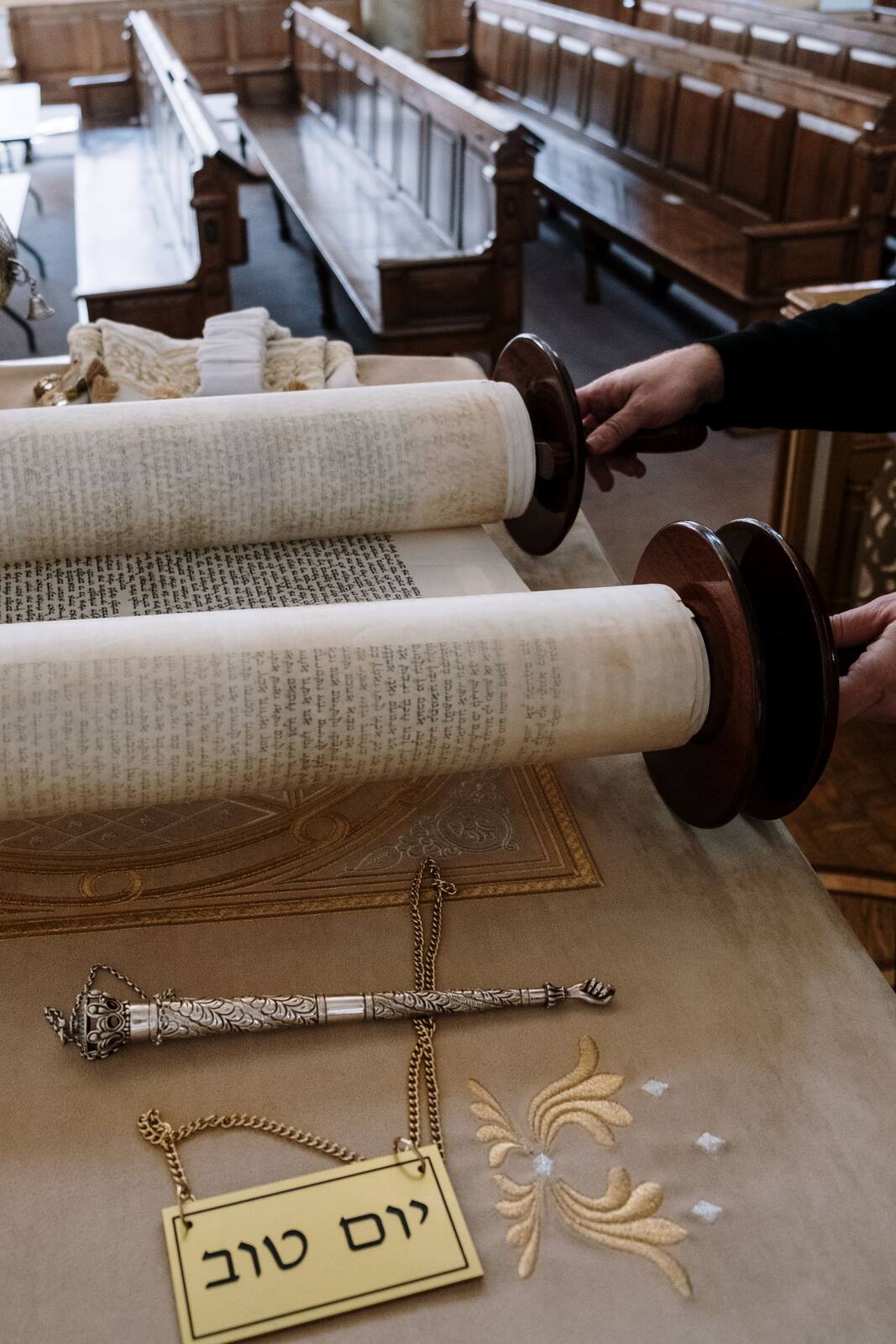
What Ezra found was heartbreaking. Many Jews had drifted from the commandments and from their own community. He mourned openly and prayed, and the people joined him in confession and renewal. Then he did something simple and powerful: he read the Torah to the people. They wept, then celebrated, and kept Sukkot with a joy not seen in generations. The community also took on Shabbat observance fully.
What Ezra gave us
Ezra made sure Torah would live in ordinary daily life, not only in the Temple. His enactments include:
- Reading the Torah publicly on Shabbat afternoon, and on Monday and Thursday mornings. This is why we still read from the scroll on those days.
- Courts sitting on Mondays and Thursdays.
- Doing laundry on Thursday in preparation for Shabbat.
He also wrote a model Torah scroll, kept in the Temple, against which other scrolls were checked. This is credited with the remarkable accuracy of Torah scrolls today.
The Men of the Great Assembly
Ezra led the Anshei Knesset HaGedolah, the Men of the Great Assembly, one of the most influential groups of scholars in Jewish history. They shaped the structure of Jewish prayer and set down many practices of Jewish law that we still follow. When you open a siddur or stand for the Amidah, you are using a framework this generation of sages built.
Nehemiah and the walls
Ezra's work was spiritual, but the people were still struggling. For about twelve years Jerusalem's walls lay broken and raiders troubled the area. Nehemiah, a Jewish government official from Babylon, came as governor to rebuild the walls and defend the people. In short: Nehemiah looked after the people's physical needs, while Ezra looked after their spiritual well-being.
A lesson for today
A small group, returning to Torah with determination, rebuilt a whole people. Ezra's gift was not a new idea but a return to what was already ours: read it aloud, learn it together, and keep it in daily life. The same is true in any community, including Lafayette, Moraga and Orinda. Dates in this period are given differently in different sources, so this guide leaves out exact years.
In Lamorinda: Come hear the Torah read the way Ezra taught, and ask the Rabbi anything. Call 925-384-7242.
Common questions
Who was Ezra the Scribe?
Ezra was a priest and scribe born in Babylon who led the second return of Jews to Israel and re-established Torah observance there. He also led the Men of the Great Assembly.
Who was Nehemiah?
Nehemiah was a Jewish official from Babylon who became governor of Jerusalem and rebuilt its walls. He cared for the people's physical safety while Ezra cared for their spiritual life.
Why do we read the Torah on Monday and Thursday?
Ezra's enactments include public Torah reading on Monday and Thursday mornings, and on Shabbat afternoon. Ask the Rabbi for the details of the weekday reading.
What was the Great Assembly?
The Men of the Great Assembly were a group of sages led by Ezra who formed the liturgy of Jewish prayer and established many systems of Jewish law still used today.
How long did the Second Temple stand?
The Second Temple was completed under Darius and stood until the Romans destroyed it. Read more in the Holy Temple and the Jewish history overview.
Where can I hear the Torah read near Lafayette, Moraga and Orinda?
Call Chabad of Lamorinda in Lafayette at 925-384-7242 to hear when the Torah is read, or see the events page.
Take the next step
- See how the Temple's story continues in Rabbi Yochanan ben Zakkai: How Judaism Survived the Destruction.
- Learn how the Torah reading works in Torah reading.
- Come and hear the Torah read: call Rabbi Labkowski at 925-384-7242 or see events.
Questions about this, or something on your mind? Message the Rabbi or the Rebbetzin privately, or call 925-384-7242. · Email
Read next
 The Holy Temple in Jerusalem (Beit HaMikdash)What the Holy Temple was, the First and Second Temples, why they were destroyed, how we remember them today, and the Third Temple.Read next →