
Learn › Prayer & Torah › The synagogue and its services
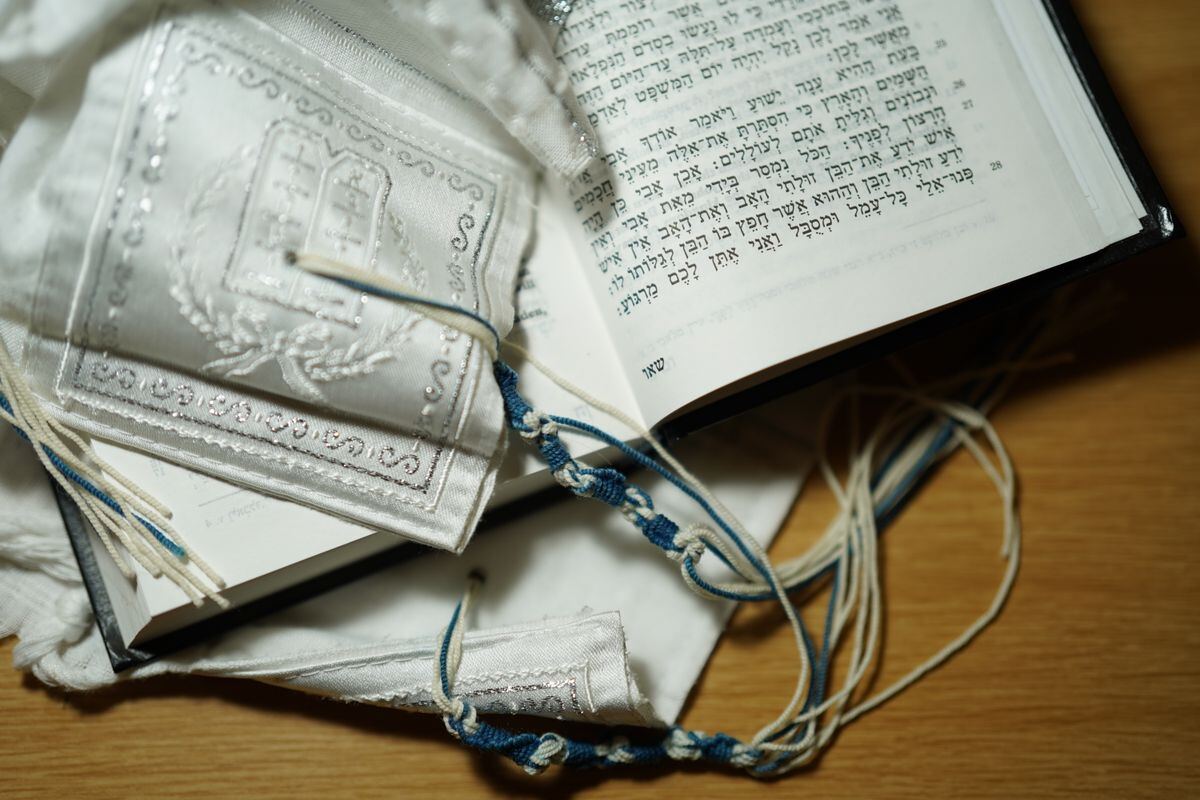
Going to Synagogue for the First Time: What to Expect
A friendly guide for first-time visitors to a synagogue: what to wear, what happens during services, Shabbat etiquette, and how to follow along.
On this page · 2 min read
Before you goWhen you arriveWhat happens during the serviceHelpful etiquetteAfter the serviceYour first time at synagogue can feel a little unfamiliar, but you do not need to know anything to walk in. Come as you are, take a seat, and let the people around you help you follow along. At Chabad, every Jew is welcome, whatever their background or knowledge.
Before you go
- Check the time. Services start at set times, and Shabbat morning services often run two to three hours, followed by Kiddush. Arriving partway through is completely normal.
- Dress respectfully. Many men wear a jacket or nice shirt, and women often wear a skirt or dress with sleeves. Nobody will turn you away, so do not stress about it.
- On Shabbat, it helps to leave your phone at home or turned off, since phones are not used in synagogue on Shabbat.
When you arrive
- Men put on a kippah. There are usually some at the entrance.
- Take a siddur, the prayer book. Many have English translation.
- Find a seat. In traditional synagogues, including Chabad, men and women sit in separate sections divided by a mechitzah, a partition. This helps everyone focus on prayer.
- Ask for the page. Page numbers are often announced or posted, and a neighbor will gladly point to the right place.
What happens during the service
A Shabbat morning service includes:
- Morning blessings and psalms of praise
- The Shema, the declaration of G-d's oneness
- The Amidah, a silent standing prayer
- The Torah reading, when the scroll is taken out and read aloud
- The Haftarah and often a short talk by the Rabbi
- Musaf, an additional Amidah for Shabbat
- Closing prayers and songs
You will notice people standing, sitting, bowing and sometimes swaying. Follow along as best you can. Nobody is checking.
Helpful etiquette
- Stand when the ark is open and when others stand for key prayers.
- Stay quiet during the Amidah and the Torah reading.
- Do not walk in front of someone saying the silent Amidah.
- Answer "Amen" when you hear a blessing, if you feel comfortable.
- On Shabbat, avoid photos, writing and using electronics inside.
After the service
Most Shabbat services end with Kiddush, a blessing over wine followed by food and conversation. This is the best time to meet people and ask questions. Stay a while, introduce yourself, and enjoy.
In Lamorinda: Thinking of visiting? Find Shabbat information at jewishlamorinda.com/shabbat or call Rabbi Labkowski at 925-384-7242 and we will welcome you personally.
Common questions
Do I need to read Hebrew?
No. Many people follow in English or simply listen. Over time you may want to learn; see our Hebrew alphabet guide.
Can I bring my kids?
Yes. Children are part of Jewish life, and you will often see them in synagogue. If a little one gets restless, stepping out for a few minutes is perfectly fine.
Will people expect me to know what to do?
Not at all. Everyone was new once. People are glad you came, and the Rabbi is happy to explain anything.
Do I need to be a member?
No. Chabad is known for welcoming every Jew, whether or not they belong anywhere. If you have questions before coming, just call.
Questions about this, or something on your mind? Message the Rabbi or the Rebbetzin privately, or call 925-384-7242. · Email
Read next
 The Siddur: A Guide to the Jewish Prayer BookWhat the siddur is, how it is organized, where its prayers come from, which siddur Chabad uses, and tips for praying from it for the first time.Read next →