
Synagogue and Services in Lafayette ›
Prayer and the Siddur, Simply Explained
What Jewish prayer is, why we pray together, how the siddur works and how to follow along at our services in Lafayette, even without Hebrew.
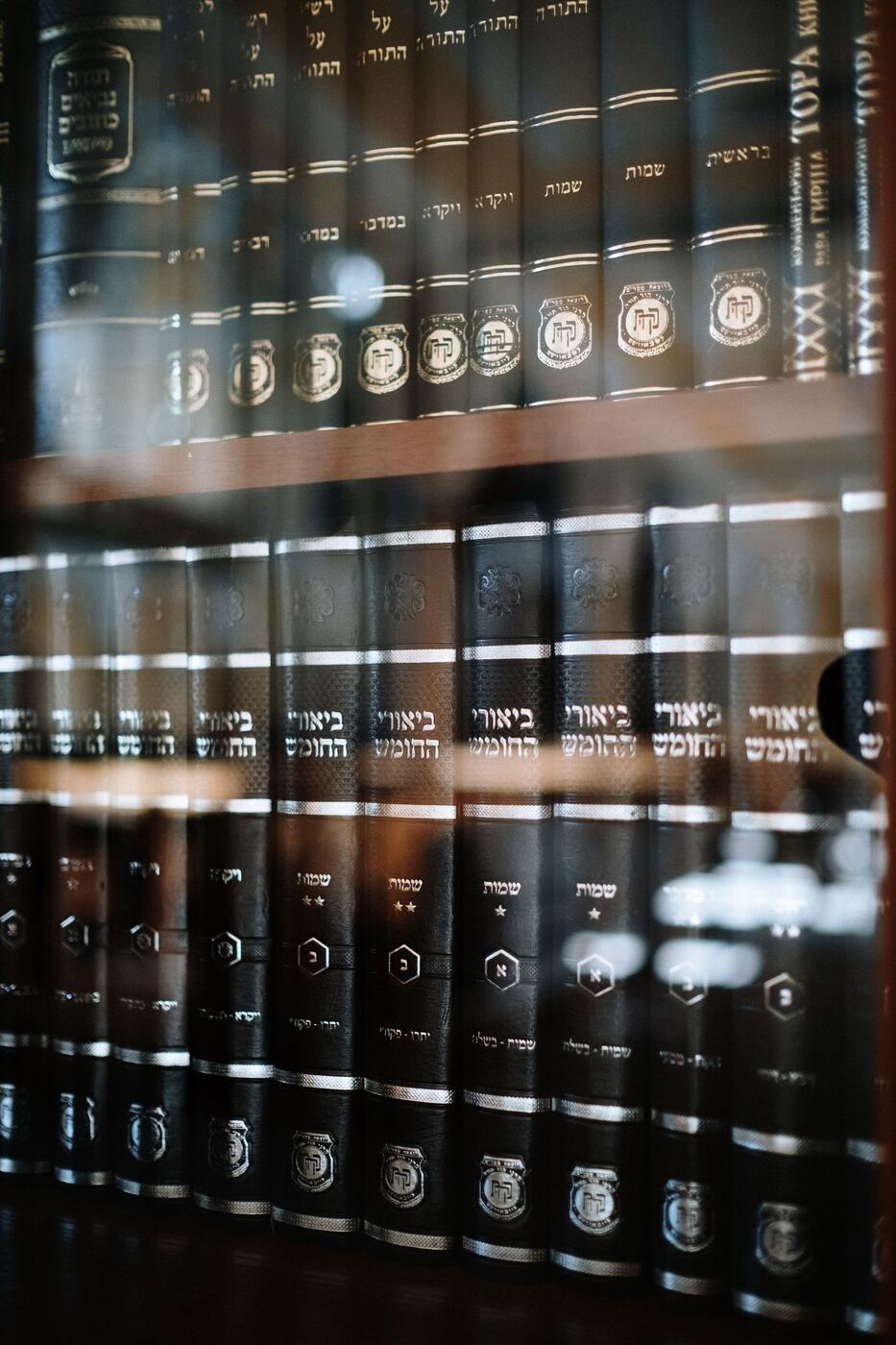
Many of us grew up thinking that Jewish prayer is something you must already know how to do. It is not. Prayer is a skill, a habit and above all a relationship, and every Jew can begin at any age. This page explains what Jewish prayer is, how the prayer book works and how to follow along at our synagogue in Lafayette, even if you do not read a word of Hebrew.
What is prayer?
In Hebrew the word for prayer, tefillah, comes from a root that can mean "to connect." Prayer is how we talk with G-d: to thank, to ask, to praise and sometimes just to be present. Our guide to prayer tells the full story, and why pray answers the honest question many people have: "Does it make a difference?"
Jewish prayer has a shape. There are fixed prayers that connect us to Jews of all generations, and there is room for your own words, too.
Why pray together?
You can pray alone, and many people do. But some of the holiest parts of the service are said only in a group of ten, a minyan, and there is a special strength in voices joined together. Praying with others also means you do not have to carry the whole thing yourself: when you are tired or distracted, the room carries you. See the minyan and our daily minyan.
The siddur
The siddur is the Jewish prayer book. The word means "order," because it holds the prayers in order. Ours is a bilingual Hebrew-English book, and we also have prayer books with English to borrow. Read more in the guide to the siddur.
A few points that help:
- The Hebrew is on one side and the English on the other, so you can read either or both.
- Pages are numbered, and someone will always show you the page we are on.
- You do not have to read every word. Many people choose a few prayers and read them slowly.
If you do get lost, which happens to everyone, finding your place in the siddur helps.
Two prayers to know
The Shema is the central declaration of Jewish faith: "Hear, O Israel, the Lord is our G-d, the Lord is One." Many Jews say it morning and night, and it is often the first prayer a child learns. See the guide to the Shema.
The Amidah is the heart of every service, said standing and quietly. It is a series of blessings with which we praise, ask and give thanks. See the Amidah.
Can I pray in English?
Yes. Prayer in a language you understand is far better than words you do not. Many people pray in a mix: some Hebrew, some English. Read can I pray in English?. Hebrew has a special place, and some of it is worth learning, but you can begin anywhere.
Focus and feeling
Almost everyone's mind wanders. Concentration, called kavanah, is something we practice, not something we are born with. Our guide to kavanah in prayer has simple ideas, such as reading the English slowly, choosing one line and really meaning it.
How it looks at our synagogue
At Chabad of Lamorinda the prayers are traditional, in a relaxed, friendly, casual and joyful atmosphere. There is nobody to impress and nobody who will judge your Hebrew. Read about your first visit, Shabbat morning services and Friday night, and see how a service flows.
Teaching children to pray
Children learn to pray by seeing it and singing it. See children at services and the guide to teaching children to pray.
Common questions
Do I need to know Hebrew to pray at your synagogue?
No. There is a bilingual Hebrew-English prayer book, and prayer books with English are there to borrow. Someone will show you the page.
Can I pray in English?
Yes. See the guide can I pray in English?.
What is a siddur?
It is the Jewish prayer book. The word means "order."
What if I cannot concentrate when I pray?
That is normal. Read kavanah in prayer for gentle ways to build focus.
Why do Jews pray in a group?
Certain prayers need a minyan of ten, and there is strength in praying together. See the minyan.
Who can help me learn?
Call Rabbi Yisroel Labkowski at 925-384-7242, and he will point you to the right class, or see adult education.
When: Shabbat morning: Saturday 10:00 AM to 12:00 PM · Friday evening: Kabbalat Shabbat · Morning prayers: Sunday 8:00 AM, Monday to Friday 6:30 AM