
Learn › Shabbat & holidays › Yom Kippur
Yom Kippur for Beginners: Your First Day of Atonement
A first-timer's guide to Yom Kippur: what the day means, the five things we refrain from, who should not fast, Kol Nidre, Yizkor, Neilah and what to wear.
Part 12 of 20 · The High Holidays, step by step
On this page · 3 min read
What Yom Kippur isThe five things we refrain fromWho should not fastThe prayers, in orderWhat to wearIf you cannot stay all dayIf this is your first Yom Kippur, or your first in many years, welcome. You do not need to know Hebrew, own a prayer book or have been to synagogue before. Here is what the day is, what happens, and how to make it yours.
What Yom Kippur is
Yom Kippur, the Day of Atonement, is the holiest day of the Jewish year. It comes ten days after Rosh Hashanah, on the 10th of Tishrei, and closes the Ten Days of Repentance. On this day, the Torah says, G-d forgives. Our part is to show up honestly: to look at the year behind us, to make peace with people we have hurt, and to decide who we want to be. See teshuvah.
Chassidic teaching describes Yom Kippur as the day when the deepest part of the soul, the part that was never touched by any mistake, shines through. For twenty-five hours we live like angels, without food, drink or everyday comforts, so that this inner self can be heard.
The five things we refrain from
From before sunset until nightfall the next day, Jewish law asks us to set aside five things:
- Eating and drinking, including water. See the Yom Kippur fast.
- Washing for pleasure. Rinsing fingers after the bathroom or washing dirt off is fine.
- Anointing: lotions, creams, perfume and cosmetics.
- Leather shoes. Canvas sneakers, rubber or cloth shoes are worn instead; this is why you will see suits and sneakers together.
- Marital relations.
Work is also forbidden, as on Shabbat: no driving, cooking, phones or writing.
Who should not fast
Fasting is a mitzvah for healthy adults. It is also a mitzvah not to fast when fasting is dangerous. Pregnant and nursing women, people with diabetes, heart conditions or eating disorders, anyone on medication that must be taken with food, and anyone who is ill should speak with their doctor and then with the Rabbi before the holiday. There are ways to eat or drink in small measured amounts that are themselves part of Jewish law. Children under Bar or Bat Mitzvah do not fast. Guarding your health is G-d's will too. See pikuach nefesh.
The prayers, in order
- Kol Nidre, just before sunset as the day begins: the Torah scrolls are held, and a haunting melody releases vows we could not keep. Arrive early; this is the moment nobody wants to miss. See Kol Nidre.
- Morning prayers and the Torah reading, with the Viduy confession, said together, quietly tapping the heart.
- Yizkor, late in the morning service, a memorial prayer for parents and loved ones who have passed. Those whose parents are living traditionally step out. See Yizkor.
- Mincha, the afternoon service, with the Book of Jonah: a story about second chances.
- Neilah, "the closing of the gates," as the sun sets: the most intense hour of the year, ending with the Shema, then "The L-rd is G-d" called out seven times, and one long shofar blast. Then everyone breaks the fast together.
What to wear
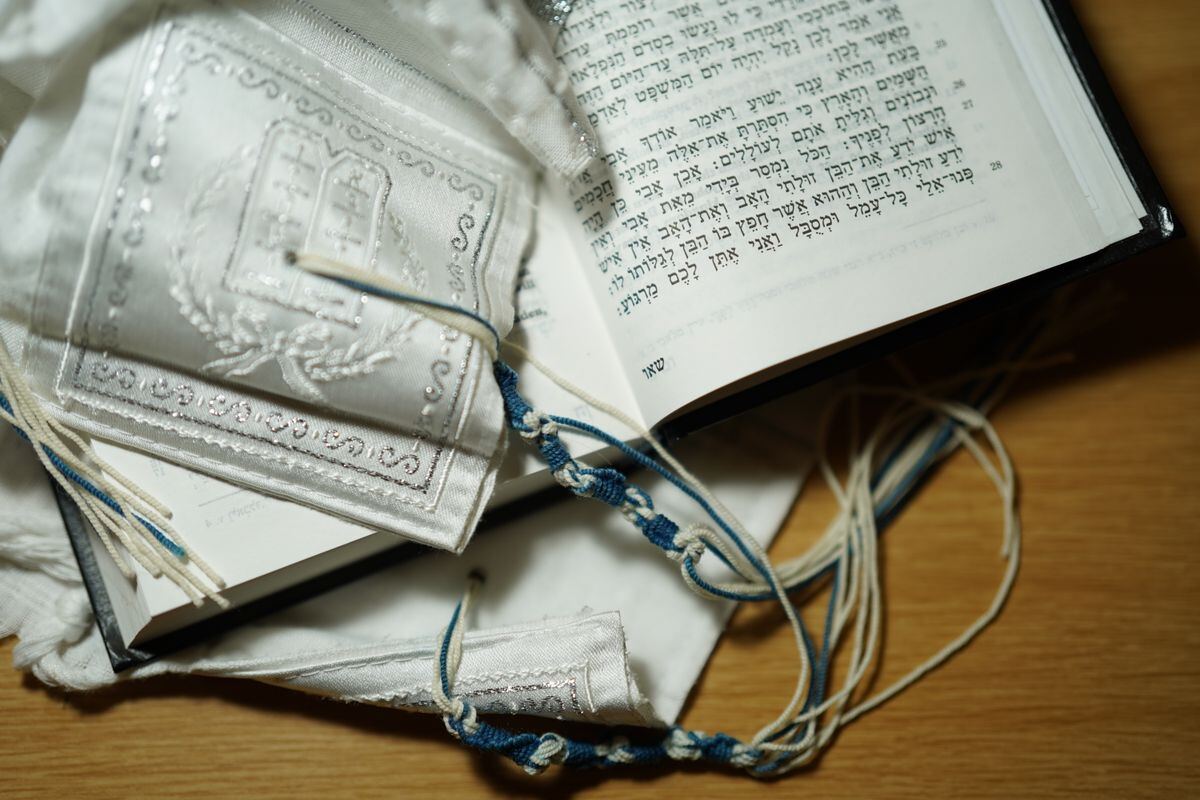
White, if you can: it is the color of purity and of angels, and many men wear a white kittel. Dress respectfully, as for an important occasion, with non-leather shoes. Married women cover their hair in synagogue; men wear a kippah and, in the morning, a tallit.
If you cannot stay all day
Come for what you can. Kol Nidre at the start and Neilah at the end are the two most powerful hours. If you are home for part of the day, rest, read, think about the year, and say your own words to G-d. See talking to G-d in your own words.
Before the holiday, eat a good meal, ask forgiveness from anyone you have hurt, give tzedakah, and light the candles. Dates and times are on our Yom Kippur page.
In Lamorinda: Every Jew in Lafayette, Moraga and Orinda is welcome at Chabad of Lamorinda, no membership needed; call Rabbi Yisroel Labkowski at 925-384-7242 about Yom Kippur this year.
Common questions
Do I need to be a member to attend?
No. At Chabad of Lamorinda every Jew is welcome, no membership needed. Call the Rabbi with any questions.
I do not read Hebrew. Will I be lost?
No. Prayer books with English on the facing page are widely available, and in most synagogues the pages are announced along the way; ask the Rabbi what to expect. Sitting quietly and thinking is also prayer.
What if I feel faint during the fast?
Sit down, tell someone, and if you feel truly unwell, drink. Health comes first, always, and the Rabbi will tell you the same.
Step by step · Part 12 of 20
The High Holidays, step by step
NextYom Kippur With Kids: When Children Fast and How to Make the Day MeaningfulAt what age do children fast on Yom Kippur? Guidance by age, what kids still do, services with children and ways to explain the day. Join us in Lafayette.All 20 parts
- The Month of Elul: How to Prepare for the High Holidays
- Selichot: The Prayers for Forgiveness Before Rosh Hashanah
- Rosh Hashanah for Beginners: Your First Jewish New Year
- The Binding of Isaac (Akeidah): The Story We Read on Rosh Hashanah
- Rosh Hashanah Simanim: Apple and Honey and the Symbolic Foods
- The Shofar: Why We Blow It on Rosh Hashanah and How to Hear It
- Unetaneh Tokef: "Who Will Live and Who Will Die" Explained
- Tashlich: The Rosh Hashanah Prayer by the Water
- The Ten Days of Repentance: Between Rosh Hashanah and Yom Kippur
- Avinu Malkeinu: Meaning of "Our Father, Our King" and When We Say It
- Shabbat Shuva: The Shabbat Between Rosh Hashanah and Yom Kippur
- Yom Kippur for Beginners: Your First Day of Atonement
- Yom Kippur With Kids: When Children Fast and How to Make the Day Meaningful
- Teshuvah: Repentance and Returning to G-d in Judaism
- Kapparot: The Custom Before Yom Kippur
- Erev Yom Kippur: Customs for the Day Before Yom Kippur
- Kol Nidre: Meaning, Time and What Happens
- The Book of Jonah: Story, Meaning and Why We Read It on Yom Kippur
- The Yom Kippur Fast: Rules, Tips and Who Is Exempt
- Neilah: The Closing Prayer of Yom Kippur and What Happens at Sunset
Questions about this, or something on your mind? Message the Rabbi or the Rebbetzin privately, or call 925-384-7242. · Email
Read next
 The Yom Kippur Fast: Rules, Tips and Who Is ExemptHow the 25-hour Yom Kippur fast works, the five restrictions, who should not fast, tips for an easier fast, and how to break the fast.Read next →