
Learn › Shabbat & holidays › Elul and Rosh Hashanah
The Month of Elul: How to Prepare for the High Holidays
What the Jewish month of Elul is, why it is a time of preparation before Rosh Hashanah, and its customs: shofar, Psalm 27, Selichot and checking mezuzahs.
Part 1 of 20 · The High Holidays, step by step
On this page · 2 min read
What is Elul?The King in the fieldElul customsHow to make the most of ElulElul is the last month of the Jewish year, the month leading up to Rosh Hashanah. It is a time of reflection, teshuvah and drawing closer to G-d, so we enter the new year prepared.
What is Elul?
Elul usually falls in August or September. In Jewish history, it is the month when Moses went up Mount Sinai for the third time, for 40 days, to receive the second tablets after the sin of the golden calf. Those 40 days, from the first of Elul to Yom Kippur, were days of G-d's special favor and forgiveness.
The name Elul is often read as an acronym of the verse "Ani l'dodi v'dodi li," "I am my Beloved's and my Beloved is mine" (Song of Songs 6:3). It describes the love between G-d and the Jewish people.
The King in the field
The founder of Chabad, Rabbi Schneur Zalman of Liadi, gave a famous parable. Usually, a king lives in his palace, and anyone who wants to see him must go through guards and protocol. But once a year, the king travels out to the fields. Anyone can come and greet him, and he receives everyone warmly.
During Elul, G-d is like the King in the field. He is close and approachable, wherever we are. It is the easiest time of year to reconnect.
Elul customs
Blowing the shofar
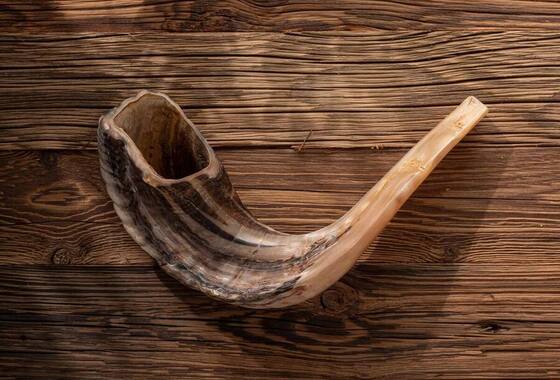
The shofar is blown each weekday morning after prayers, from the beginning of Elul, except on Shabbat. It is a wake-up call to prepare. It is not blown on the day before Rosh Hashanah, to separate the custom from the Rosh Hashanah mitzvah.
Psalm 27
From the first of Elul through Hoshana Rabbah, Psalm 27, "L'David Hashem ori," "G-d is my light," is said in morning and afternoon prayers.
Three extra chapters of Tehillim
Chabad custom, from the Baal Shem Tov, is to say three extra chapters of Tehillim each day of Elul, from chapter 1 on, so that all 150 are completed by Yom Kippur.
Checking mezuzahs and tefillin
Many have their mezuzahs and tefillin checked by a scribe in Elul, to make sure they are kosher for the new year.
Extra tzedakah and Torah study
Elul is a time to add in giving, learning and kindness.
Selichot
Ashkenazi Jews begin saying Selichot, prayers for forgiveness, in the last days of Elul.
Wishing a good year
From the beginning of Elul, people wish each other "ketivah vachatimah tovah," "May you be written and sealed for a good year," and sign letters that way.
How to make the most of Elul
- Take stock. Set aside a few minutes each day to reflect on the past year.
- Choose one thing to improve. Small, real steps matter more than big promises.
- Make amends. Reach out to anyone you may have hurt, and ask forgiveness.
- Add one mitzvah. Light Shabbat candles, put on tefillin, give tzedakah, or learn a little Torah daily.
In Lamorinda: Have your tefillin and mezuzahs checked before Rosh Hashanah through jewishlamorinda.com/forms/mezuzah-tefillin, and reserve High Holiday seats at jewishlamorinda.com/forms/high-holidays.
Common questions
When does Elul start?
Elul begins on Rosh Chodesh Elul, which is two days, the 30th of Av and the 1st of Elul. You can find the exact dates with our Hebrew date converter.
Is Elul a sad time?
Not at all. While it is serious, it is filled with closeness to G-d. The King is in the field and welcomes everyone.
What if I have not been observant before?
That is exactly what Elul is for. Every Jew can come close to G-d right now, from wherever they are. Contact us if you would like to talk or learn together.
Why is the shofar not blown on Shabbat in Elul?
Blowing the shofar is not done on Shabbat at any time of the year, including Elul.
Step by step · Part 1 of 20
The High Holidays, step by step
NextSelichot: The Prayers for Forgiveness Before Rosh HashanahWhat Selichot are, when they begin before Rosh Hashanah, why they are said late at night or early morning, and the Thirteen Attributes of Mercy.All 20 parts
- The Month of Elul: How to Prepare for the High Holidays
- Selichot: The Prayers for Forgiveness Before Rosh Hashanah
- Rosh Hashanah for Beginners: Your First Jewish New Year
- The Binding of Isaac (Akeidah): The Story We Read on Rosh Hashanah
- Rosh Hashanah Simanim: Apple and Honey and the Symbolic Foods
- The Shofar: Why We Blow It on Rosh Hashanah and How to Hear It
- Unetaneh Tokef: "Who Will Live and Who Will Die" Explained
- Tashlich: The Rosh Hashanah Prayer by the Water
- The Ten Days of Repentance: Between Rosh Hashanah and Yom Kippur
- Avinu Malkeinu: Meaning of "Our Father, Our King" and When We Say It
- Shabbat Shuva: The Shabbat Between Rosh Hashanah and Yom Kippur
- Yom Kippur for Beginners: Your First Day of Atonement
- Yom Kippur With Kids: When Children Fast and How to Make the Day Meaningful
- Teshuvah: Repentance and Returning to G-d in Judaism
- Kapparot: The Custom Before Yom Kippur
- Erev Yom Kippur: Customs for the Day Before Yom Kippur
- Kol Nidre: Meaning, Time and What Happens
- The Book of Jonah: Story, Meaning and Why We Read It on Yom Kippur
- The Yom Kippur Fast: Rules, Tips and Who Is Exempt
- Neilah: The Closing Prayer of Yom Kippur and What Happens at Sunset
Questions about this, or something on your mind? Message the Rabbi or the Rebbetzin privately, or call 925-384-7242. · Email
Read next
 The Shofar: Why We Blow It on Rosh Hashanah and How to Hear ItWhat the shofar is, why it is blown on Rosh Hashanah, the meaning of its sounds, the blessing, and how to make sure you hear it.Read next →