
Learn › Shabbat & holidays › Elul and Rosh Hashanah
Rosh Hashanah for Beginners: Your First Jewish New Year
New to Rosh Hashanah? What the day means, why we hear the shofar, the festive meals, tashlich, greetings and how to make it meaningful.
Part 3 of 20 · The High Holidays, step by step
On this page · 3 min read
What the day isThe shofar: the one mitzvah of the dayThe festive mealsTashlichCandles and greetingsIf you can only come for partRosh Hashanah is the Jewish New Year, but it looks nothing like December 31st: a ram's horn, a round challah dipped in honey, a day in the synagogue, and a quiet sense of standing before G-d and starting again. If this is your first time, here is what to expect.
What the day is
Rosh Hashanah falls on the first two days of the Hebrew month of Tishrei, usually in September or early October. Our sages teach that it is the anniversary of the creation of Adam and Eve.
That is the heart of the day: on Rosh Hashanah we crown G-d as King. Chassidic teaching explains that a king needs a people who want him, so each year we renew the relationship: we accept G-d as our King, and He renews His care for the world. It is also the Day of Judgment, when the year ahead is written: a day of hope, not fear, when the slate is wiped clean. See the month of Elul, the month of preparation before it.
The shofar: the one mitzvah of the day
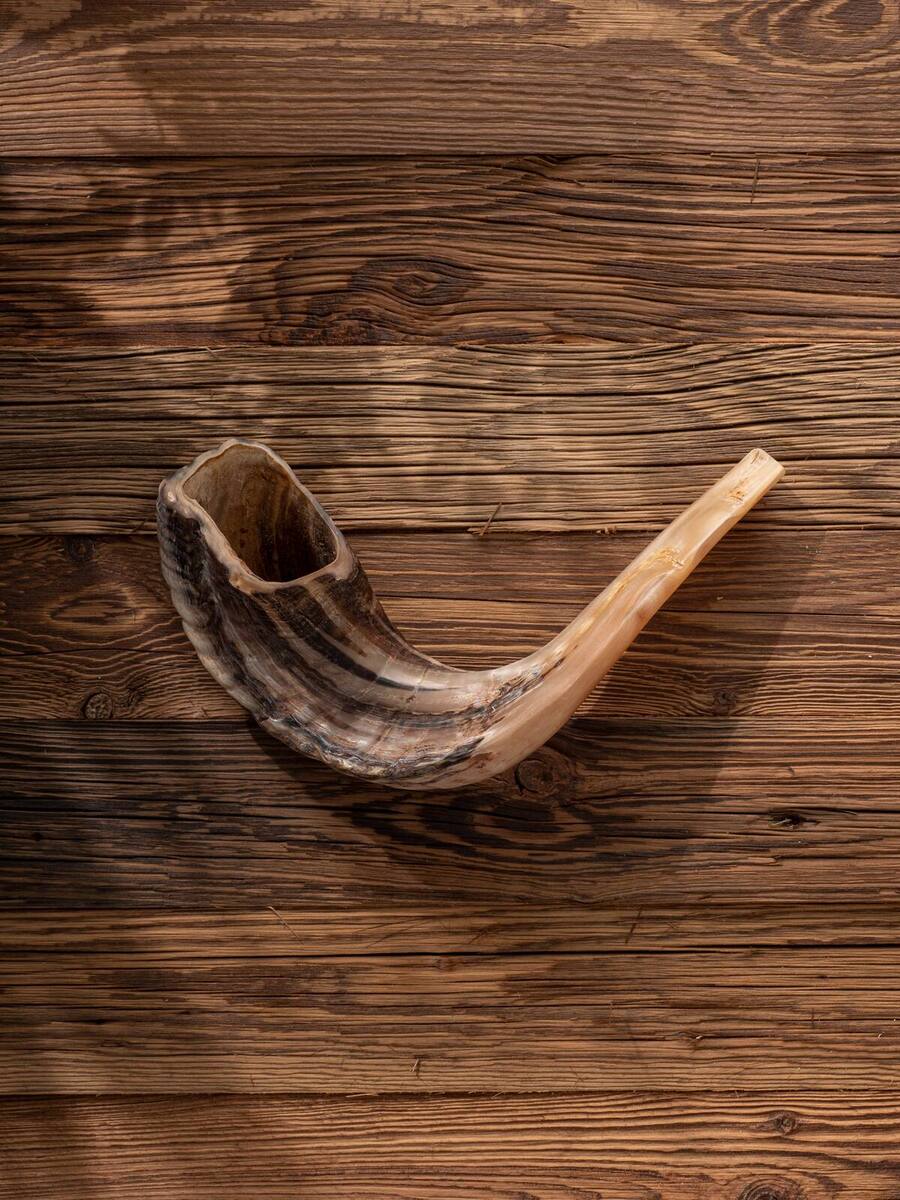
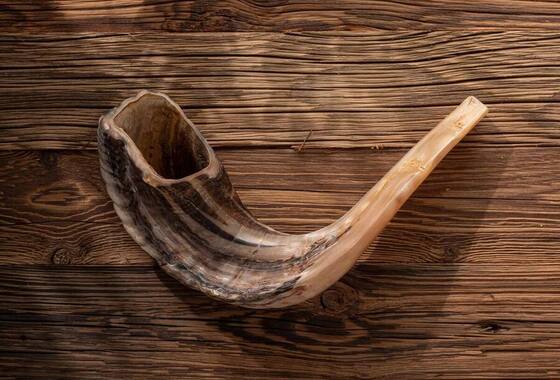
The central mitzvah is to hear the shofar, a ram's horn blown during the morning service (except when the first day falls on Shabbat), a hundred blasts in all.
Why a horn? The shofar is a cry without words. Maimonides calls it a wake-up call: "Sleepers, awake from your slumber." Chassidic teaching adds that it is the cry of the soul itself, calling to its Father like a child who has no words, only a voice. You need no Hebrew for this mitzvah; you only need to be in the room and listen. If you can come for one thing, come for the shofar. Many communities arrange a later shofar blowing for those who could not come; call the Rabbi if you need to hear it.
The festive meals
Both evenings begin with candle lighting and a holiday meal much like a Shabbat dinner, with Kiddush and challah. The challah is round, for a year that comes full circle, and dipped in honey. Then come the simanim, symbolic foods with a short wish each: an apple in honey for a sweet year, a pomegranate for a year full of merits, the head of a fish so that we may be "a head and not a tail." See the Rosh Hashanah simanim.
Tashlich
On the afternoon of the first day (or the second, if the first is Shabbat), we walk to water with fish in it, a creek or a pond, and say a short prayer about G-d casting our sins "into the depths of the sea." It is short, outdoors and wonderful for children. See tashlich.
Candles and greetings
Candles are lit on both evenings (on the first before sunset, on the second after nightfall from an existing flame), with the festival blessing and Shehecheyanu. See Shabbat and holiday times for Lafayette.
The greeting is "Shanah tovah" (a good year) or "Shanah tovah u'metukah" (a good and sweet year); on the first night many add "May you be written and sealed for a good year." See holiday greetings.
If you can only come for part
Come anyway. If you can be there for the shofar, that is the mitzvah itself. If you can only come for the evening meal, you will hear Kiddush and taste the apple and honey. Chassidic teaching stresses that on Rosh Hashanah G-d wants above all our heart: one sincere moment of "You are my King, and I want to be Yours" is the whole day in miniature.
Bring the kids; see Rosh Hashanah with kids. Ten days later comes Yom Kippur; see the holiday page for this year's dates and events.
In Lamorinda: Every Jew from Lafayette, Moraga and Orinda is welcome on Rosh Hashanah; no membership, no Hebrew needed. Call Rabbi Yisroel Labkowski at 925-384-7242 to hear what Chabad of Lamorinda has planned this year.
Common questions
I don't read Hebrew. Can I still take part?
Yes, fully. Chabad prayer books generally have English on every page, the rabbi explains what is happening, and hearing the shofar needs no reading at all. See your first time at synagogue.
What should I wear?
Neat and modest, as for a nice occasion. Men wear a kippah (most synagogues keep extras at the door), and many dress in their holiday best, some in white, in honor of the day.
Is Rosh Hashanah one day or two?
Two days, everywhere in the world, including Israel, each a full holiday with the shofar, meals and services.
Do I need a ticket or membership?
No membership is needed; every Jew is welcome. Call Rabbi Yisroel Labkowski at 925-384-7242 to hear what Chabad of Lamorinda has planned this year and to say you are coming.
Step by step · Part 3 of 20
The High Holidays, step by step
NextThe Binding of Isaac (Akeidah): The Story We Read on Rosh HashanahThe Binding of Isaac, or Akeidah, explained: the story, why the shofar is a ram's horn and what it asks of us. Ask Chabad of Lamorinda.All 20 parts
- The Month of Elul: How to Prepare for the High Holidays
- Selichot: The Prayers for Forgiveness Before Rosh Hashanah
- Rosh Hashanah for Beginners: Your First Jewish New Year
- The Binding of Isaac (Akeidah): The Story We Read on Rosh Hashanah
- Rosh Hashanah Simanim: Apple and Honey and the Symbolic Foods
- The Shofar: Why We Blow It on Rosh Hashanah and How to Hear It
- Unetaneh Tokef: "Who Will Live and Who Will Die" Explained
- Tashlich: The Rosh Hashanah Prayer by the Water
- The Ten Days of Repentance: Between Rosh Hashanah and Yom Kippur
- Avinu Malkeinu: Meaning of "Our Father, Our King" and When We Say It
- Shabbat Shuva: The Shabbat Between Rosh Hashanah and Yom Kippur
- Yom Kippur for Beginners: Your First Day of Atonement
- Yom Kippur With Kids: When Children Fast and How to Make the Day Meaningful
- Teshuvah: Repentance and Returning to G-d in Judaism
- Kapparot: The Custom Before Yom Kippur
- Erev Yom Kippur: Customs for the Day Before Yom Kippur
- Kol Nidre: Meaning, Time and What Happens
- The Book of Jonah: Story, Meaning and Why We Read It on Yom Kippur
- The Yom Kippur Fast: Rules, Tips and Who Is Exempt
- Neilah: The Closing Prayer of Yom Kippur and What Happens at Sunset
Questions about this, or something on your mind? Message the Rabbi or the Rebbetzin privately, or call 925-384-7242. · Email
Read next
 The Shofar: Why We Blow It on Rosh Hashanah and How to Hear ItWhat the shofar is, why it is blown on Rosh Hashanah, the meaning of its sounds, the blessing, and how to make sure you hear it.Read next →