
Learn › Shabbat & holidays › Elul and Rosh Hashanah
Rosh Hashanah Simanim: Apple and Honey and the Symbolic Foods
The symbolic foods eaten on Rosh Hashanah night, from apple dipped in honey to pomegranate and fish head, with their meanings and blessings.
Part 5 of 20 · The High Holidays, step by step
On this page · 2 min read
What the simanim areWhy we eat themThe apple and honey, step by stepOther common simanimFoods many avoidSimanim (signs) are symbolic foods eaten at the Rosh Hashanah evening meal, each paired with a short prayer for a good year. The best known is a slice of apple dipped in honey, with a prayer for "a good and sweet year."
What the simanim are
The custom goes back to the Talmud, where the sage Abaye taught that at the start of the year a person should see or eat foods that grow quickly or taste sweet, as a good sign. Over the centuries, Jewish communities added foods whose names in Hebrew or Aramaic sound like a blessing.
The simanim are not magic. They are a way of turning the first meal of the year into a prayer, reminding ourselves of what we hope for and who we are asking.
Why we eat them
Rosh Hashanah is the Day of Judgment, when G-d decides the coming year for every person. Jewish tradition teaches that the way we begin something shapes what follows. So we start the year with sweetness, optimism and trust that G-d will grant a good year.
The apple and honey, step by step
On the first night of Rosh Hashanah, after Kiddush and the blessing on the challah:
- Dip the challah in honey instead of salt. Many keep this custom from Rosh Hashanah through Hoshana Rabbah.
- Take a slice of sweet apple and dip it in honey.
- Say the blessing on the fruit: Baruch atah Ado-nai, Elo-heinu melech ha'olam, borei pri ha'etz. ("Blessed are You, L-rd our G-d, King of the universe, who creates the fruit of the tree.")
- Then say the prayer: Yehi ratzon milfanecha shetechadesh aleinu shanah tovah umetukah. ("May it be Your will to renew for us a good and sweet year.")
- Eat the apple.
Other common simanim
Many families add more foods, each with its own short "Yehi ratzon" prayer, which is printed in most Rosh Hashanah prayer books:
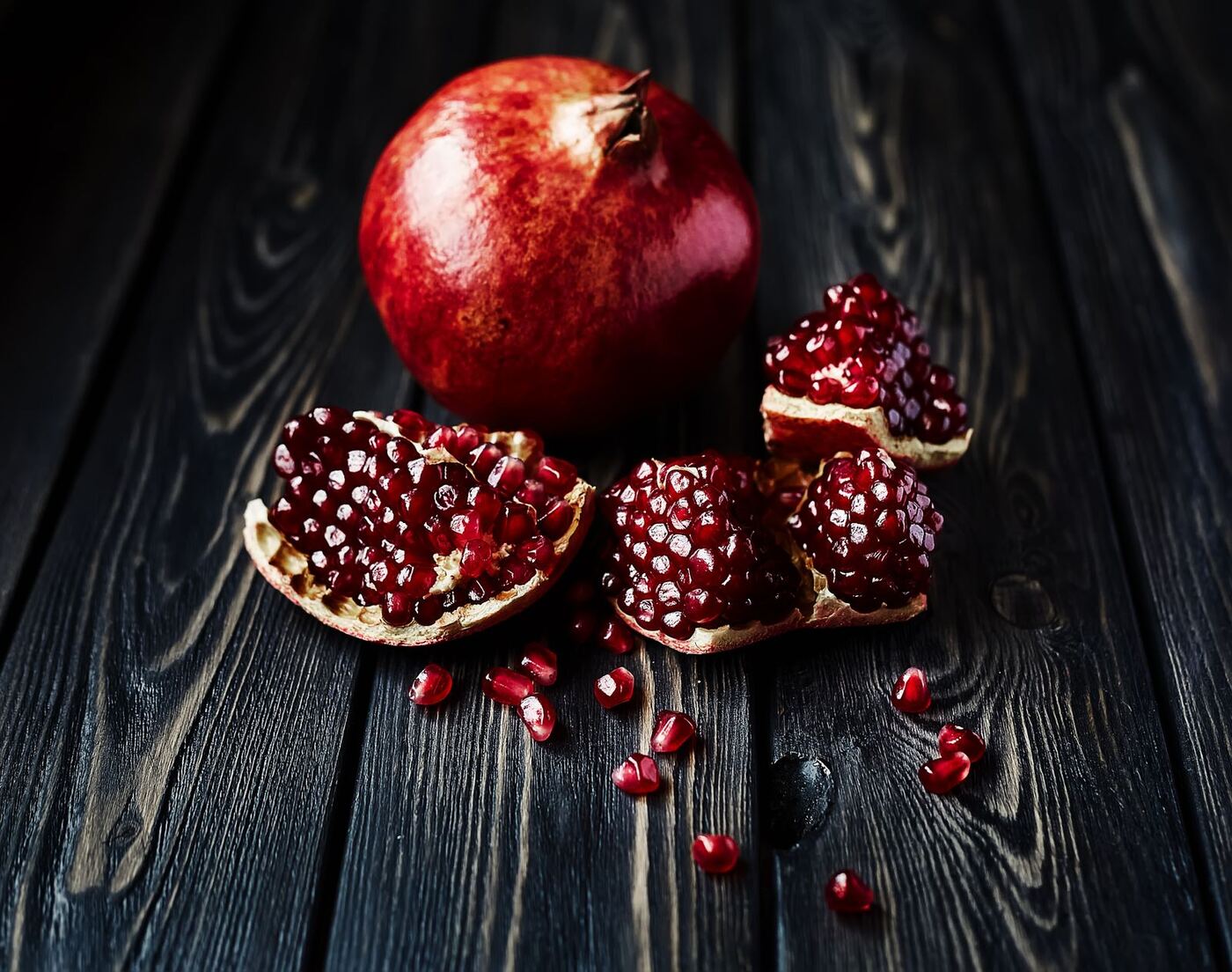
- Pomegranate: that our merits be as many as its seeds.
- Head of a fish or a ram: that we be "a head and not a tail," leaders and not followers. A ram's head also recalls the binding of Isaac.
- Carrots: in Yiddish, "meren" means both carrots and "to increase," so many serve sweet carrot tzimmes.
- Dates, beets, leeks and gourd: their Aramaic names sound like prayers that our enemies be removed and that any harsh decree be torn up.
- Fish: a sign that we multiply like fish.
Customs vary from family to family. Use what your family has always used, or start with apple and honey and add from there.
Foods many avoid
Some have the custom not to eat nuts on Rosh Hashanah, since the Hebrew word for nut, egoz, has the same numerical value as the word for sin, chet. Many also avoid very sour or bitter foods at the holiday meals.
In Lamorinda: Join us for Rosh Hashanah services and meals; see jewishlamorinda.com/forms/high-holidays or call 925-384-7242.
Common questions
Do we eat apple and honey on both nights?
The blessing with apple and honey is a custom of the first night. Many still dip challah in honey at every holiday meal through Hoshana Rabbah. A new fruit with Shehecheyanu is eaten on the second night; see our guide to Shehecheyanu.
Why do we use round challah?
A round challah reflects the cycle of the year and the hope for a full, unbroken year of blessing. Read more in our challah guide.
Can I do the simanim if I eat alone or with guests who are new to this?
Absolutely. The simanim are simple and a wonderful way to involve guests and children. Print the short prayers and let everyone take a turn.
What if Rosh Hashanah starts on Friday night?
The simanim are eaten as usual. Only the order of Kiddush changes for Shabbat. Ask the Rabbi if you have questions about your table.
Step by step · Part 5 of 20
The High Holidays, step by step
NextThe Shofar: Why We Blow It on Rosh Hashanah and How to Hear ItWhat the shofar is, why it is blown on Rosh Hashanah, the meaning of its sounds, the blessing, and how to make sure you hear it.All 20 parts
- The Month of Elul: How to Prepare for the High Holidays
- Selichot: The Prayers for Forgiveness Before Rosh Hashanah
- Rosh Hashanah for Beginners: Your First Jewish New Year
- The Binding of Isaac (Akeidah): The Story We Read on Rosh Hashanah
- Rosh Hashanah Simanim: Apple and Honey and the Symbolic Foods
- The Shofar: Why We Blow It on Rosh Hashanah and How to Hear It
- Unetaneh Tokef: "Who Will Live and Who Will Die" Explained
- Tashlich: The Rosh Hashanah Prayer by the Water
- The Ten Days of Repentance: Between Rosh Hashanah and Yom Kippur
- Avinu Malkeinu: Meaning of "Our Father, Our King" and When We Say It
- Shabbat Shuva: The Shabbat Between Rosh Hashanah and Yom Kippur
- Yom Kippur for Beginners: Your First Day of Atonement
- Yom Kippur With Kids: When Children Fast and How to Make the Day Meaningful
- Teshuvah: Repentance and Returning to G-d in Judaism
- Kapparot: The Custom Before Yom Kippur
- Erev Yom Kippur: Customs for the Day Before Yom Kippur
- Kol Nidre: Meaning, Time and What Happens
- The Book of Jonah: Story, Meaning and Why We Read It on Yom Kippur
- The Yom Kippur Fast: Rules, Tips and Who Is Exempt
- Neilah: The Closing Prayer of Yom Kippur and What Happens at Sunset
Questions about this, or something on your mind? Message the Rabbi or the Rebbetzin privately, or call 925-384-7242. · Email
Read next
 Rosh Hashanah for Beginners: Your First Jewish New YearNew to Rosh Hashanah? What the day means, why we hear the shofar, the festive meals, tashlich, greetings and how to make it meaningful.Read next →