
Learn › Shabbat & holidays › The Shabbat table and meals
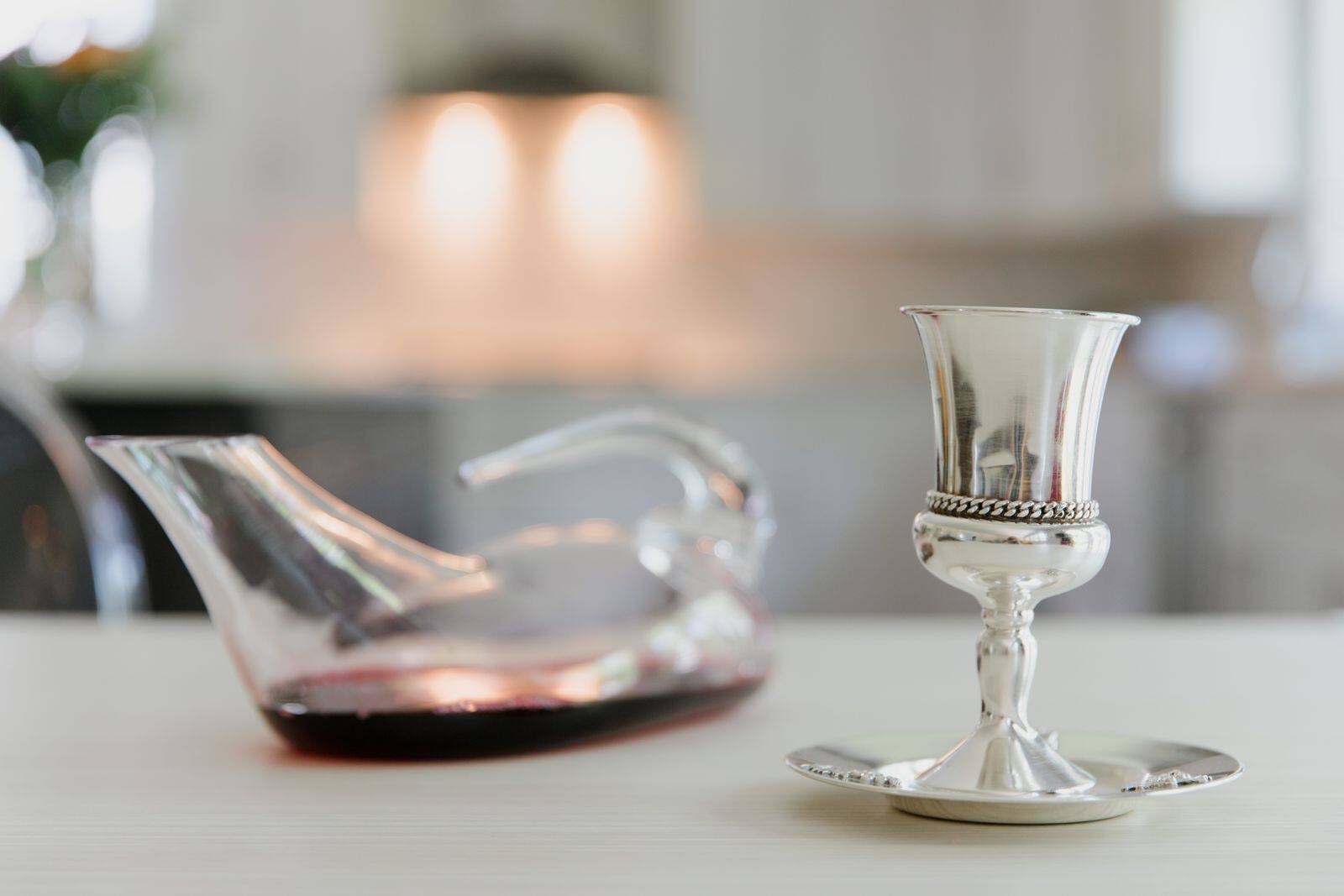
Kiddush: How to Make Kiddush on Shabbat and Holidays
What Kiddush is, how to say it over wine on Friday night and Shabbat day, the blessing in English, and what to do if you do not drink wine.
Part 12 of 23 · Shabbat, step by step
On this page · 2 min read
What Kiddush meansWhat you needHow to make Kiddush on Friday night, step by stepThe blessing over wineWho makes KiddushKiddush is the blessing over a cup of wine or grape juice that begins the Shabbat and holiday meals. It fulfills the Torah's command to "remember the Shabbat day to keep it holy" by declaring out loud that this day is sacred.
What Kiddush means
Kiddush (קִידּוּשׁ) means "sanctification." The Torah tells us to remember Shabbat, and the Sages explain that this means saying words that mark the day as holy. They instituted saying these words over wine, a drink that brings joy and is used for important moments in Jewish life.
There are two Kiddushes:
- Friday night Kiddush is the main one, said before the evening meal. It includes the Torah verses about G-d finishing creation (Vayechulu), the blessing over wine and a blessing on the holiness of Shabbat.
- Shabbat day Kiddush is said before the lunch meal. It is shorter: a few verses about Shabbat followed by the blessing over wine.
Holidays have their own Kiddush text, which you can find in any siddur or holiday prayer book.
What you need
- Wine or grape juice. Kosher wine or grape juice is required.
- A cup that holds at least a revi'it, roughly 3 to 5 ounces depending on the opinion. A standard Kiddush cup is fine.
- Challah on the table, covered with a cloth while Kiddush is said.
- A siddur or Kiddush card with the text.
How to make Kiddush on Friday night, step by step
- After candle lighting and evening prayers, gather at the table.
- Cover the challah.
- Fill the cup to the top. Some add a few drops of water.
- Hold the cup in your right hand (left if you are left-handed), and stand or sit according to your family custom.
- Read the Kiddush text. Everyone listening answers "Amen" after each blessing.
- The person making Kiddush drinks most of a cheekful, ideally most of the cup, while sitting.
- Pour a little for everyone else at the table.
- Then wash hands and say Hamotzi over the challah.
The blessing over wine
Hebrew: בָּרוּךְ אַתָּה ה' אֱלֹקֵינוּ מֶלֶךְ הָעוֹלָם, בּוֹרֵא פְּרִי הַגָּפֶן
Transliteration: Baruch atah Ado-nai, Elo-heinu melech ha'olam, borei p'ri hagafen.
Translation: Blessed are You, L-rd our G-d, King of the universe, who creates the fruit of the vine.
On Friday night, a second, longer blessing follows, ending "Baruch atah Ado-nai, m'kadesh haShabbat," "Blessed are You, L-rd, who sanctifies Shabbat."
Who makes Kiddush
Men and women are equally obligated in Kiddush. Usually one person says it on behalf of everyone, and the listeners fulfill the mitzvah by listening carefully and answering "Amen." Children love to say it too, which is a wonderful way to teach them.
In Lamorinda: We can help you learn to make Kiddush, give you a printed Kiddush text, and welcome you to Kiddush at our Shabbat services. Call 925-384-7242.
Common questions
Can I make Kiddush on grape juice?
Yes. Kosher grape juice is fully acceptable for Kiddush, and many families use it, especially for children or anyone who prefers not to drink alcohol.
What if I do not have wine or grape juice?
On Friday night, you may make Kiddush over the two challah loaves, saying Hamotzi instead of the wine blessing. On Shabbat day, other drinks can sometimes be used. Ask the Rabbi for the details.
Why do we cover the challah during Kiddush?
Normally bread's blessing comes before wine's, so we cover the challah to "spare its feelings" while it waits. This teaches sensitivity to others' feelings. It also recalls the manna in the desert, which was covered by dew above and below.
Do I have to eat a meal after Kiddush?
Yes. Kiddush must be followed by a meal in the same place. On Shabbat morning, a snack of cake or crackers counts, which is why synagogues offer a "Kiddush" after services.
Can I hear Kiddush in synagogue instead of at home?
On Friday night, the Kiddush said in synagogue is a custom, and each household still makes its own Kiddush before the meal. If you will eat at someone else's table, you can fulfill the mitzvah through their Kiddush.
Step by step · Part 12 of 23
Shabbat, step by step
NextKiddush Without Wine: Grape Juice and Alcohol-Free OptionsCan you make Kiddush on grape juice? Yes. Options for those who do not drink alcohol, for Friday night, Shabbat morning, Havdalah and the four cups.All 23 parts
- Shabbat for Beginners: How to Start Keeping Shabbat
- Getting Ready for Shabbat: A Friday Checklist
- Setting the Shabbat Table: Candles, Two Challahs, Kiddush Cup and Salt
- What to Wear on Shabbat and to Synagogue: Dress for Shabbat Explained
- How to Keep Food Warm on Shabbat: The Blech, Hot Plate and Urn
- Shabbat Candles: How and When to Light, With the Blessing
- Early Shabbat in Summer: Why Kabbalat Shabbat Can Start Before Sunset
- Friday Night Dinner, Step by Step: Your First Shabbat Meal at Home
- Kabbalat Shabbat: Welcoming Shabbat on Friday Night
- Lecha Dodi: Meaning, Author and Why We Turn to Welcome Shabbat
- Shalom Aleichem: The Friday Night Song Welcoming the Angels
- Kiddush: How to Make Kiddush on Shabbat and Holidays
- Kiddush Without Wine: Grape Juice and Alcohol-Free Options
- Hamotzi: The Blessing Over Bread in Hebrew and English
- The Three Shabbat Meals: Customs, Order and What to Serve
- An Easy Shabbat Dinner Menu: Five Simple Courses You Can Make Friday
- How to Share a Short Torah Thought at Your Shabbat Table
- Shabbat Table Songs (Zemirot): Singing at the Shabbat Meal
- Shabbat Day: From Morning Services to the Last Light
- Seudah Shlishit: The Third Shabbat Meal
- The 39 Melachot: What Counts as Work on Shabbat
- Techum Shabbat: How Far May You Walk on Shabbat?
- Havdalah: How to End Shabbat With Wine, Spices and Flame
Questions about this, or something on your mind? Message the Rabbi or the Rebbetzin privately, or call 925-384-7242. · Email
Read next
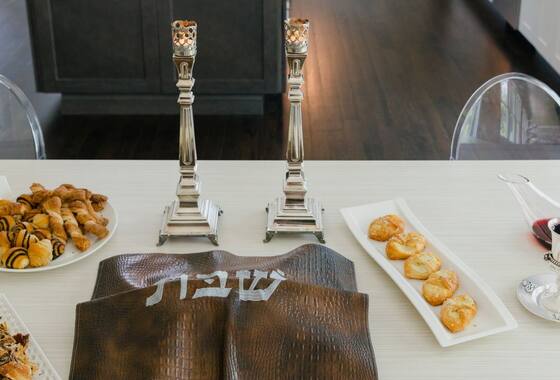 Shabbat: What It Is and How to Celebrate ItA plain-English guide to Shabbat, the Jewish day of rest: what it means, when it starts and ends, and how to celebrate it at home step by step.Read next →