
Learn › Shabbat & holidays › Shabbat: getting started
Havdalah: How to End Shabbat With Wine, Spices and Flame
A step-by-step guide to Havdalah, the ceremony that ends Shabbat: when to say it, what you need, and the four blessings in English.
Part 23 of 23 · Shabbat, step by step
On this page · 2 min read
What Havdalah meansWhen to make HavdalahWhat you needHow to make Havdalah, step by stepWhy spices and fire?Havdalah is the short ceremony on Saturday night that ends Shabbat and begins the new week. It uses a cup of wine, fragrant spices and a braided candle, and takes just a few minutes.
What Havdalah means
Havdalah (הַבְדָּלָה) means "separation." Just as we welcome Shabbat with Kiddush, we say goodbye to it with Havdalah, which separates the holy day from the ordinary week. It helps us carry some of Shabbat's peace and holiness into the days ahead.
When to make Havdalah
Shabbat ends on Saturday night when three stars appear, roughly 40 to 50 minutes after sunset depending on location and season. Check the time on our Shabbat page. Until you hear or say Havdalah, do not eat or drink (except water). If you missed it on Saturday night, ask the Rabbi, since parts of Havdalah may still be said until Tuesday afternoon.
What you need
- A cup of wine or grape juice. Fill it to the top, even letting it overflow a little, as a sign of blessing.
- Spices (besamim), such as cloves or cinnamon, in a spice box.
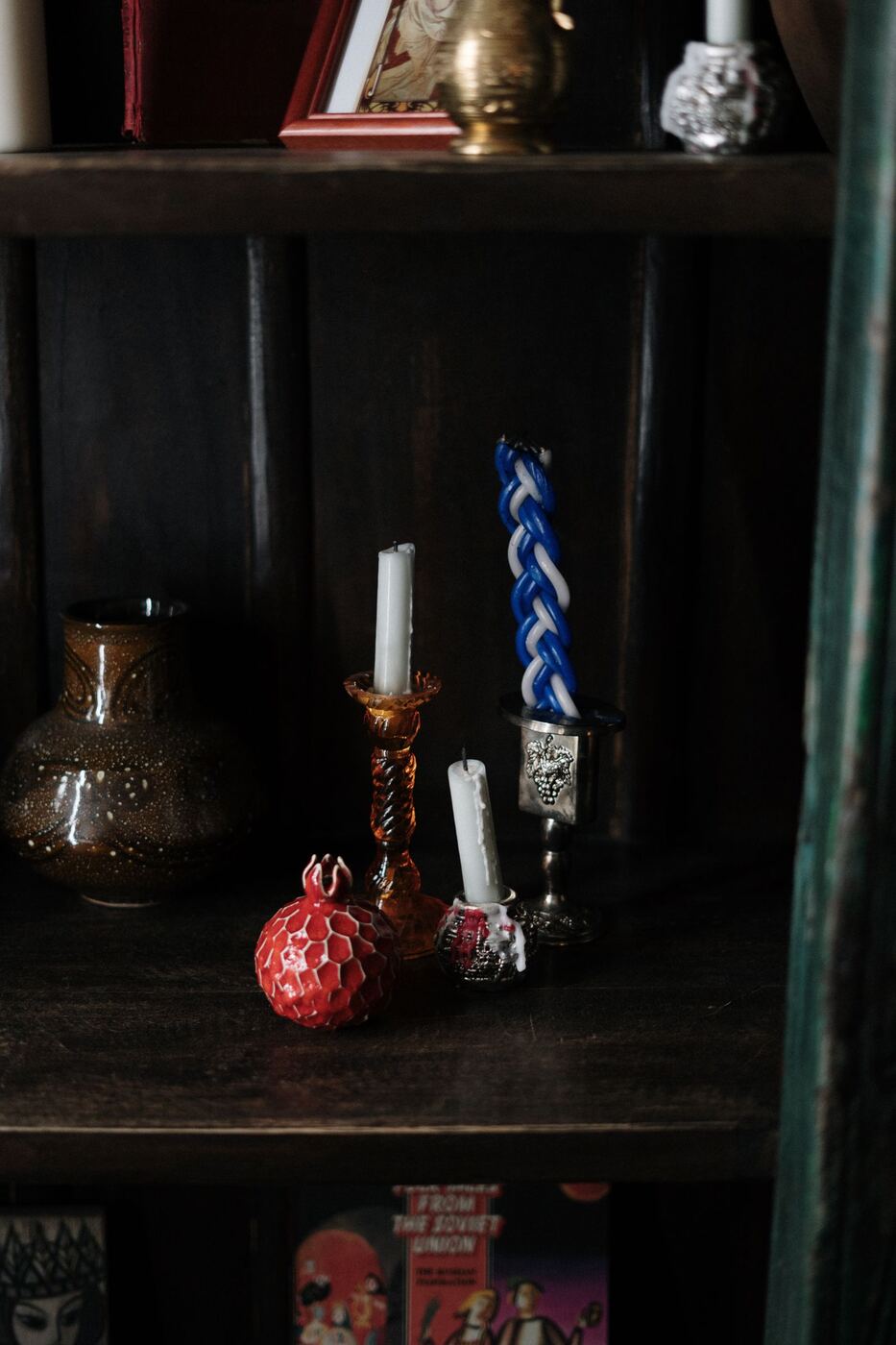
- A Havdalah candle with at least two wicks braided together, or two candles held together so the flames touch.
How to make Havdalah, step by step
- Light the Havdalah candle, and have someone hold it.
- Hold the cup in your right hand and say the opening verses ("Hinei El yeshuati...") found in the siddur.
- Blessing on the wine:
Baruch atah Ado-nai, Elo-heinu melech ha'olam, borei p'ri hagafen. "Blessed are You, L-rd our G-d, King of the universe, who creates the fruit of the vine." Put the cup down.
- Blessing on the spices:
Baruch atah Ado-nai, Elo-heinu melech ha'olam, borei minei v'samim. "Blessed are You, L-rd our G-d, King of the universe, who creates various kinds of spices." Smell the spices and pass them around.
- Blessing on the flame:
Baruch atah Ado-nai, Elo-heinu melech ha'olam, borei m'orei ha'eish. "Blessed are You, L-rd our G-d, King of the universe, who creates the lights of fire." Hold your fingers up toward the flame and look at the light reflected on your fingernails.
- The Havdalah blessing: Pick up the cup again and say the final blessing, which ends:
Baruch atah Ado-nai, hamavdil bein kodesh l'chol. "Blessed are You, L-rd, who separates between holy and ordinary."
- Drink most of the cup while sitting.
- Put out the candle by dipping it in leftover wine poured into a dish.
- Wish everyone "Shavua Tov," a good week.
Why spices and fire?
Our Sages teach that on Shabbat each Jew receives an "extra soul," and when it departs we feel a little faint. The pleasant smell of the spices comforts and revives us. The flame recalls that fire was first made by Adam on the first Saturday night, and it marks the start of the work week, since fire may be kindled again.
In Lamorinda: We can help you get a Havdalah set and learn the blessings, and you are welcome to join Havdalah with us. Call 925-384-7242.
Common questions
Can I make Havdalah without wine?
Yes. Grape juice is fine. If you have neither, certain other important drinks can be used in some cases. Ask the Rabbi.
Is Havdalah said after holidays too?
Yes, but after a holiday that falls on a weekday, Havdalah is said over wine alone, without spices or the candle. When a holiday begins right on Saturday night, a special form of Havdalah is included in Kiddush.
Can women make Havdalah?
Women are obligated in Havdalah just like men. Usually one person says it for the household, and everyone listening answers "Amen" and fulfills the mitzvah.
Why do we look at our fingernails?
A blessing on light should be said when we can benefit from it. Looking at the light on our nails, and the shadow on our palms, shows we can tell things apart by its light.
Step by step · Part 23 of 23
Shabbat, step by step
You have reached the end of this series.
All 23 parts
- Shabbat for Beginners: How to Start Keeping Shabbat
- Getting Ready for Shabbat: A Friday Checklist
- Setting the Shabbat Table: Candles, Two Challahs, Kiddush Cup and Salt
- What to Wear on Shabbat and to Synagogue: Dress for Shabbat Explained
- How to Keep Food Warm on Shabbat: The Blech, Hot Plate and Urn
- Shabbat Candles: How and When to Light, With the Blessing
- Early Shabbat in Summer: Why Kabbalat Shabbat Can Start Before Sunset
- Friday Night Dinner, Step by Step: Your First Shabbat Meal at Home
- Kabbalat Shabbat: Welcoming Shabbat on Friday Night
- Lecha Dodi: Meaning, Author and Why We Turn to Welcome Shabbat
- Shalom Aleichem: The Friday Night Song Welcoming the Angels
- Kiddush: How to Make Kiddush on Shabbat and Holidays
- Kiddush Without Wine: Grape Juice and Alcohol-Free Options
- Hamotzi: The Blessing Over Bread in Hebrew and English
- The Three Shabbat Meals: Customs, Order and What to Serve
- An Easy Shabbat Dinner Menu: Five Simple Courses You Can Make Friday
- How to Share a Short Torah Thought at Your Shabbat Table
- Shabbat Table Songs (Zemirot): Singing at the Shabbat Meal
- Shabbat Day: From Morning Services to the Last Light
- Seudah Shlishit: The Third Shabbat Meal
- The 39 Melachot: What Counts as Work on Shabbat
- Techum Shabbat: How Far May You Walk on Shabbat?
- Havdalah: How to End Shabbat With Wine, Spices and Flame
Questions about this, or something on your mind? Message the Rabbi or the Rebbetzin privately, or call 925-384-7242. · Email
Read next
 Shabbat: What It Is and How to Celebrate ItA plain-English guide to Shabbat, the Jewish day of rest: what it means, when it starts and ends, and how to celebrate it at home step by step.Read next →