
Learn › Prayer & Torah › Jewish prayer: first steps
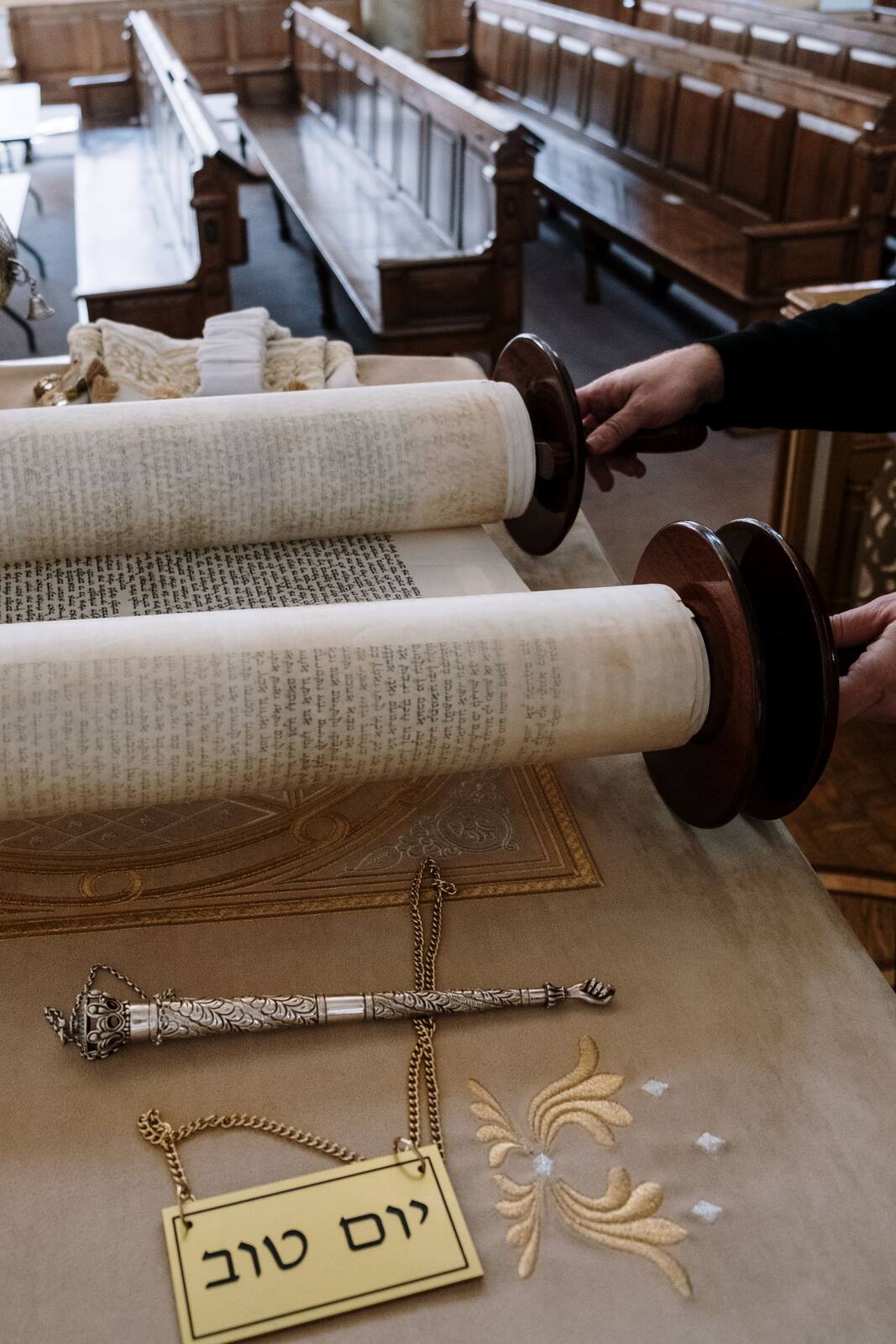
What Does Amen Mean? Why and When Jews Say Amen
What Amen means in Hebrew, why Jews answer it after blessings and prayers, and how to teach children to say it. Ask us in Lafayette.
On this page · 2 min read
What Amen meansAmen as a hidden prayerWhen do we say Amen?Why Amen matters so muchTeaching children to say AmenAmen (אָמֵן) is a Hebrew word that means "true" or "so be it," and Jews say it in response to a blessing or prayer they hear, to affirm it and make it their own. It shares a root with emunah (אמונה), faith, so saying Amen is a quiet declaration: "I believe, and I agree."
What Amen means
The Talmud (Shavuot 36a) gives three intentions in the word: an oath, accepting a statement, and confirming that it is faithful and true. After a blessing of praise, Amen says, "That is true." After a request, Amen says, "May it be affirmed and speedily fulfilled." Ideally, we have both thoughts in mind together.
The letters of Amen share a root with emunah, belief or trust. Saying it is an act of faith, in one word.
Amen as a hidden prayer
Amen is also read as an acronym: El Melech Ne'eman (אל מלך נאמן), "G-d, faithful King." The Talmud (Shabbat 119b) teaches that one should draw out the word for as long as it takes to say those three words. That is why a good Amen is not rushed.
When do we say Amen?
You answer Amen after hearing a blessing or prayer said by someone else, including requests addressed to G-d. A few examples:
- After someone makes a blessing on food, or the blessing over the wine at Kiddush. See blessings.
- After the prayer leader's blessings in the synagogue, including the repetition of the Amidah. This is why the prayer leader repeats the Amidah aloud with a minyan: so that the congregation can answer Amen.
- After a blessing for a person who is sick, or a request on behalf of someone.
- In the Kaddish, where the congregation answers "Amen, yehei shmei rabbah," "Amen, may His great Name be blessed."
In ancient courts, a person who answered Amen to an oath was considered to have sworn it himself. That shows how serious the word is.
Why Amen matters so much
The Talmud (Berachot 53b) teaches that the one who answers Amen is in some ways greater than the one who made the blessing. By listening and answering, you take a full part in someone else's prayer.
The Talmud also teaches that answering Amen with proper concentration opens the gates of Gan Eden and nullifies harsh decrees. Some explain that answering "Amen, yehei shmei rabbah" in Kaddish is connected with nullifying negative decrees. Few words are given such power.
Teaching children to say Amen
Children can answer Amen long before they can read. Many parents in Lafayette, Moraga and Orinda teach it first:
- Say a blessing slowly at the Shabbat table, and let your child answer Amen.
- Let children answer Amen after the candle-lighting blessing and after Kiddush.
- Praise the child warmly: "You made my blessing complete."
Do not worry about perfect pronunciation. A child's Amen is a gift to everyone listening. For more kids' ideas, visit the kids' corner.
In Lamorinda: Come answer Amen with a community that loves to hear it. Call Rabbi Labkowski at 925-384-7242.
Common questions
What does Amen mean in Hebrew?
Amen means "true" or "so be it." It affirms a blessing or prayer that someone else has said, and it shares a root with emunah, faith.
Why do Jews say Amen after a blessing?
Saying Amen means "I believe this is true" and joins you to the prayer. The Talmud teaches that the one who answers is in some ways greater than the one who made the blessing.
What does Amen stand for?
It is read as an acronym for El Melech Ne'eman, "G-d, faithful King." The Talmud teaches drawing out the Amen for as long as it takes to say those words.
Do you say Amen to your own blessing?
Amen is a response to what you hear from someone else. Whether to say it after your own blessing is a question for the Rabbi.
What is "Amen, yehei shmei rabbah"?
It is the congregation's answer in the Kaddish: "Amen, may His great Name be blessed." Answering it with focus is connected with canceling harsh decrees.
Can children say Amen?
Yes. Children can learn to answer Amen very young, and it is a lovely way to include them in blessings.
Take the next step
- Join us for a Shabbat meal where Amen is answered together: sign up for a Shabbat meal.
- Read about blessings, or learn Hebrew words in Hebrew phrases.
- Say hello at our welcome page.
Questions about this, or something on your mind? Message the Rabbi or the Rebbetzin privately, or call 925-384-7242. · Email
Read next
 Jewish Blessings Over Food: Which Bracha to Say and WhenA simple guide to Jewish blessings (brachot): the six blessings before food, the blessings after eating, Shehecheyanu, and how to say them.Read next →