
Learn › Prayer & Torah › Blessings (brachot)
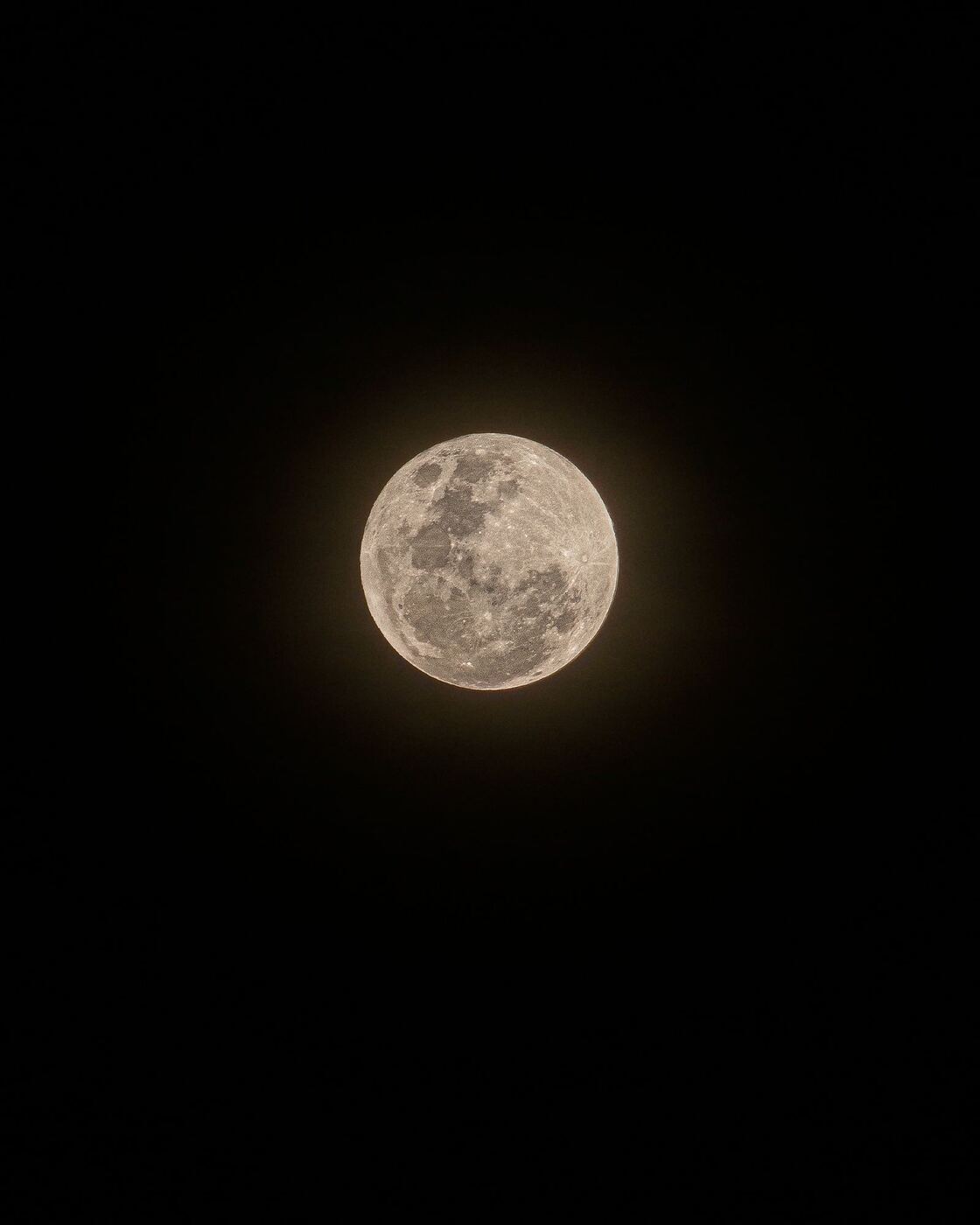
Kiddush Levana: The Blessing of the New Moon
What Kiddush Levana is, when and where to say the monthly blessing on the moon, the order of the prayer, and its meaning.
On this page · 2 min read
What it isWhen to say itWhere and howWho says itKiddush Levana, "sanctification of the moon," is a blessing said once a month outdoors at night, while looking at the new moon as it grows. We thank G-d for the order of creation and the renewal of the moon, which the Jewish people see as a symbol of their own renewal.
What it is
The Jewish calendar follows the moon. Each month the moon disappears and is reborn, and the Talmud teaches that greeting the new moon at its proper time is like greeting the Divine Presence. For this reason, the blessing is said with joy, standing, and ideally in a group.
The moon is a symbol of the Jewish people: even when it seems to disappear, it always returns and grows again. So too, the Jewish people endure every exile and look forward to full redemption.
When to say it
- Start: Chabad and many others follow the Kabbalistic custom of waiting until seven full days after the molad, the moment of the new moon. Others begin after three days.
- End: until the middle of the month, around the 14th or 15th, when the moon begins to wane. The exact time can be found in a Jewish calendar or asked of the Rabbi.
- Best time: on Saturday night (Motzei Shabbat), when people are still in festive clothing and good spirits.
- Exceptions: in the month of Tishrei it is said after Yom Kippur, and in Av after Tisha B'Av. It is not said on Friday night or on a holiday night.
Where and how
- Go outside, under the open sky. The moon must be visible, not completely hidden by clouds.
- Look at the moon while you say the blessing.
- Stand with feet together, as in the Amidah.
- Say the opening psalm (Psalm 148) and then the blessing, which praises G-d "who with His word created the heavens" and who set the moon on its cycle.
- Say the verses that follow, including "Baruch yotzrech" ("Blessed is your Maker") several times, rising on the toes during a verse that speaks of reaching upward.
- Sing "David melech Yisrael chai vekayam," "David, King of Israel, lives and endures," a reference to the coming of Moshiach.
- Greet three people with "Shalom aleichem," and they answer "Aleichem shalom."
- Conclude with the remaining passages printed in the prayer book.
The full text appears in every siddur after the Saturday night prayers. See our siddur guide.
Who says it
The custom is for men and boys to say Kiddush Levana. It is ideally said with a minyan, but can be said alone if needed. Women traditionally do not say it, following a custom recorded by the Kabbalists, although women have a special connection to the new month through Rosh Chodesh.
In Lamorinda: Join us for prayers and learn more about the Jewish calendar; call Rabbi Labkowski at 925-384-7242 or see jewishlamorinda.com/events.
Common questions
What if it is cloudy all week?
If the moon cannot be seen clearly, the blessing is not said. Keep checking until the deadline in the middle of the month. If you miss it, there is no make-up; try again next month.
Can I say it from inside through a window?
The custom is to go outdoors. If that is impossible, for example for someone who is ill, ask the Rabbi.
Why do we say "Shalom aleichem" to each other?
After a moment of joyful connection with G-d, we turn to each other with peace and love. It also expresses the hope for peace among all Jews.
Why is it connected to Moshiach?
The moon's renewal symbolizes the renewal of the Jewish people and of the kingdom of David. Read more in our guide to Moshiach.
Questions about this, or something on your mind? Message the Rabbi or the Rebbetzin privately, or call 925-384-7242. · Email
Read next
 Rosh Chodesh: Celebrating the Jewish New MonthWhat Rosh Chodesh is, why the new moon matters, how it is celebrated with prayers and customs, and its special connection to women.Read next →