
Learn › Prayer & Torah › The synagogue and its services
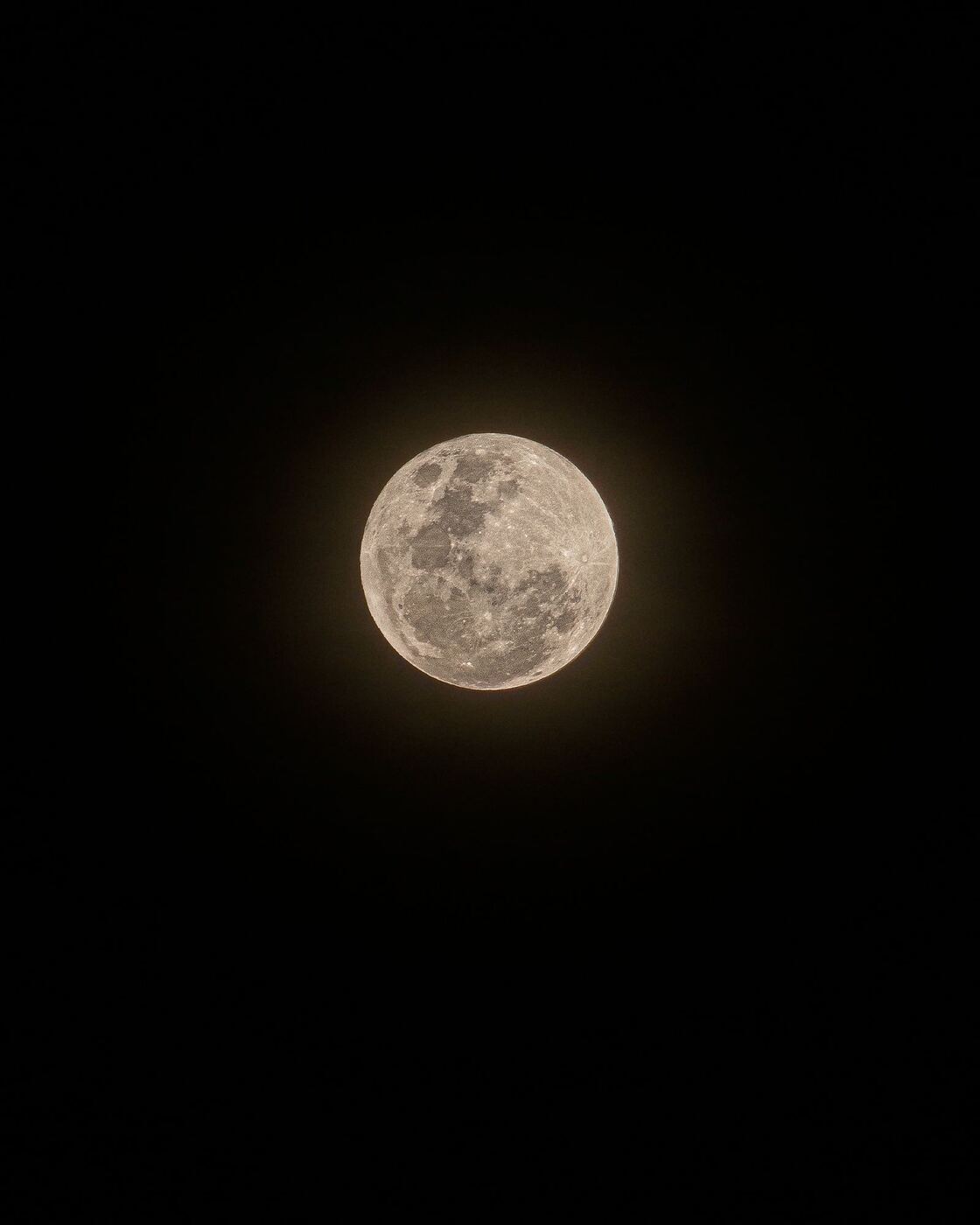
Birkat Hachodesh: Blessing the New Month on Shabbat Mevarchim
What Birkat Hachodesh is, when the new month is blessed in synagogue, the molad announcement, and Chabad customs of Shabbat Mevarchim.
On this page · 2 min read
What it is and why we say itWhen it is saidThe order of the prayerChabad customs of Shabbat MevarchimBirkat Hachodesh, the "blessing of the month," is a prayer said in synagogue on the Shabbat before Rosh Chodesh, announcing when the new Hebrew month begins and asking G-d for a month of blessing. This Shabbat is called Shabbat Mevarchim, "the Shabbat of blessing."
What it is and why we say it
In ancient times, the new month was declared by the Sanhedrin, the high court in Jerusalem, after witnesses saw the new moon. Today we use a fixed calendar, but we still announce the new month publicly so everyone knows when Rosh Chodesh falls.
Chassidic teaching adds that Shabbat Mevarchim is the source of blessing for the whole coming month. Just as Shabbat blesses the days of the week, Shabbat Mevarchim blesses the month ahead.
When it is said
- On the Shabbat before Rosh Chodesh, after the Torah reading and haftarah, before the Torah is returned to the ark.
- It is said every month except before Rosh Hashanah. The month of Tishrei is not announced, because G-d Himself "blesses" it, and in turn that gives us the strength to bless the other months.
The order of the prayer
- Announcing the molad. The cantor or gabbai announces the molad, the calculated moment the new moon is "born," in days, hours and chalakim (parts of an hour).
- Yehi ratzon. In many communities (but not the Chabad custom, which goes straight to the next step), a prayer that the coming month bring "life, peace, goodness, blessing, sustenance, physical health" and more. The text comes from a personal prayer of the Talmudic sage Rav.
- Mi she'asah nissim. "He who performed miracles for our ancestors" and redeemed them from slavery, may He redeem us soon.
- The announcement. Holding the Torah scroll, the cantor declares the name of the new month and the day or days on which Rosh Chodesh falls, and the congregation repeats.
- Closing blessing. A final prayer that the month bring life and peace, joy, salvation and comfort.
Chabad customs of Shabbat Mevarchim
Chabad custom, much of it set by the Previous Rebbe, Rabbi Yosef Yitzchak Schneersohn, includes:
- The entire Book of Psalms is recited before the morning prayers, often in the synagogue together. See our Tehillim guide.
- A farbrengen, a Chassidic gathering with stories, songs and inspiration, is held during the day.
Many people make Shabbat Mevarchim a time to plan their goals for the month ahead.
In Lamorinda: Join us for Shabbat services and say Tehillim with us; see jewishlamorinda.com/shabbat or call 925-384-7242.
Common questions
What is the molad?
The molad is the average moment of the new moon according to the fixed Jewish calendar. It is announced so everyone knows when the new month begins and when to say Kiddush Levana.
Is Birkat Hachodesh the same as Rosh Chodesh?
No. Birkat Hachodesh is the announcement on the Shabbat before. Rosh Chodesh is the first day (or two days) of the new month itself.
Why do we stand?
We stand to recall the Sanhedrin, whose members stood when declaring the new month.
Can I say the entire Tehillim at home?
Yes. If you cannot come to synagogue early, read it at home before praying. You can also follow along with our Tehillim page.
Questions about this, or something on your mind? Message the Rabbi or the Rebbetzin privately, or call 925-384-7242. · Email
Read next
 Rosh Chodesh: Celebrating the Jewish New MonthWhat Rosh Chodesh is, why the new moon matters, how it is celebrated with prayers and customs, and its special connection to women.Read next →