
Learn › Jewish ideas › Hebrew, Yiddish and Jewish symbols
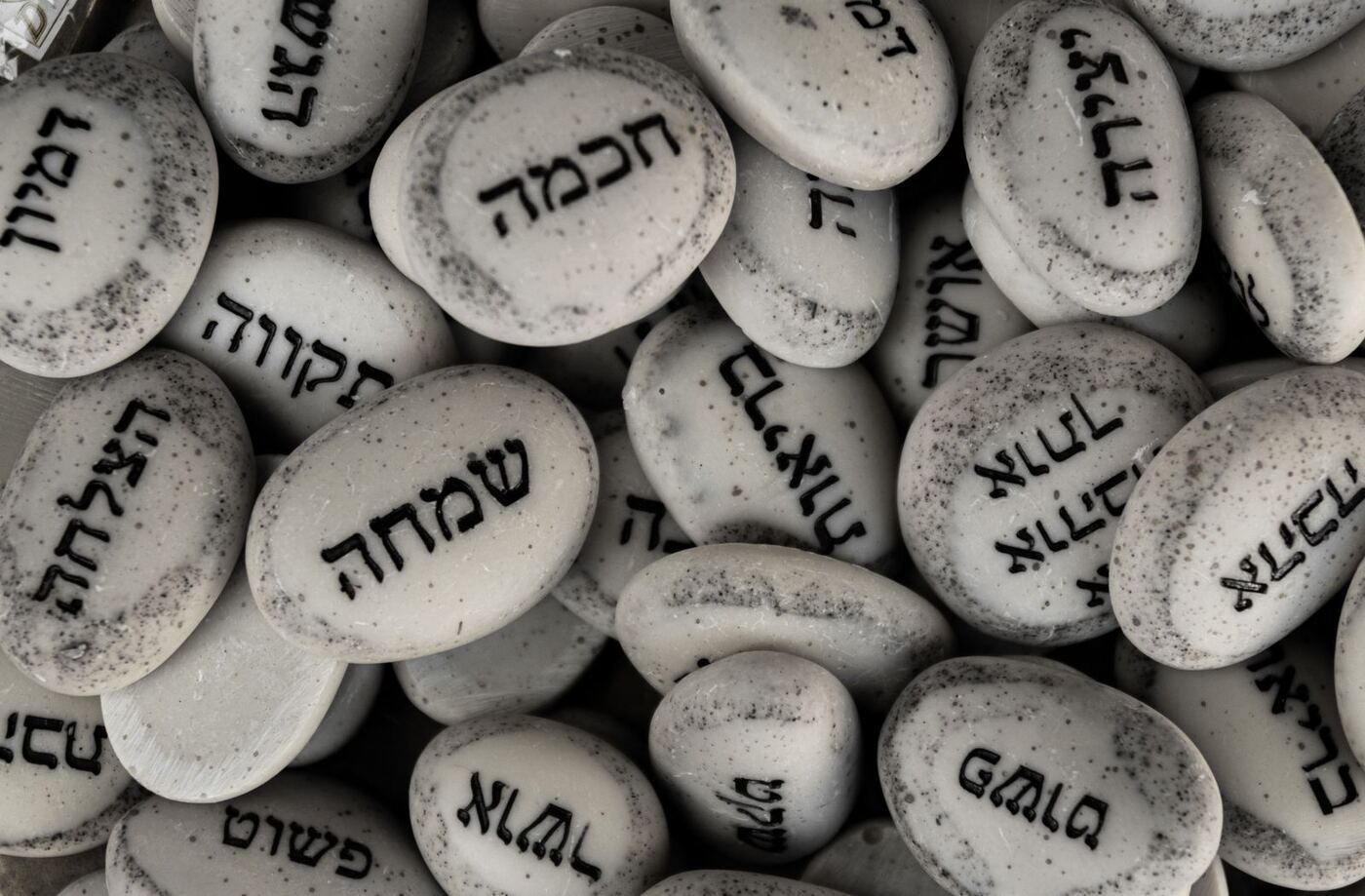
Common Hebrew and Yiddish Phrases and When to Say Them
Everyday Jewish phrases explained: Shabbat Shalom, Mazal Tov, Baruch Hashem, B'ezrat Hashem, Refuah Shleimah, L'chaim, Shana Tova and more.
On this page · 2 min read
Greetings for Shabbat and holidaysCelebrations and blessingsTalking about G-d in daily lifeHealth and hard timesEveryday wordsA handful of Hebrew and Yiddish phrases come up again and again in Jewish life, from "Shabbat Shalom" on Friday to "Mazal Tov" at every celebration. Knowing what they mean, and when to say them, helps anyone feel at home in a synagogue, at a Shabbat table or at a simcha.
Greetings for Shabbat and holidays
- Shabbat Shalom (shah-BAHT shah-LOHM): "a peaceful Shabbat." Said from Friday afternoon through Saturday.
- Gut Shabbos (goot SHAH-bus): Yiddish for "good Shabbat," the same greeting, common in Chabad and Ashkenazi communities.
- Shavua Tov (shah-VOO-ah tov): "a good week," said after Shabbat ends on Saturday night. In Yiddish, "a gut voch."
- Chag Sameach (chahg sah-MAY-ach): "happy holiday," for Passover, Shavuot and Sukkot. In Yiddish, "Gut Yom Tov."
- Shana Tova (shah-NAH toe-VAH): "a good year," said around Rosh Hashanah. The full wish is "Shana tova u'metuka," a good and sweet year.
- G'mar Chatimah Tovah: "may you be sealed for good," said around Yom Kippur.
Celebrations and blessings
- Mazal Tov (MAH-zahl tov): "congratulations." Said for a birth, bar or bat mitzvah, engagement, wedding or any good news.
- L'chaim (leh-CHAI-im): "to life!" The toast when raising a glass. See chai.
- B'sha'ah Tovah: "in a good hour." Said to an expecting mother instead of Mazal Tov, which is saved for after the birth.
- Yasher Koach: "may your strength be firm." Said to someone who has done a mitzvah, such as being called to the Torah.
Talking about G-d in daily life
Jews often bring G-d into everyday conversation:
- Baruch Hashem (bah-ROOCH hah-SHEM): "thank G-d," literally "blessed is G-d." Answering "How are you?" with "Baruch Hashem" thanks G-d for whatever we have.
- B'ezrat Hashem: "with G-d's help," said about future plans. Many write the letters ב"ה or בס"ד at the top of a page for the same reason.
- Im Yirtzeh Hashem: "if G-d wills," also about the future.
Health and hard times
- Refuah Shleimah (reh-foo-AH shleh-MAH): "a complete recovery." Said to someone who is ill, or about them.
- Baruch Dayan HaEmet: "blessed is the true Judge," said on hearing of a death.
- HaMakom Yenachem: the opening words of the traditional comfort to mourners. See shiva.
Everyday words
- Todah (toe-DAH): "thank you." "Todah rabah" means "thank you very much."
- Shalom: "hello," "goodbye" and "peace," all in one word.
- Mitzvah: a commandment, and in everyday speech, a good deed.
In Lamorinda: Want to learn Hebrew in a friendly setting? Ask about classes at jewishlamorinda.com/programs/adult-education or call 925-384-7242.
Common questions
What is the difference between Shabbat Shalom and Gut Shabbos?
They mean the same thing. Shabbat Shalom is Hebrew, and Gut Shabbos is Yiddish, which was the everyday language of Ashkenazi Jews for centuries. Either is perfect.
Why do people say "Baruch Hashem" when asked how they are?
Because whatever our situation, we thank G-d for it. It is a short way of expressing gratitude and faith.
Is it okay to say Mazal Tov to a pregnant woman?
The custom is to wait until after the baby is born to say Mazal Tov. Before then, say "B'sha'ah Tovah," wishing that the birth come at the right and good time.
How do I answer someone who says Shabbat Shalom?
Simply say "Shabbat Shalom" back. For "Shalom aleichem," the answer is "Aleichem shalom." For "Shana Tova," you can reply "Shana Tova" or "You too."
Questions about this, or something on your mind? Message the Rabbi or the Rebbetzin privately, or call 925-384-7242. · Email
Read next
 The Hebrew Alphabet: All 22 Letters, Sounds and MeaningsLearn the 22 letters of the Hebrew alphabet (the aleph-bet), their sounds, the five final forms, vowels, and the meaning behind the letters.Read next →