
Learn › Mourning & remembrance › Kaddish and the year of mourning
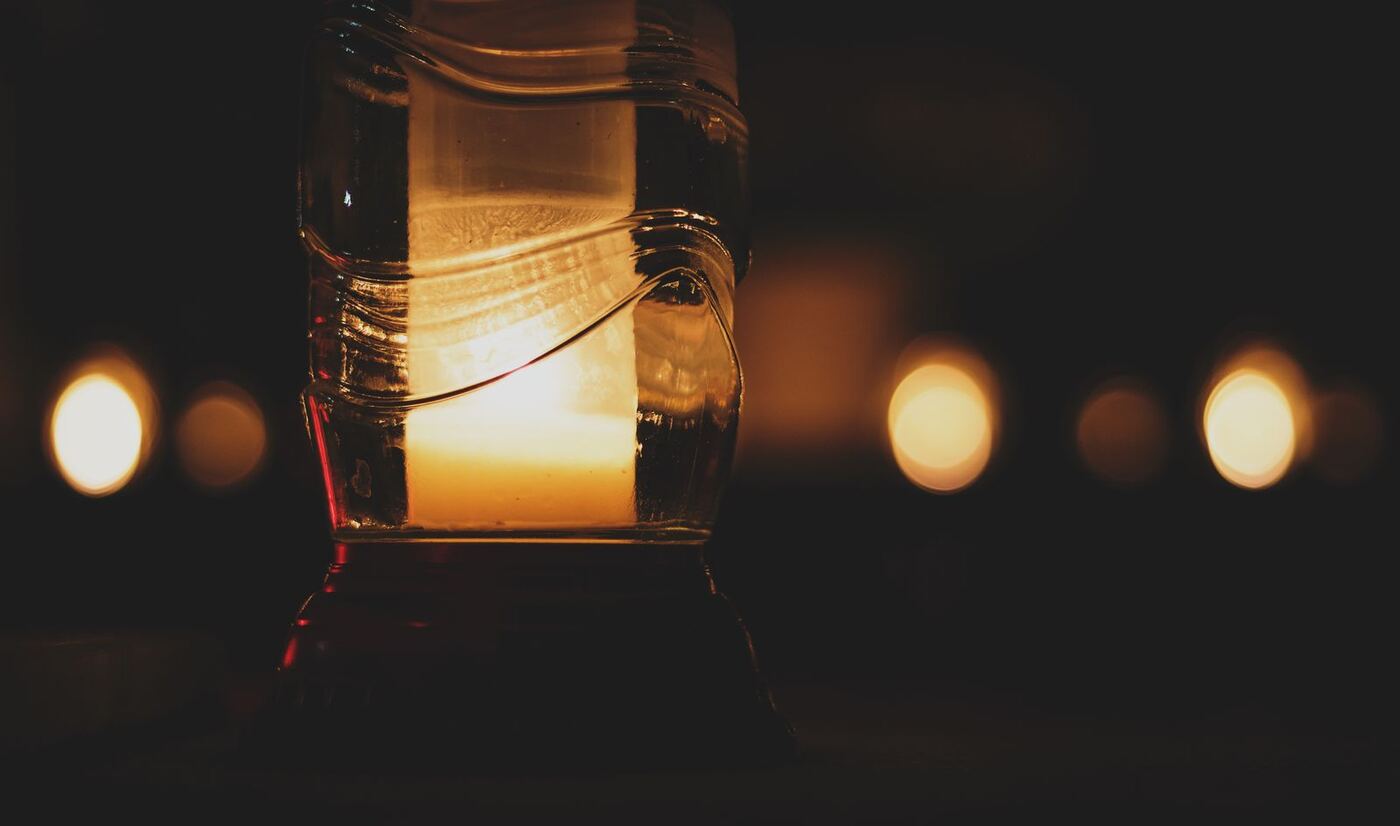
The Year of Mourning for a Parent in Judaism
What the Jewish year of mourning for a parent involves, why Kaddish is said for eleven months, and how mourners honor a parent all year.
Part 26 of 40 · When we lose someone, step by step
On this page · 2 min read
Why a full year for a parent?How the year is countedSaying Kaddish for eleven monthsCustoms during the yearGood deeds for the soulThe headstoneWhen a parent passes away, Jewish tradition sets aside twelve months of mourning. During this year the child says Kaddish, gives tzedakah and does good deeds in the parent's memory, while gently limiting celebrations.
Why a full year for a parent?
Honoring parents is one of the Ten Commandments, and the obligation continues after their passing. The year of mourning, called the yud-beis chodesh (twelve months), is the child's way of honoring a father or mother more deeply than any other relative.
For other close relatives (spouse, sibling or child), formal mourning ends after sheloshim, the first thirty days.
How the year is counted
The twelve months are counted by the Hebrew calendar from the day of death. In a Jewish leap year, which has thirteen months, mourning still lasts twelve months. The first yahrzeit, the anniversary of the passing on the Hebrew calendar, comes after that. Our yahrzeit tool can help you find the dates.
Saying Kaddish for eleven months
The mourner's Kaddish is the most well-known part of the year. It is said at prayer services with a minyan. It praises G-d and brings merit and elevation to the soul of the parent.
Kaddish is said for eleven months, not twelve. Tradition teaches that the soul's purification after death lasts up to twelve months, and that only the very wicked need the full time. Stopping after eleven months shows that we think of our parent as a good person.
If you cannot attend a minyan every day, someone else can say Kaddish on your behalf. Chabad of Lamorinda can help arrange Kaddish.
Customs during the year
Mourners for a parent traditionally:
- Avoid parties and celebrations for the full twelve months, especially those with live music and dancing.
- Limit attending weddings and festive meals. Mourners can often attend a family wedding with some limits. Ask the Rabbi.
- Do not buy notable new clothing for a period, according to custom.
- Lead prayer services when possible, which is considered a special honor for the parent's soul.
Good deeds for the soul
The year is about more than restrictions. Each good deed you do in your parent's memory brings their soul higher. Some ideas:
- Give tzedakah regularly in their name.
- Study Torah, especially Mishnah, in their memory.
- Take on a new mitzvah in their honor.
- Do acts of kindness they would have loved.
The headstone
Many families set up the headstone and hold an unveiling during the first year, often near the end of it. Customs vary, and the Rabbi can help you decide.
In Lamorinda: Unable to say Kaddish every day? Chabad of Lamorinda can arrange for it to be said for your loved one. See jewishlamorinda.com/kaddish or call 925-384-7242.
Common questions
Do daughters say Kaddish?
Kaddish is traditionally said by sons. Daughters honor their parent in many powerful ways during the year, including tzedakah, Torah study, prayer and good deeds, and can arrange for Kaddish to be said. Speak with the Rabbi about meaningful options.
When exactly does Kaddish end?
Kaddish ends a little before the end of the eleventh month. Since the exact day depends on the date of death, ask the Rabbi or call us and we will work it out with you.
Can I go to a bar mitzvah or wedding during the year?
Often you can attend part of it, such as the ceremony, while avoiding some of the festivities. Every case is different. Ask the Rabbi.
What happens after the year ends?
Mourning customs end, and the family marks the yahrzeit each year by lighting a candle, saying Kaddish and giving tzedakah. Yizkor is also said four times a year.
Step by step · Part 26 of 40
When we lose someone, step by step
NextMourning and Simchas: Weddings, Parties and Music in the Year of MourningCan a mourner go to a wedding or bar mitzvah, or listen to music? Jewish customs for shiva, 30 days and the year. Ask the Rabbi in Lafayette.All 40 parts
- When a Loved One Is Dying: A Jewish Guide for the Last Days
- Someone Just Died: What to Do in the First Hours, Jewish Guide
- Can't Afford a Jewish Funeral? Help Is Available. Call the Rabbi
- Why Jewish Burial Is So Important: Meaning, Mitzvah and Dignity
- Aninut: The Time Between Death and Burial
- Why Jews Bury Quickly: Burial Within a Day and When a Delay Is Allowed
- Buying a Plot in a Jewish Cemetery: What Makes a Cemetery Jewish and What to Ask
- Autopsy and Jewish Law: What Families Should Know
- Embalming, Viewing and Open Caskets: The Jewish View, Explained Gently
- What Is Tahara? The Chevra Kadisha and Preparing a Jewish Body for Burial
- A Plain Wooden Casket and White Shrouds: Why Every Jew Is Buried the Same Way
- What to Wear to a Jewish Funeral, and What to Expect as a Guest
- Jewish Funeral Customs: What to Do When a Loved One Passes Away
- How to Write and Give a Eulogy at a Jewish Funeral
- Kriah: Tearing the Garment When a Loved One Passes Away
- The Meal of Condolence (Seudat Havraah): The Mourners' First Meal After the Funeral
- Who Sits Shiva? Who Is a Mourner in Jewish Law
- Sitting Shiva: A Simple Guide for Mourners and Visitors
- Setting Up a Shiva House: A Practical Checklist for Families
- Shiva and Holidays: What Happens When a Holiday or Shabbat Comes During Mourning
- Comforting Mourners: What to Say and Do After a Jewish Loss
- What to Bring to a Shiva House: Food, Kindness and Presence, Not Flowers
- Writing a Jewish Condolence Note: What to Say and What Not to Say
- The Mourner's Kaddish: Meaning, When to Say It and Who Says It
- Sheloshim: The 30 Days of Mourning After a Funeral
- The Year of Mourning for a Parent in Judaism
- Mourning and Simchas: Weddings, Parties and Music in the Year of Mourning
- Losing a Husband or Wife: A Jewish Guide for the Days and the Year After
- When a Child Dies: Jewish Comfort and Mourning for Parents
- Losing a Parent: Jewish Wisdom and Comfort for Sons and Daughters
- Writing a Jewish Headstone Inscription: Hebrew Name, Dates and Symbols
- Unveiling a Headstone: Jewish Customs and What to Expect
- Yahrzeit: How to Observe the Anniversary of a Loved One's Passing
- The First Yahrzeit: How to Mark One Year Since a Loss
- A Memorial Plaque in the Synagogue: Remembering a Loved One
- Learning Torah in Memory of a Loved One
- Giving in Memory: Tzedakah for a Yahrzeit and for the Soul of a Loved One
- Yizkor: The Jewish Memorial Prayer and When It Is Said
- El Malei Rachamim: The Jewish Memorial Prayer, Meaning and When It Is Said
- Visiting a Jewish Grave: When to Go and What to Say
Give in their memory
Giving tzedakah in memory of a loved one is an age-old Jewish custom: a merit for their soul, and for the living a way to carry on their good. You can write their name below.
Questions about this, or something on your mind? Message the Rabbi or the Rebbetzin privately, or call 925-384-7242. · Email
Read next
 The Mourner's Kaddish: Meaning, When to Say It and Who Says ItWhat the Mourner's Kaddish is, what its words mean, who recites it, how long it is said, and what to do if you cannot say it yourself.Read next →