
Learn › Mourning & remembrance › When a loved one is dying
Someone Just Died: What to Do in the First Hours, Jewish Guide
What to do when someone dies, step by step, at home or in the hospital. Call Rabbi Labkowski first at 925-384-7242, and he will guide you.
Part 2 of 40 · When we lose someone, step by step
On this page · 4 min read
The very first momentsWho to callIf the death is in a hospital, hospice or care homeDo not leave the body aloneIf the death is on Shabbat or a holidayWhen a Jewish person dies, call Rabbi Yisroel Labkowski at 925-384-7242 (or Rebbetzin Tzipora Labkowski at 925-384-7241) first, as soon as you can, before you call the burial society (Chevra Kadisha) or a funeral home, and before you sign anything. The Rabbi will guide your family through every step and make the arrangements. If the death is sudden, call 911 first. We are so sorry for your loss, and you do not have to do this alone.
Jewish burial is of the utmost importance, and it can all be arranged even if there is no budget. Financial help is available. Please call at once. See help with the cost.
This guide lists the traditional steps for the first hours. It does not repeat the prayers at the bedside (see when a loved one is dying) or the whole funeral (see Jewish funeral customs).
The very first moments
Everyone present should say the blessing that acknowledges G-d as the true Judge. The Rabbi can tell you the words by phone. Mourning begins at the moment of death for a father, mother, spouse, son, daughter, brother or sister. For the next steps:
- Do not touch or move the body for at least 15 minutes.
- After that, the eyes are closed and the body is covered with a sheet.
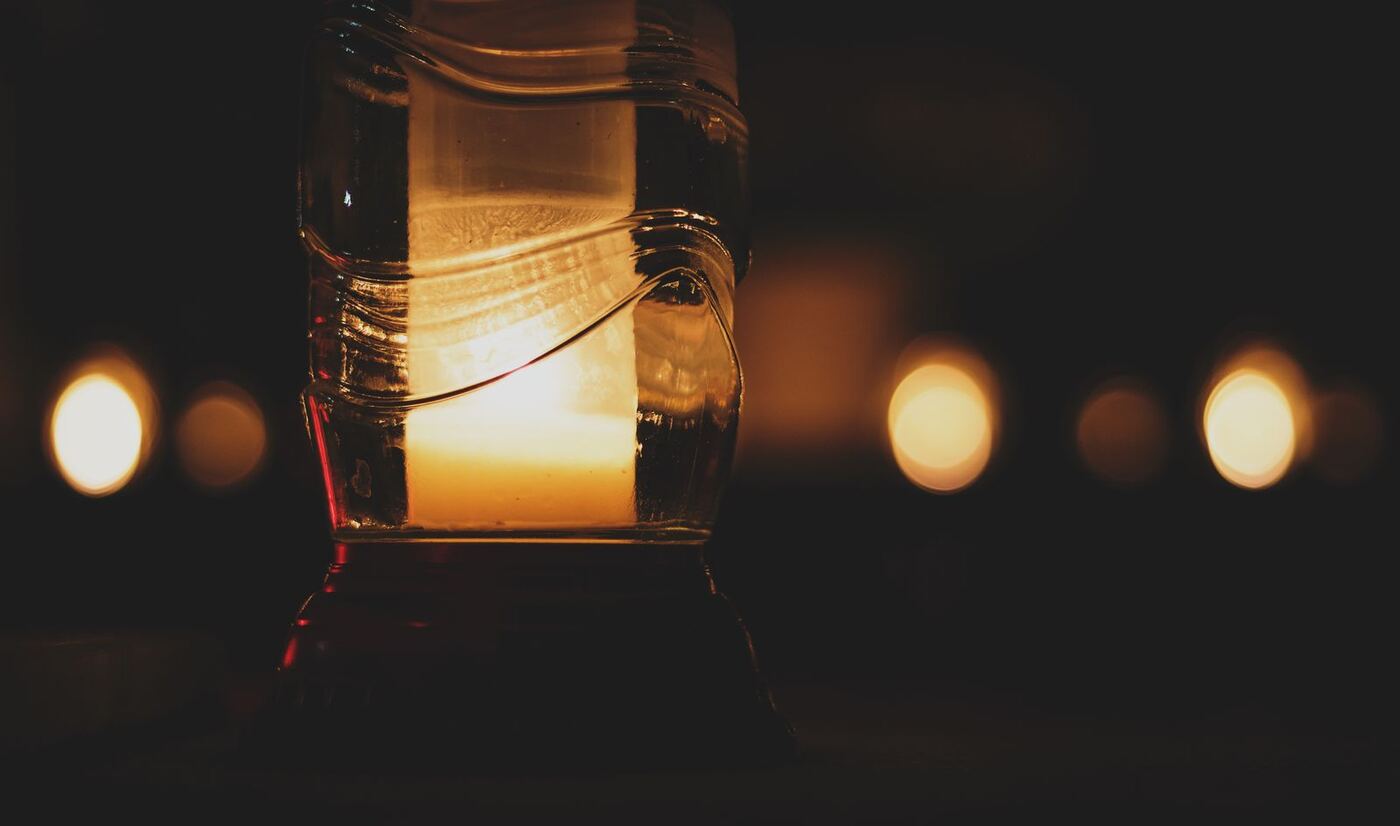
- A candle is lit near the head, except on Shabbat and holidays.
- Mirrors and pictures of people are covered, and any open water in the room is poured out.
- Relatives who are present may ask the person for forgiveness, and offer their own. Those who are not there can do so later, at the funeral or the grave.
Keep the room quiet. Conversation should be about the funeral arrangements and the person's good qualities, or it can be Psalms (Tehillim).
Who to call
The local Chevra Kadisha (the Jewish burial society) should be reached right away for instructions, to make sure the funeral home, if you use one, knows what a Jewish burial needs, and to ask a rabbi about anything unusual (a death on Shabbat or a holiday, burial far away, organ donation). Here in Lamorinda, the first call is to Rabbi Labkowski at 925-384-7242, before the burial society or a funeral home: that one call starts all of it, and he makes the arrangements. See Jewish funerals near Lafayette.
Tell the funeral home that your loved one needs tahara (ritual washing), a shomer (a guard), white shrouds, a traditional wooden casket and the care of the Chevra Kadisha. See tahara and the Chevra Kadisha.
If the death is in a hospital, hospice or care home
Tell the staff that the Chevra Kadisha will care for the body, and ask them to wait for instructions before they do anything. If the body must be moved to the hospital morgue, a Jewish person should go along and stay in sight until the Chevra Kadisha takes over. Do not remove tubes or lines, and give the Chevra Kadisha any clothing or linens with blood on them, because they are buried with the person. A person who has just died is to be treated with the same dignity as a living person.
Say clearly that you do not want an autopsy or embalming. Autopsies are strongly forbidden (if the authorities require one, ask a rabbi who knows this area at once) and embalming is forbidden. See autopsy: the Jewish view and embalming and viewing. Organ donation is a complicated question; speak to the Rabbi before deciding (organ donation).
Do not leave the body alone
A Jewish person should stay with the body until burial. This is called shemirah, "guarding." It may be a family member, a friend, a member of the Chevra Kadisha or someone hired, and people may take turns. Those who guard should not eat, drink, smoke or sleep in the room, and should read Psalms instead. If the body is driven anywhere, a Jewish person should ride along.
If the death is on Shabbat or a holiday
The restrictions of Shabbat and the holidays still apply, including to preparing for burial. The body is not moved, is covered with a sheet, and is left until Shabbat or the holiday ends. Call the Rabbi, who will guide you through it.
In Lamorinda: Someone just died? Call Rabbi Yisroel Labkowski at 925-384-7242 or Rebbetzin Tzipora Labkowski at 925-384-7241, before you call the burial society or a funeral home.
Common questions
What do I do when someone dies at home?
If the death is sudden or unexpected, call 911 first. Then call Rabbi Labkowski at 925-384-7242. Cover the person with a sheet after about 15 minutes, and a Jewish person should stay with the body until the Chevra Kadisha takes over.
Who do I call first when a Jewish person dies?
Call Rabbi Labkowski at 925-384-7242 (or the Rebbetzin at 925-384-7241) first, before the Chevra Kadisha (burial society) or a funeral home. He will guide you through every step and make the arrangements with them.
What if my loved one died in a hospital?
Tell the staff the Chevra Kadisha will care for the body and ask them to wait for instructions. Say you do not want an autopsy or embalming, and call the Rabbi right away.
How soon must a Jewish burial take place?
As soon as possible, and no later than 24 hours, unless a delay honors the deceased, such as legal requirements, shrouds and a casket, or close family who must travel. See why Jews bury quickly.
Can someone stay with the body overnight?
Yes. In fact, Jewish tradition asks that someone does. The person who stays recites Psalms. If you cannot, the Chevra Kadisha or the funeral home can arrange a shomer; ask the Rabbi.
What if I cannot afford the funeral?
Call the Rabbi anyway. Jewish burial can all be arranged even with no budget, and financial help is available.
Take the next step
- Call Rabbi Labkowski at 925-384-7242 now. He will tell you the next step.
- Read why Jews bury quickly to understand the timing.
- When you are ready, read about aninut, the time before the funeral and what to wear.
Step by step · Part 2 of 40
When we lose someone, step by step
NextCan't Afford a Jewish Funeral? Help Is Available. Call the RabbiCan't afford a Jewish funeral? Jewish burial can all be arranged even with no budget, and financial help is available. Call Rabbi Labkowski, 925-384-7242.All 40 parts
- When a Loved One Is Dying: A Jewish Guide for the Last Days
- Someone Just Died: What to Do in the First Hours, Jewish Guide
- Can't Afford a Jewish Funeral? Help Is Available. Call the Rabbi
- Why Jewish Burial Is So Important: Meaning, Mitzvah and Dignity
- Aninut: The Time Between Death and Burial
- Why Jews Bury Quickly: Burial Within a Day and When a Delay Is Allowed
- Buying a Plot in a Jewish Cemetery: What Makes a Cemetery Jewish and What to Ask
- Autopsy and Jewish Law: What Families Should Know
- Embalming, Viewing and Open Caskets: The Jewish View, Explained Gently
- What Is Tahara? The Chevra Kadisha and Preparing a Jewish Body for Burial
- A Plain Wooden Casket and White Shrouds: Why Every Jew Is Buried the Same Way
- What to Wear to a Jewish Funeral, and What to Expect as a Guest
- Jewish Funeral Customs: What to Do When a Loved One Passes Away
- How to Write and Give a Eulogy at a Jewish Funeral
- Kriah: Tearing the Garment When a Loved One Passes Away
- The Meal of Condolence (Seudat Havraah): The Mourners' First Meal After the Funeral
- Who Sits Shiva? Who Is a Mourner in Jewish Law
- Sitting Shiva: A Simple Guide for Mourners and Visitors
- Setting Up a Shiva House: A Practical Checklist for Families
- Shiva and Holidays: What Happens When a Holiday or Shabbat Comes During Mourning
- Comforting Mourners: What to Say and Do After a Jewish Loss
- What to Bring to a Shiva House: Food, Kindness and Presence, Not Flowers
- Writing a Jewish Condolence Note: What to Say and What Not to Say
- The Mourner's Kaddish: Meaning, When to Say It and Who Says It
- Sheloshim: The 30 Days of Mourning After a Funeral
- The Year of Mourning for a Parent in Judaism
- Mourning and Simchas: Weddings, Parties and Music in the Year of Mourning
- Losing a Husband or Wife: A Jewish Guide for the Days and the Year After
- When a Child Dies: Jewish Comfort and Mourning for Parents
- Losing a Parent: Jewish Wisdom and Comfort for Sons and Daughters
- Writing a Jewish Headstone Inscription: Hebrew Name, Dates and Symbols
- Unveiling a Headstone: Jewish Customs and What to Expect
- Yahrzeit: How to Observe the Anniversary of a Loved One's Passing
- The First Yahrzeit: How to Mark One Year Since a Loss
- A Memorial Plaque in the Synagogue: Remembering a Loved One
- Learning Torah in Memory of a Loved One
- Giving in Memory: Tzedakah for a Yahrzeit and for the Soul of a Loved One
- Yizkor: The Jewish Memorial Prayer and When It Is Said
- El Malei Rachamim: The Jewish Memorial Prayer, Meaning and When It Is Said
- Visiting a Jewish Grave: When to Go and What to Say
Questions about this, or something on your mind? Message the Rabbi or the Rebbetzin privately, or call 925-384-7242. · Email
Read next
 Jewish Funeral Customs: What to Do When a Loved One Passes AwayA gentle guide to Jewish funeral customs: first steps, tahara, burial, the service, and how to support a grieving family.Read next →