
Learn › Mourning & remembrance › Yahrzeit and remembrance
Visiting a Jewish Grave: When to Go and What to Say
When Jews visit the graves of loved ones, which prayers and Psalms to say, why we leave a stone, and the customs to follow at a Jewish cemetery.
Part 40 of 40 · When we lose someone, step by step
On this page · 2 min read
Why we visit gravesWhen to visitWhat to do at the graveWhy leave a stone?Customs at the cemeteryVisiting the grave of a loved one is a meaningful Jewish custom, especially on a yahrzeit and in the weeks before the High Holidays. At the grave we pray, say Psalms, give charity in their memory and leave a small stone as a sign that we were there.
Why we visit graves
Jewish tradition teaches that the soul has a connection to the place where the body rests. Visiting the grave honors the person who passed away, and the prayers and good deeds we do in their memory bring their soul to higher levels. It also gives the living a quiet place to remember, reflect and feel connected.
Jews have prayed at the graves of the righteous since Biblical times. Caleb is said to have prayed at the Cave of the Patriarchs in Hebron, and people still travel to pray at the resting places of great tzaddikim.
When to visit
Common times to visit include:
- The yahrzeit, the anniversary of the passing on the Hebrew calendar.
- The end of sheloshim, according to family custom.
- The month of Elul and the days before Rosh Hashanah and Yom Kippur.
- An unveiling, when the headstone is dedicated.
- Fast days, according to some customs.
It is customary not to visit cemeteries on Shabbat, Jewish holidays, the intermediate days of Sukkot and Passover, or Rosh Chodesh (the first day of a Jewish month). Many also avoid visiting the same grave too often, so that grief does not take over daily life.
What to do at the grave
- Approach with respect. Walk carefully and avoid stepping on graves.
- Say Psalms. It is customary to recite chapters of Tehillim. Ask the Rabbi which chapters to say. Many also say the verses of Psalm 119 that spell out the person's Hebrew name and the word neshamah (soul).
- Speak from the heart. Talk to your loved one or to G-d in your own words.
- Say Kel Malei Rachamim, the memorial prayer, and if a minyan is present, Kaddish.
- Give tzedakah in their memory, before or after the visit.
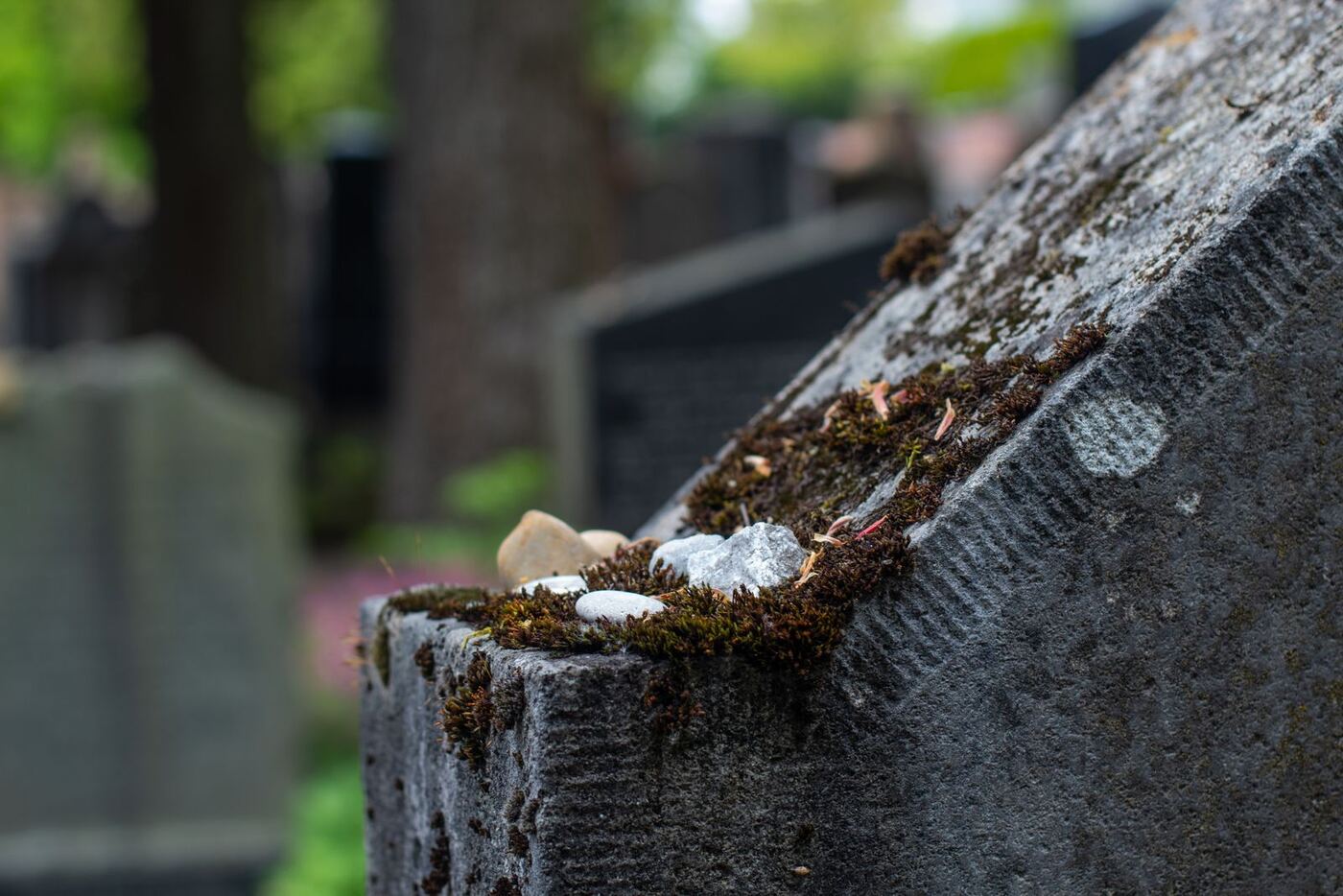
- Place a small stone on the headstone before leaving.
- Wash your hands after leaving the cemetery. Many pour water over each hand from a cup and do not dry them with a towel.
Why leave a stone?
Flowers fade, but a stone lasts. Placing a stone shows that someone visited and remembered. It also recalls the ancient practice of marking graves with stones and adds to the monument, in a sense, as a symbol of lasting love.
Customs at the cemetery
- Men who wear tzitzit usually tuck them in out of respect for the dead, who can no longer do mitzvot.
- Avoid eating, drinking or acting casually in the cemetery.
- Kohanim (descendants of the priestly family) traditionally do not enter a cemetery, except for the funeral of a close relative. Ask the Rabbi if this applies to you.
In Lamorinda: Would you like the Rabbi to join you at a grave or help with the prayers? Call Rabbi Labkowski at 925-384-7242.
Common questions
What if I cannot travel to the grave?
You can still say Tehillim, give tzedakah and study Torah in your loved one's memory wherever you are. These bring the same merit to the soul.
Can children come to the cemetery?
Yes, many families bring children. Prepare them for what they will see and keep the visit simple. Some families have different customs, so ask if unsure.
Do I need a minyan to visit a grave?
No. You can visit alone. A minyan is needed only to say Kaddish.
Is there a special prayer to say on a yahrzeit visit?
Psalms, the Kel Malei Rachamim prayer and your own words are all fitting. If you would like help with the prayers, call the Rabbi.
Step by step · Part 40 of 40
When we lose someone, step by step
You have reached the end of this series.
All 40 parts
- When a Loved One Is Dying: A Jewish Guide for the Last Days
- Someone Just Died: What to Do in the First Hours, Jewish Guide
- Can't Afford a Jewish Funeral? Help Is Available. Call the Rabbi
- Why Jewish Burial Is So Important: Meaning, Mitzvah and Dignity
- Aninut: The Time Between Death and Burial
- Why Jews Bury Quickly: Burial Within a Day and When a Delay Is Allowed
- Buying a Plot in a Jewish Cemetery: What Makes a Cemetery Jewish and What to Ask
- Autopsy and Jewish Law: What Families Should Know
- Embalming, Viewing and Open Caskets: The Jewish View, Explained Gently
- What Is Tahara? The Chevra Kadisha and Preparing a Jewish Body for Burial
- A Plain Wooden Casket and White Shrouds: Why Every Jew Is Buried the Same Way
- What to Wear to a Jewish Funeral, and What to Expect as a Guest
- Jewish Funeral Customs: What to Do When a Loved One Passes Away
- How to Write and Give a Eulogy at a Jewish Funeral
- Kriah: Tearing the Garment When a Loved One Passes Away
- The Meal of Condolence (Seudat Havraah): The Mourners' First Meal After the Funeral
- Who Sits Shiva? Who Is a Mourner in Jewish Law
- Sitting Shiva: A Simple Guide for Mourners and Visitors
- Setting Up a Shiva House: A Practical Checklist for Families
- Shiva and Holidays: What Happens When a Holiday or Shabbat Comes During Mourning
- Comforting Mourners: What to Say and Do After a Jewish Loss
- What to Bring to a Shiva House: Food, Kindness and Presence, Not Flowers
- Writing a Jewish Condolence Note: What to Say and What Not to Say
- The Mourner's Kaddish: Meaning, When to Say It and Who Says It
- Sheloshim: The 30 Days of Mourning After a Funeral
- The Year of Mourning for a Parent in Judaism
- Mourning and Simchas: Weddings, Parties and Music in the Year of Mourning
- Losing a Husband or Wife: A Jewish Guide for the Days and the Year After
- When a Child Dies: Jewish Comfort and Mourning for Parents
- Losing a Parent: Jewish Wisdom and Comfort for Sons and Daughters
- Writing a Jewish Headstone Inscription: Hebrew Name, Dates and Symbols
- Unveiling a Headstone: Jewish Customs and What to Expect
- Yahrzeit: How to Observe the Anniversary of a Loved One's Passing
- The First Yahrzeit: How to Mark One Year Since a Loss
- A Memorial Plaque in the Synagogue: Remembering a Loved One
- Learning Torah in Memory of a Loved One
- Giving in Memory: Tzedakah for a Yahrzeit and for the Soul of a Loved One
- Yizkor: The Jewish Memorial Prayer and When It Is Said
- El Malei Rachamim: The Jewish Memorial Prayer, Meaning and When It Is Said
- Visiting a Jewish Grave: When to Go and What to Say
Questions about this, or something on your mind? Message the Rabbi or the Rebbetzin privately, or call 925-384-7242. · Email
Read next
 Yahrzeit: How to Observe the Anniversary of a Loved One's PassingWhat a yahrzeit is, how to find the Hebrew date, lighting a yahrzeit candle, saying Kaddish, and other ways to honor a loved one.Read next →