
Learn › Prayer & Torah › Jewish prayer: first steps
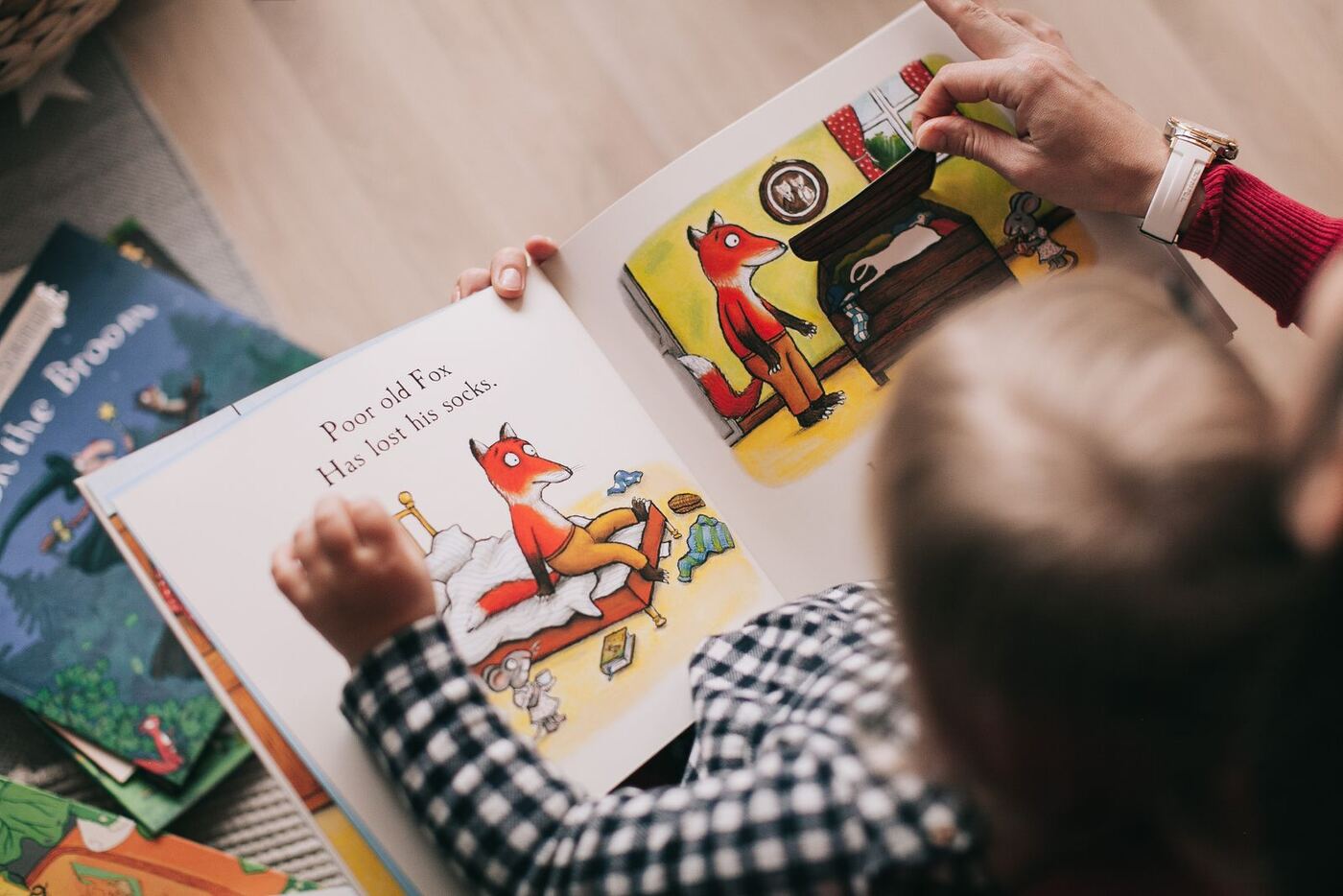
Teaching Children to Pray: Simple Steps for Every Family
How to teach your children to pray, from Modeh Ani in the morning to the Shema at bedtime and blessings on food, even if you are still learning yourself.
On this page · 2 min read
Start with what they can sayMake it part of the dayLet them see you prayPrayer in their own wordsA Jewish corner of their ownPractical tipsChildren love to talk to G-d. They ask big questions, they say thank you easily, and they remember songs. Teaching a child to pray is one of the most precious gifts a parent can give, and you do not need to be an expert to begin.
Start with what they can say
The Talmud says that as soon as a child begins to speak, a parent should teach them the first verse of the Shema and "Torah tzivah lanu Moshe," "Moses commanded us the Torah, the heritage of the congregation of Jacob." Short, joyful words come first; the rest grows with time.
Three easy beginnings:
- Modeh Ani when they wake up: "I thank You, living and eternal King, for returning my soul to me with compassion. Great is Your faithfulness." See Modeh Ani.
- A blessing before eating: Shehakol for drinks and some foods, Hamotzi for bread. The blessing depends on the food, so ask the Rabbi. See blessings.
- The Shema at bedtime, with a hand over the eyes. See the bedtime Shema.
Make it part of the day
Prayer sticks when it is tied to moments children already have. Keep a Modeh Ani card by the bed, sing the blessing together at the table, say the Shema after the bedtime story. A few seconds, every day, mean more than a long prayer once in a while.
Let them see you pray
Children copy what they see. When they see a parent light Shabbat candles, say a blessing, or close their eyes for a moment of prayer, they learn that talking to G-d is part of real life. If you are still learning, learn together; children love being your partner.
Prayer in their own words
The prayers in the siddur are a treasure, and children can also speak to G-d in their own words: thank You for my new baby sister, please make Grandma feel better. Encourage it. See talking to G-d in your own words.
A Jewish corner of their own
The Rebbe encouraged every child to have a few Jewish things of their own: a small siddur, a pushka for tzedakah, a Jewish book, a picture of the Hebrew letters. A child who owns their siddur is proud to use it. See the siddur.
Practical tips
- Sing. Most children's prayers have simple tunes; songs are remembered for life.
- Keep it short and happy. Stop while it is still fun.
- Praise effort, not perfection; mispronounced words are still beautiful prayers.
- Bring them to synagogue for part of the service, especially the Torah reading and the Kiddush. See your first time at synagogue.
In Lamorinda: Our Hebrew school and preschool teach children the prayers with songs and stories. Families in Lafayette, Moraga and Orinda can call 925-384-7242.
Common questions
At what age should children start praying?
As soon as they can talk. Toddlers can say Modeh Ani and the first line of the Shema; older children add more, step by step.
My child does not read Hebrew yet. Is that a problem?
No. Prayers can be said from memory, read in transliteration, or said in English. Learning to read Hebrew will come; see the Hebrew alphabet.
I do not pray myself. Can I still teach my child?
Yes, and you may find you enjoy it. Start with Modeh Ani and the Shema together. The Rabbi and the Rebbetzin are happy to help you get started.
Questions about this, or something on your mind? Message the Rabbi or the Rebbetzin privately, or call 925-384-7242. · Email
Read next
 Modeh Ani: The Jewish Morning Prayer of ThanksThe Modeh Ani prayer said on waking up, in Hebrew, transliteration and English, what it means, and how to wash hands in the morning.Read next →