
Learn › Prayer & Torah › Jewish prayer: first steps
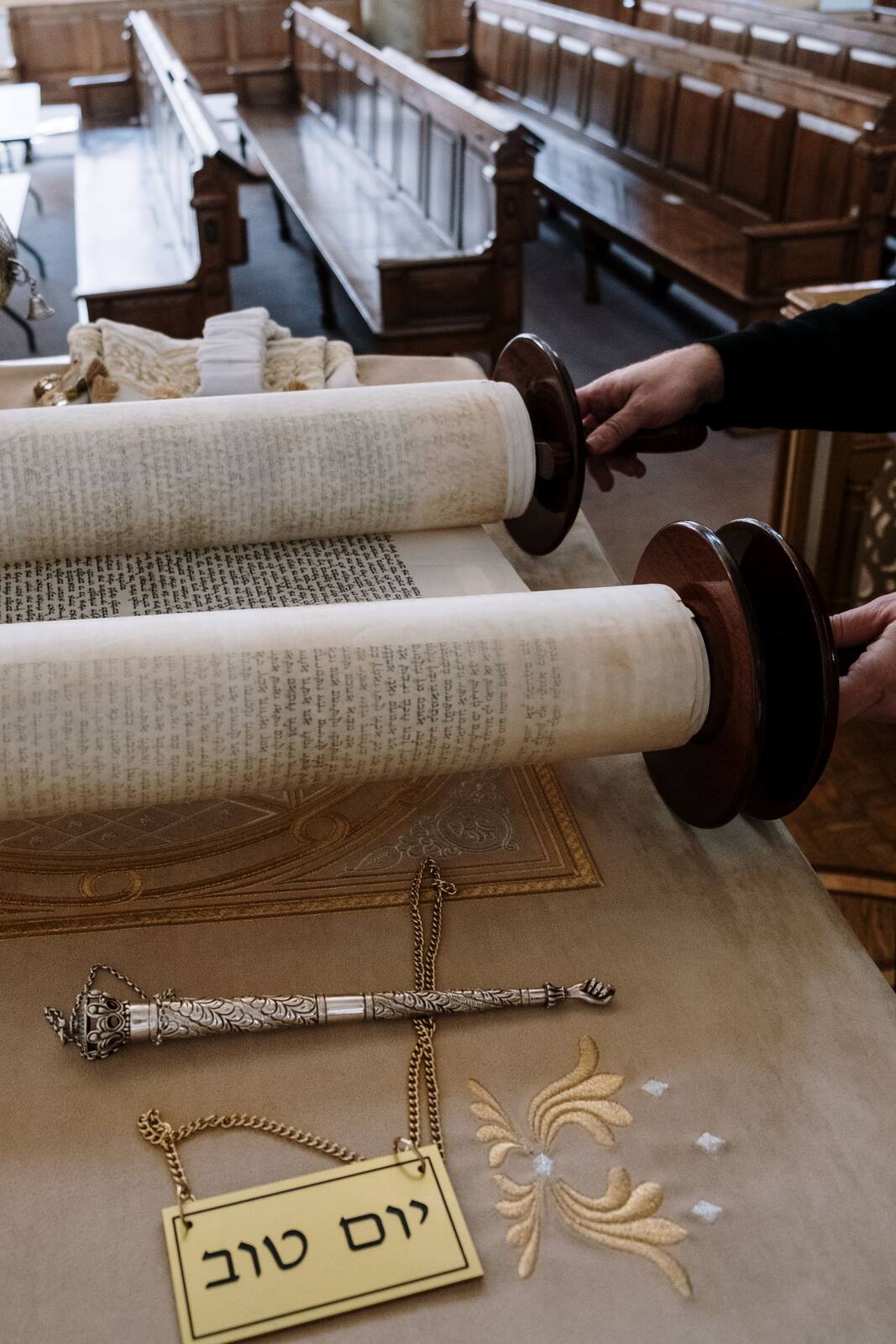
Why Do Jews Sway When They Pray? Shuckling Explained
Why do Jews rock or sway when they pray? Shuckling explained: the soul as a flame, bowing and other prayer movements, and whether you have to do it.
On this page · 2 min read
The most common explanationsDo you have to shuckle?Other movements in Jewish prayerTalking to G-d from the heartTake the next stepJews sway back and forth during prayer, a custom called shuckling (from the Yiddish word for "shaking"), to pray with the whole body and to focus the mind. It is a custom, not a requirement, and many Jews pray perfectly well standing still.
The most common explanations
- The soul is like a flame. The Book of Proverbs says, "The soul of man is the lamp of G-d" (Proverbs 20:27). A flame flickers and strives upward, and the soul longs to rise toward its Source. When we pray, the body moves with it.
- "All my bones shall say." King David wrote, "All my bones shall say: L-rd, who is like You?" (Psalm 35:10). Prayer is not only words. The whole person, bone and body, takes part.
- Concentration. Many people find that moving helps them stay focused, much as some people pace while thinking hard.
- Like learning Torah. Jews have swayed while studying for centuries, as a way of making the words come alive.
Do you have to shuckle?
No. There is no commandment to sway. Many Jews, including great scholars, pray standing still. Whether to sway is a personal and community custom. If you are new, you can stand quietly, and no one will mind. Ask the Rabbi if you wonder what feels right for you.
Other movements in Jewish prayer
Prayer has a choreography of its own, which will make more sense once you see it:
- Standing for the Amidah. The silent prayer is said standing, with feet together, facing Jerusalem.
- Three steps. We take three steps forward as we begin, as if approaching a king, and three steps back at the end, as if leaving his presence.
- Bowing. At certain moments of the Amidah and in the Aleinu prayer, we bow to express humility.
- Covering and wrapping. Men wear a tallit and kippah, and on weekdays tefillin.
- Kissing. We kiss the Torah or the siddur out of love and respect.
Your first visit to a service in Lafayette, Moraga or Orinda doesn't need any of this memorized. See first time at synagogue for a simple guide.
Talking to G-d from the heart
What matters most is not the movement but sincerity. Chabad teaches that prayer is a conversation, and you are welcome to pray in the way that opens your heart. See why we pray.
Take the next step
- Read first time at synagogue before you come.
- Look at this week's schedule and the events page.
- Call 925-384-7242 and ask Rabbi Labkowski about services at Chabad of Lamorinda in Lafayette.
In Lamorinda: Come see for yourself at Shabbat services in Lafayette. Call Rabbi Labkowski at 925-384-7242 to hear what is planned, or see /events.
Common questions
Why do Jews rock when they pray?
Many Jews rock because it helps them focus and express the soul's longing for G-d. It is a custom, not a law.
What is shuckling?
Shuckling is the Yiddish word for the swaying or rocking motion during Jewish prayer or study.
Do all Jews sway during prayer?
No. Some do, and many do not. It depends on custom and personal habit.
Do I have to sway at services?
No. Stand or sit quietly if you prefer. No one will expect you to move in a particular way.
Why do Jews bow in prayer?
Bowing expresses humility before G-d. It happens at set places in the Amidah and in Aleinu.
Where can I experience Jewish prayer in Lafayette, Moraga or Orinda?
Chabad of Lamorinda in Lafayette welcomes everyone. Call 925-384-7242 for service times and what is planned.
Questions about this, or something on your mind? Message the Rabbi or the Rebbetzin privately, or call 925-384-7242. · Email
Read next
 Going to Synagogue for the First Time: What to ExpectA friendly guide for first-time visitors to a synagogue: what to wear, what happens during services, Shabbat etiquette, and how to follow along.Read next →