
Learn › Shabbat & holidays › The Chanukah story and its meaning
The Second Temple Period: The World of Chanukah, From Ezra to the Destruction
What was the Second Temple period? About 420 years of Jewish life, from the return from Babylon through Chanukah to the destruction. A simple timeline.
On this page · 3 min read
Returning from BabylonThe Men of the Great AssemblyWhat was different about the Second TemplePeace, then the GreeksThe Hasmoneans, Herod and RomeThe destructionThe Second Temple period is the roughly 420 years in which the Second Holy Temple stood in Jerusalem, built by Jews returning from the Babylonian exile and destroyed by the Romans on the 9th of Av. It begins right after the Purim story and is the setting of Chanukah and of much of the Talmud's world, so knowing its shape helps every holiday make sense.
This guide gives a simple timeline. For the Temple building itself, see The Holy Temple; here we look at the era around it.
Returning from Babylon
After the First Temple was destroyed, the Jewish people were exiled to Babylon. Under the Persian King Cyrus, they were permitted to return and rebuild. The work was delayed, and it was resumed only after the prophet Haggai brought G-d's message of encouragement. Some of the elders had seen the First Temple and wept that the new one seemed smaller. The prophets promised that its glory would be greater. The builders followed the layout of the first Temple, with some features taken from the vision of Ezekiel.
You can read about the leaders who guided this return in Ezra and Nehemiah.
The Men of the Great Assembly
In the early years, the Jewish people were guided by the Men of the Great Assembly, a council of 120 prophets and sages. Among its members were Ezra, Nehemiah, Mordechai, Daniel and the prophets Haggai, Zechariah and Malachi. They set the order of our prayers and sealed the books of the Tanach. The last of them was Shimon the Righteous, and with him that era ended. The story of Esther and Mordechai took place in these Persian years, just before the Temple was completed, and you can read it in the Purim story.
What was different about the Second Temple
Our Sages list five things that the Second Temple did not have: the Holy Ark, the heavenly fire on the altar, the Divine Presence, prophecy, and the Divine guidance given through the High Priest's breastplate. Even so, the Sages teach that its holiness was real. Jews came three times a year, for Pesach, Shavuot and Sukkot, from Israel and from Babylonia, to bring offerings. A Chassidic teaching compares it to a person who has returned to G-d after a failure, who can reach heights that someone who never stumbled cannot.
Peace, then the Greeks
The first two hundred years or so were relatively peaceful, under Persian and then Greek rulers. Then King Antiochus IV set out to uproot Jewish practice, plundered the Temple and defiled it (see Who Was Antiochus? and The Greek Decrees). The family of Matityahu and his sons won a miraculous victory, rededicated the Temple and gave us Chanukah. The name of the holiday, in fact, means dedication; read What Does Chanukah Mean?.
The Hasmoneans, Herod and Rome
The Hasmonean family led the Jewish people for roughly a century, and then Herod took the throne, with Judea under Roman control. Herod renovated the Temple on a grand scale, and the Talmud praises its beauty. Read how this chapter unfolded in What Happened After the Maccabees?.
The destruction
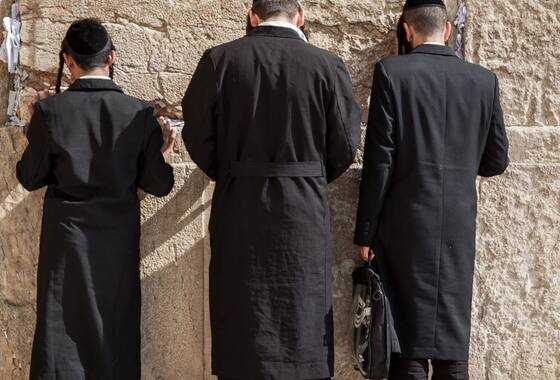
When the Jews rebelled, Rome sent armies. Jerusalem's walls were breached on the 17th of Tammuz, and the Temple was burned three weeks later on the 9th of Av. Our Sages say the First Temple fell because of serious sins, and the Second because of baseless hatred between Jews. A part of the outer retaining wall survived, and it is today's Western Wall. Traditional sources give 420 years for the Temple's length. They differ slightly on the exact year of destruction, because years are counted in different ways, so we leave out a specific year.
The three weeks between the 17th of Tammuz and the 9th of Av are mourning, and we look forward to the day when the Temple is rebuilt. See Tisha B'Av for Beginners.
In Lamorinda: Curious about Jewish history? Ask Rabbi Labkowski at Chabad of Lamorinda in Lafayette, or call 925-384-7242 to hear what classes are planned.
Common questions
What was the Second Temple period?
It was the era of about 420 years in which the Second Holy Temple stood in Jerusalem, from the return from the Babylonian exile until the Romans destroyed it.
Who built the Second Temple?
Jews who had returned from Babylon built it, with permission from the Persian king Cyrus and encouragement from the prophet Haggai.
How long did the Second Temple stand?
It stood for 420 years, a little longer than the First Temple's 410 years.
What was missing in the Second Temple?
The Talmud lists five things: the Ark, the heavenly fire, the Divine Presence, prophecy, and the guidance given through the High Priest's breastplate.
Why was the Second Temple destroyed?
The Sages teach that it was destroyed because of baseless hatred among Jews. The Romans carried out the destruction on the 9th of Av.
Where can I learn more about Jewish history near Lafayette, Moraga and Orinda?
Chabad of Lamorinda in Lafayette welcomes everyone. Call 925-384-7242 or see Adult Education.
Take the next step
- Read the next guide, Menorahs in Dark Times, for true stories from later years of Jewish courage.
- Explore the big picture in the Jewish history overview.
- Join us in Lafayette: see events or call 925-384-7242.
Questions about this, or something on your mind? Message the Rabbi or the Rebbetzin privately, or call 925-384-7242. · Email
Read next
 The Holy Temple in Jerusalem (Beit HaMikdash)What the Holy Temple was, the First and Second Temples, why they were destroyed, how we remember them today, and the Third Temple.Read next →