
Learn › Shabbat & holidays › The Chanukah story and its meaning
The Greek Decrees Against Shabbat, Rosh Chodesh and Brit Milah: What the Chanukah Fight Was About
What did the Greeks ban in the Chanukah story? Shabbat, Rosh Chodesh and brit milah. Learn why these three mitzvot and what the fight means today.
On this page · 3 min read
What was bannedWhy these three mitzvot?What Greek culture was really aboutSome Jews chose the other sideWhat this means todayThe Greek rulers of the Land of Israel banned three mitzvot in the time of Chanukah: keeping Shabbat, sanctifying the new month (Rosh Chodesh), and brit milah, the circumcision of Jewish baby boys. They also banned the study of Torah, and the Maccabees fought a war so that Jews could keep all of it.
Why these three? The Sages and Chabad teaching see a pattern, and it explains a great deal about what the Chanukah fight was really about.
What was banned
The tradition records that, under King Antiochus, Jews were forbidden to study Torah. Observing Shabbat, Rosh Chodesh or brit milah was punishable by death. The Sages also tell that the Greeks wanted Jews to publicly give up their connection to the G-d of Israel; they say it was to be written on the horn of an ox. These are the facts as our tradition records them. For the king himself, see Who Was Antiochus?.
The Maccabees refused. They paid a heavy price, but they drove out the Greeks and regained the Temple. The full story is in the Chanukah story and Who Were the Maccabees?.
Why these three mitzvot?
Chabad teaching offers a beautiful explanation. Each of the three practices carries a message that there is something above nature.
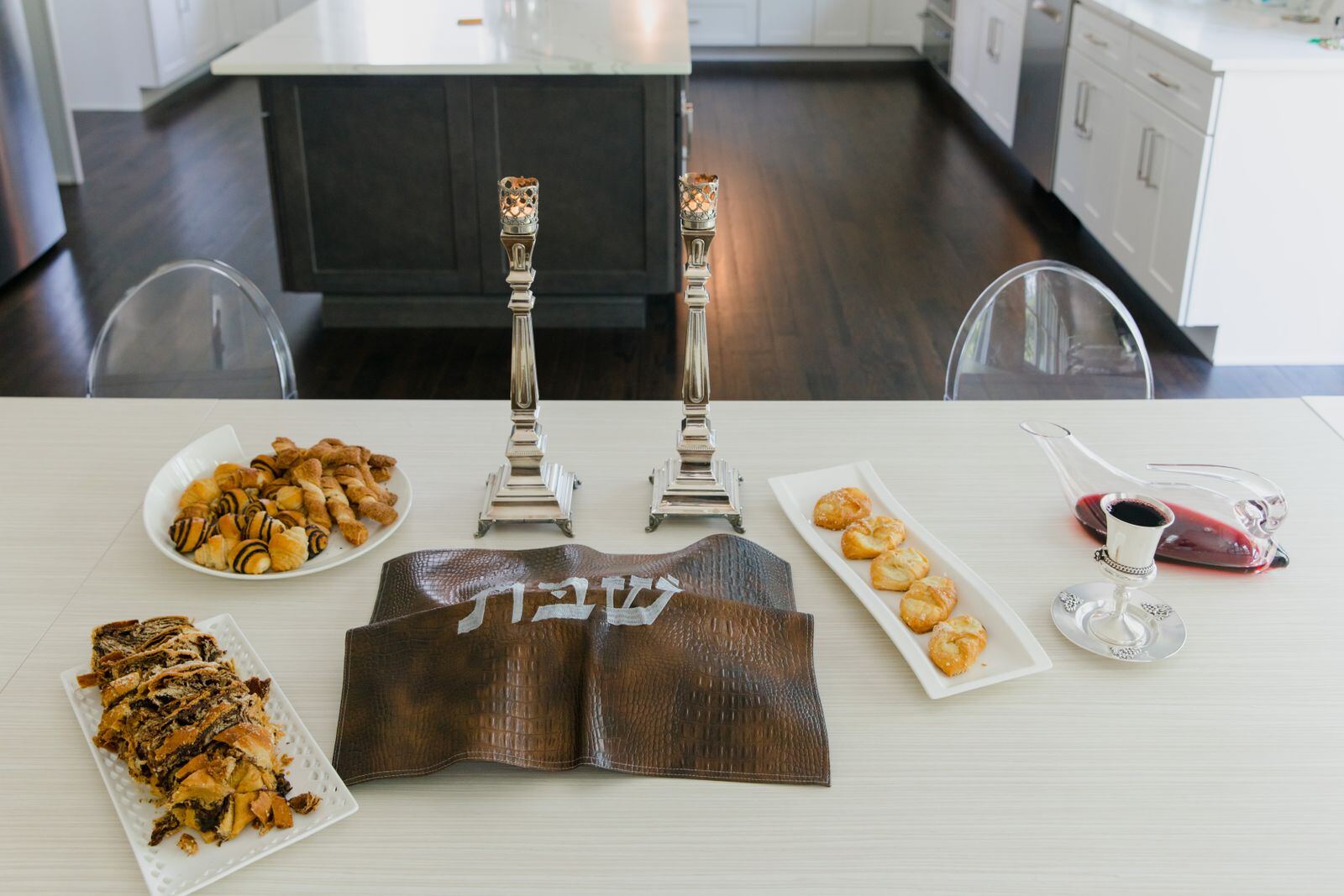
- Shabbat (שַׁבָּת) is a day of rest that G-d set after the six days of creation. It says that the world has a purpose beyond the cycle of work and effort. We stop, and we remember that we are not the ones running the world.
- Brit milah (בְּרִית מִילָה) changes the body from the way it was born. It says that a Jew is shaped by something higher than nature. Read more in our guide to brit milah.
- Rosh Chodesh (רֹאשׁ חֹדֶשׁ) is the new month, and the Jewish calendar is set by the declaration of the sages, not just by the movements of the moon. It says that the authority of the Torah stands even where nature seems to speak. See Rosh Chodesh.
A worldview that said "everything runs by nature alone" would naturally go after exactly these three.
What Greek culture was really about
The Greeks admired beauty, thought and strength, and Judaism does not oppose wisdom. Chabad teaching describes the Hellenist challenge in a precise way: it looked at life only "from the bottom up." Everything is natural, everything depends on human intellect and strength, and there is no need to look higher.
The danger was not mainly physical. In the time of Purim the decree was to destroy the Jewish people. In the time of Chanukah the aim was different: to make Jews forget that there is Someone above nature, and turn Torah into one more philosophy. That is why this fight is called a spiritual war. Read how this connects to the question of the miracle in Was the Chanukah Miracle the Oil or the Victory?.
Some Jews chose the other side
It is a painful part of the story that some Jews, called Hellenists, adopted Greek ways and welcomed the king's decrees, hoping for position and power. The Maccabees were fighting for their own people as well, so that Jewish life would not fade away from within.
What this means today
We do not face a king's decree in Lafayette, Moraga or Orinda. But the same questions come quietly: Is Shabbat just a day off, or something holy? Do we give our children a Jewish start? Is Jewish time, with its holidays and months, still part of our lives? The three mitzvot that were banned are the three doors back in. A Friday-night dinner, a bris, noticing Rosh Chodesh on the calendar: each one is a small way of saying, "We are still here."
In Lamorinda: Come feel what the Maccabees fought for: Shabbat at Chabad of Lamorinda in Lafayette. Call 925-384-7242 to hear what is planned.
Common questions
What did the Greeks ban in the Chanukah story?
The Greeks banned Torah study, keeping Shabbat, sanctifying Rosh Chodesh and brit milah. Those who kept them risked their lives.
Why did Antiochus ban Shabbat?
Shabbat teaches that the world has a Creator and a purpose beyond nature. Chabad teaching explains that a culture that saw only nature at work targeted the mitzvot that say otherwise.
Why did the Greeks target Rosh Chodesh and brit milah?
Rosh Chodesh sets Jewish time by the Torah's authority, and brit milah marks the body as Jewish. Both say there is something above nature, which is what the Greek outlook denied.
Did the Greeks want to kill the Jews?
Chabad teaching explains that the aim was different from the decree in the Purim story. The Greeks wanted Jews to give up Torah and the connection to G-d, not only to be destroyed physically.
What is a Hellenist?
A Hellenist (in Hebrew, mityaven) was a Jew who adopted Greek culture and turned away from the Torah. The word comes from "Hellas," the Greek name for Greece.
How can my family keep these mitzvot today in Lafayette, Moraga or Orinda?
Start small, with Shabbat at home. Call Chabad of Lamorinda in Lafayette at 925-384-7242 with any question about Shabbat, a bris or anything else.
Take the next step
- Read the next guide, Who Was Antiochus?, to meet the king behind the decrees.
- Bring Shabbat home: see Shabbat for Beginners and this week's Shabbat times.
- Join us in Lafayette: call 925-384-7242 or see events.
Questions about this, or something on your mind? Message the Rabbi or the Rebbetzin privately, or call 925-384-7242. · Email
Read next
 Who Were the Maccabees? Mattityahu, Judah, Yehudit and the Courage of ChanukahWho the Maccabees were: Mattityahu the priest and his sons, Judah the Maccabee, the Greek decrees, the Temple relit, Yehudit, and what it means today.Read next →