
Learn › Mourning & remembrance › When a loved one is dying
When a Loved One Is Dying: A Jewish Guide for the Last Days
How to be with a loved one at the end of life the Jewish way: being present, the Shema and Vidui, what to do at the moment of passing, and who to call.
Part 1 of 40 · When we lose someone, step by step
On this page · 3 min read
Being present is the main thingSaying the Shema and ViduiTehillim and tzedakahPractical matters, ahead of timeAt the moment of passingTake care of yourself tooWhen someone we love is near the end of their life, it can feel like there is nothing left to do. Judaism teaches the opposite: these days are precious, and there is a great deal of love, dignity and holiness we can still give. You do not need to know everything. Call the Rabbi, and we will walk with you.
Being present is the main thing
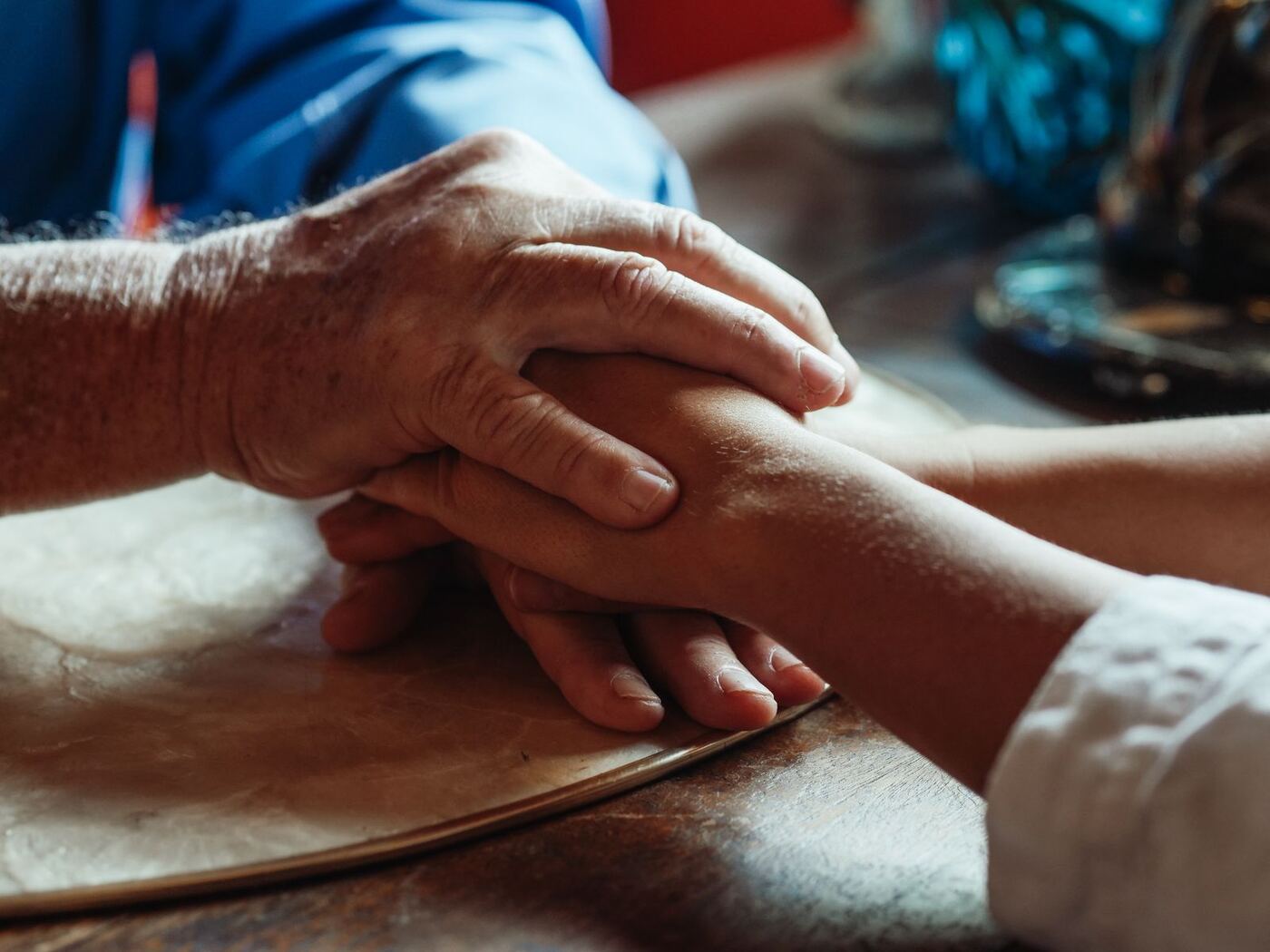
The most important gift is your presence. Sit with your loved one, hold their hand, talk to them softly. Hearing is often the last sense to fade, so speak as if they hear every word: tell them you love them, thank them, remember good times together, and ask forgiveness for anything unresolved. Many families take turns so that the person is never alone.
Jewish tradition treats the last hours of life with great respect. Every moment of life has value, until the very end. Speak gently in the room, avoid arguments, and keep the atmosphere calm.
Saying the Shema and Vidui
Two short prayers are traditionally said near the end of life:
- Vidui, a short confession and prayer, asking G-d for forgiveness and for healing, and placing the soul in His hands. It is said by the person if they are able, or by someone at their side. It does not mean giving up hope: the words themselves ask for recovery.
- The Shema, "Hear O Israel, the L-rd is our G-d, the L-rd is One." Jews have said these words at the end of life for thousands of years. Saying them with your loved one, or for them, is a beautiful last connection to their people and their soul.
The Rabbi can come and say these prayers with you, or guide you over the phone. If your loved one is not observant or you are not sure what they would want, that is fine: these words belong to every Jew.
Tehillim and tzedakah
Many families say Tehillim (Psalms) at the bedside, especially chapters 20, 23, 91 and 121, and give tzedakah in the merit of their loved one. See Tehillim for every occasion.
Practical matters, ahead of time
If you can, think about these before the last day, so you are not deciding in a rush:
- A Jewish funeral and burial. Jewish tradition calls for burial, not cremation, as soon as possible after passing. Let the Rabbi know early, and he will help you arrange a Chevra Kadisha (the sacred burial society) and the funeral.
- Medical decisions. Questions about life support, feeding tubes or pain medication can be hard. Jewish law has clear and caring guidance, and every case is different, so ask the Rabbi. A halachic will or advance directive can make your wishes clear.
- Hospice and hospital staff. Tell them your family is Jewish and would like the Rabbi called at the end.
At the moment of passing
When the soul leaves the body, those present may say "Baruch Dayan HaEmet," "Blessed is the true Judge." Close the eyes gently, cover the body with a sheet, and, if possible, open a window. The custom is to stay with the body and not leave it alone, saying Tehillim, until the Chevra Kadisha arrives. Call the Rabbi first, before the burial society or a funeral home: he will guide you through every step and make the arrangements. See the Jewish funeral and someone passed away.
Take care of yourself too
Watching someone you love decline is exhausting. Eat, rest, accept help from friends, and let yourself cry. You are doing a great mitzvah by being there. The Rebbetzin and the Rabbi are here to talk, any time you need.
In Lamorinda: Families in Lafayette, Moraga and Orinda: call Rabbi Yisroel Labkowski at 925-384-7242, or the Rebbetzin at 925-384-7241. We will help you through these days, at home, in hospice or in the hospital.
Common questions
Is it wrong to pray for a peaceful passing?
Jewish tradition always prays for life and healing. At the same time, when a person is suffering, it is permitted to pray for G-d's mercy, without asking for death directly. Every situation is personal, so speak with the Rabbi.
My loved one is not religious. Should I still say the Shema?
Yes. The Shema belongs to every Jew. You can say it quietly, holding their hand, even if they cannot respond.
Can a Rabbi come to a hospice or care home in Lamorinda?
Call Rabbi Labkowski at 925-384-7242 and he will arrange to visit or help over the phone.
Do we have to bury quickly if relatives are flying in?
Burial is done as soon as possible, and a short delay for close family to arrive is often allowed. Ask the Rabbi about your situation.
Take the next step
- Call Rabbi Labkowski at 925-384-7242 or the Rebbetzin at 925-384-7241 for a visit, prayers and support.
- Read what to do in the first hours and the Jewish funeral.
Step by step · Part 1 of 40
When we lose someone, step by step
NextSomeone Just Died: What to Do in the First Hours, Jewish GuideWhat to do when someone dies, step by step, at home or in the hospital. Call Rabbi Labkowski first at 925-384-7242, and he will guide you.All 40 parts
- When a Loved One Is Dying: A Jewish Guide for the Last Days
- Someone Just Died: What to Do in the First Hours, Jewish Guide
- Can't Afford a Jewish Funeral? Help Is Available. Call the Rabbi
- Why Jewish Burial Is So Important: Meaning, Mitzvah and Dignity
- Aninut: The Time Between Death and Burial
- Why Jews Bury Quickly: Burial Within a Day and When a Delay Is Allowed
- Buying a Plot in a Jewish Cemetery: What Makes a Cemetery Jewish and What to Ask
- Autopsy and Jewish Law: What Families Should Know
- Embalming, Viewing and Open Caskets: The Jewish View, Explained Gently
- What Is Tahara? The Chevra Kadisha and Preparing a Jewish Body for Burial
- A Plain Wooden Casket and White Shrouds: Why Every Jew Is Buried the Same Way
- What to Wear to a Jewish Funeral, and What to Expect as a Guest
- Jewish Funeral Customs: What to Do When a Loved One Passes Away
- How to Write and Give a Eulogy at a Jewish Funeral
- Kriah: Tearing the Garment When a Loved One Passes Away
- The Meal of Condolence (Seudat Havraah): The Mourners' First Meal After the Funeral
- Who Sits Shiva? Who Is a Mourner in Jewish Law
- Sitting Shiva: A Simple Guide for Mourners and Visitors
- Setting Up a Shiva House: A Practical Checklist for Families
- Shiva and Holidays: What Happens When a Holiday or Shabbat Comes During Mourning
- Comforting Mourners: What to Say and Do After a Jewish Loss
- What to Bring to a Shiva House: Food, Kindness and Presence, Not Flowers
- Writing a Jewish Condolence Note: What to Say and What Not to Say
- The Mourner's Kaddish: Meaning, When to Say It and Who Says It
- Sheloshim: The 30 Days of Mourning After a Funeral
- The Year of Mourning for a Parent in Judaism
- Mourning and Simchas: Weddings, Parties and Music in the Year of Mourning
- Losing a Husband or Wife: A Jewish Guide for the Days and the Year After
- When a Child Dies: Jewish Comfort and Mourning for Parents
- Losing a Parent: Jewish Wisdom and Comfort for Sons and Daughters
- Writing a Jewish Headstone Inscription: Hebrew Name, Dates and Symbols
- Unveiling a Headstone: Jewish Customs and What to Expect
- Yahrzeit: How to Observe the Anniversary of a Loved One's Passing
- The First Yahrzeit: How to Mark One Year Since a Loss
- A Memorial Plaque in the Synagogue: Remembering a Loved One
- Learning Torah in Memory of a Loved One
- Giving in Memory: Tzedakah for a Yahrzeit and for the Soul of a Loved One
- Yizkor: The Jewish Memorial Prayer and When It Is Said
- El Malei Rachamim: The Jewish Memorial Prayer, Meaning and When It Is Said
- Visiting a Jewish Grave: When to Go and What to Say
Questions about this, or something on your mind? Message the Rabbi or the Rebbetzin privately, or call 925-384-7242. · Email
Read next
 Bikur Cholim: The Mitzvah of Visiting the SickWhat bikur cholim means, why visiting the sick is a great mitzvah, how to visit well, what to say, and how to pray for someone who is ill.Read next →