
Learn › Shabbat & holidays › The Omer, Lag BaOmer and Shavuot
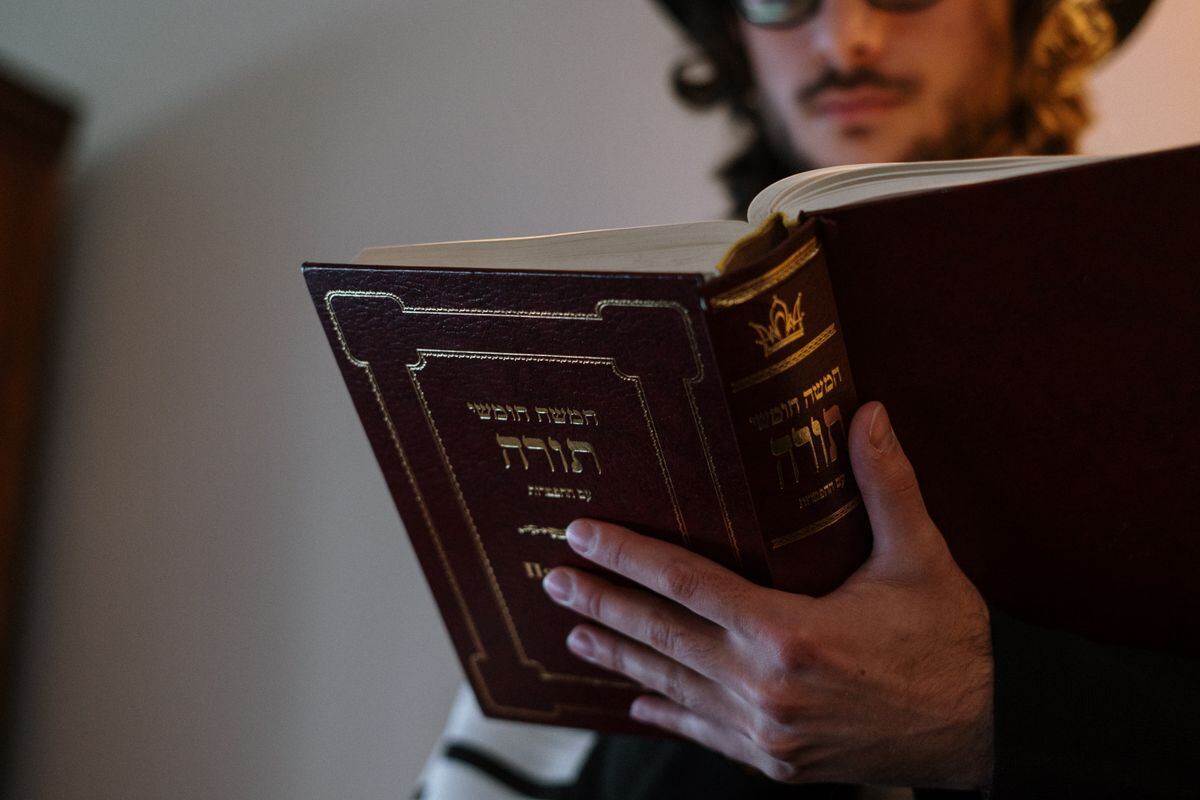
Staying Up to Learn on Shavuot Night (Tikkun Leil Shavuot)
Why Jews stay up learning Torah on Shavuot night, what is studied, how to join or learn at home, and bringing children to hear the Ten Commandments.
Part 29 of 30 · Passover, step by step
On this page · 3 min read
Why we stay awakeWhat is learnedHow to joinDoing it at homeThe next morning: the Ten CommandmentsOnce a year, Jews around the world do something unusual: they stay up all night studying Torah. It happens on the first night of Shavuot, the holiday of the giving of the Torah, and it is called Tikkun Leil Shavuot, "the repair of Shavuot night." Coffee, cheesecake and a room full of people learning until the sky turns light: for many it is the most memorable night of the Jewish year.
Why we stay awake
The Midrash tells that on the morning the Torah was to be given at Mount Sinai, the Jewish people overslept. G-d Himself had to wake them with thunder and lightning. Ever since, we make up for that morning by staying awake the whole night before, showing that this time we are ready, eager and waiting.
Chassidic teaching adds a deeper layer. Each year on Shavuot the Torah is given anew, and each of us receives it according to how much we want it. A night of learning is the way we say: we want it.
What is learned
The traditional text, also called the Tikkun, is a collection of short passages: the beginning and end of every book of the Torah and the Prophets, selections from the Mishnah, the 613 mitzvot, and passages of the Zohar. Reading it is a way of touching the whole Torah in one night.
Most communities today also offer classes and discussions through the night, on anything from the Ten Commandments to Jewish ethics, the Book of Ruth (read on Shavuot), Kabbalah or current questions. Any Torah learning counts. The point is not to finish a book but to spend the night with the Torah. See daily Torah study for how to keep it going afterward.
How to join
Many communities hold Shavuot night learning, often with refreshments and classes for every level; call Rabbi Yisroel Labkowski at 925-384-7242 to hear what Chabad of Lamorinda has planned this year for families in Lafayette, Moraga and Orinda. No background is needed, and you do not have to stay until morning: an hour or two counts, and so does one good conversation. Come after the holiday meal, bring a friend, and leave when you are tired.
Doing it at home
If you cannot come out, or you have small children asleep, learn at home. A few ideas:
- Read the story of the giving of the Torah, Exodus chapters 19 and 20, and talk it through.
- Read the Book of Ruth, a short and beautiful story of loyalty and kindness.
- Pick one of the 613 mitzvot you have never thought about and find out what it means.
- Learn with a partner, in person or by phone before the holiday begins; Shavuot is a Yom Tov, so phones and screens are put away once it starts.
The next morning: the Ten Commandments
On the first morning of Shavuot the Ten Commandments are read from the Torah, and the whole congregation stands to hear them, as our ancestors stood at Sinai. The Rebbe asked that every Jewish child, including babies, be brought to hear the reading. The Midrash says that when G-d asked the Jewish people for guarantors that they would keep the Torah, He accepted only one answer: "Our children." Hearing the Ten Commandments is each child's way of standing at Sinai too, and many communities hold a children's program with ice cream right after.
Shavuot is also the holiday of dairy foods, and it comes at the end of counting the Omer, seven weeks after Passover. See this year's dates and times.
In Lamorinda: Families in Lafayette, Moraga and Orinda: call Rabbi Yisroel Labkowski at 925-384-7242 to hear what Chabad of Lamorinda has planned for Shavuot this year.
Common questions
Do I have to stay up the whole night?
No. Staying up all night is a beloved custom, not a law. Learn as long as you comfortably can. Those who do stay up say the morning prayers and then sleep during the day.
I have no Jewish background. Can I still come?
Yes. Shavuot night classes are for everyone, and questions are the best part. Classes are usually in English, with the Hebrew explained. Come as you are.
Can my children come to the Ten Commandments reading?
Yes, please bring them, even the smallest. The reading is short, and children are the reason we read it. Many synagogues have something for children afterwards; ask the Rabbi what is planned this year.
Can I drive to the learning on Shavuot night?
Driving is not permitted on Yom Tov, as on Shabbat, so many people walk or stay nearby. If that is not possible for you, speak with the Rabbi about what works for your family.
Step by step · Part 29 of 30
Passover, step by step
NextShavuot With Kids: Why Children Hear the Ten Commandments, Plus ActivitiesWhy we bring children, even babies, to hear the Ten Commandments on Shavuot, and simple ideas to make the holiday fun for kids at home.All 30 parts
- Passover for Beginners: What to Do and How to Prepare
- Maot Chitim: Helping Others Have a Passover (Wheat Money)
- Chametz: What It Is and How to Get Rid of It Before Passover
- Passover Cleaning Without the Stress: What You Really Need to Do
- Selling Your Chametz Before Passover: How It Works
- Shabbat HaGadol: The Great Shabbat Before Passover and Why It Is Called Great
- The Fast of the Firstborn and the Siyum Before Passover
- Kosher for Passover: What It Means and How to Prepare
- Kitniyot: Rice, Beans and Corn on Passover and Who Avoids Them
- Passover Shopping: What Needs a Kosher-for-Passover Label
- A Simple Passover Seder Menu: Charoset, Brisket and a Cooking Plan
- Matzah: What It Is and Why Shmurah Matzah Matters
- Gluten-Free Matzah: Passover with Celiac or a Wheat Allergy
- The Seder Plate: What Goes On It and How to Arrange It
- The Haggadah: What It Is, How to Read It and Choosing One
- How to Host a Passover Seder: A Calm, Step-by-Step Plan for First-Timers
- The Passover Seder: A Simple Step-by-Step Guide
- The Four Cups of Wine at the Seder: Why, When and How Much
- The Four Questions (Mah Nishtanah): Words, Meaning and Who Asks
- The Afikoman: Meaning, Hiding Custom and When to Eat It
- Dayenu, Chad Gadya and the Songs of the Seder: Meaning and Why We Sing
- The Exodus Story: How the Jews Left Egypt
- The Ten Plagues of Egypt in Order: What Happened and What They Teach
- The Last Days of Passover: The Splitting of the Sea and Moshiach's Meal
- Counting the Omer: How to Count the 49 Days From Passover to Shavuot
- Lag BaOmer: Bonfires, Rabbi Shimon and a Day of Joy
- Shavuot for Beginners: The Ten Commandments, Dairy Foods and Learning All Night
- The Book of Ruth: Summary and Why We Read It on Shavuot
- Staying Up to Learn on Shavuot Night (Tikkun Leil Shavuot)
- Shavuot With Kids: Why Children Hear the Ten Commandments, Plus Activities
Questions about this, or something on your mind? Message the Rabbi or the Rebbetzin privately, or call 925-384-7242. · Email
Read next
 The Ten Commandments: What They Say and What They MeanThe Ten Commandments in plain English, where they appear in the Torah, how they were given at Sinai, and why we hear them read on Shavuot.Read next →