
Learn › Shabbat & holidays › Elul and Rosh Hashanah
Shabbat Shuva: The Shabbat Between Rosh Hashanah and Yom Kippur
What Shabbat Shuva (Shabbat Shuvah) is, the special haftarah, the rabbi's talk, why it is called the Shabbat of Return, and how to make it meaningful.
Part 11 of 20 · The High Holidays, step by step
On this page · 3 min read
Why it is called ShuvaWhat is different in the serviceThe Rabbi's talkA quieter way into Yom KippurTeshuvah rooted in loveHow to make it meaningfulTake the next stepShabbat Shuva, the "Shabbat of Return," is the Shabbat that falls between Rosh Hashanah and Yom Kippur. It is named for the opening words of its special haftarah, "Shuvah Yisrael," "Return, O Israel." It is a gentle, hopeful day, one of the best times of the year to come to synagogue and think about teshuvah.
Why it is called Shuva
The haftarah, a reading from the Prophets, is from Hosea, and begins "Shuvah Yisrael ad Hashem Elokecha," "Return, O Israel, to the L-rd your G-d." That word shuvah, "return," gives the Shabbat its name. It is also called Shabbat Teshuvah. See the haftarah.
It falls during the Ten Days of Repentance, between Rosh Hashanah and Yom Kippur; see the Ten Days. Because Rosh Hashanah can fall on different days of the week, the Torah portion changes from year to year: sometimes it is Vayelech and sometimes Haazinu.
What is different in the service
The service follows an ordinary Shabbat, with a few changes. The Ten Days additions are put into the Amidah, and Avinu Malkeinu, the prayer we say on weekdays of these days, is not said on Shabbat. The haftarah is the heart of the day.
The Rabbi's talk
In many communities, the rabbi gives one of the main sermons of the year on this Shabbat, speaking about teshuvah, its meaning and how to start. It is a moment to reflect on the past year and to prepare for Yom Kippur. Come listen: you do not need to know a thing.
A quieter way into Yom Kippur
Rosh Hashanah is a day of crowds and shofar blasts, and Yom Kippur is a day of fasting. Shabbat Shuva sits between them like a pause to breathe. There is no fast, no rush, just a Shabbat table, a good talk and time to think. For families in Lafayette, Moraga and Orinda with little ones, it is also the easiest of the High Holiday days to come to: short, warm and welcoming.
Teshuvah rooted in love
Teshuvah does not mean guilt. The word means "return," like a child coming home. Chassidic teaching stresses that returning to G-d out of love is the highest kind of teshuvah, and the Rebbe taught that this Shabbat carries special power for it. Read more in teshuvah. Our sages also say that the Shabbat of each week is a taste of the world to come, so a Shabbat during these days is a perfect time for fresh resolutions.
How to make it meaningful
- Come to synagogue, even for an hour, and hear the haftarah and the talk.
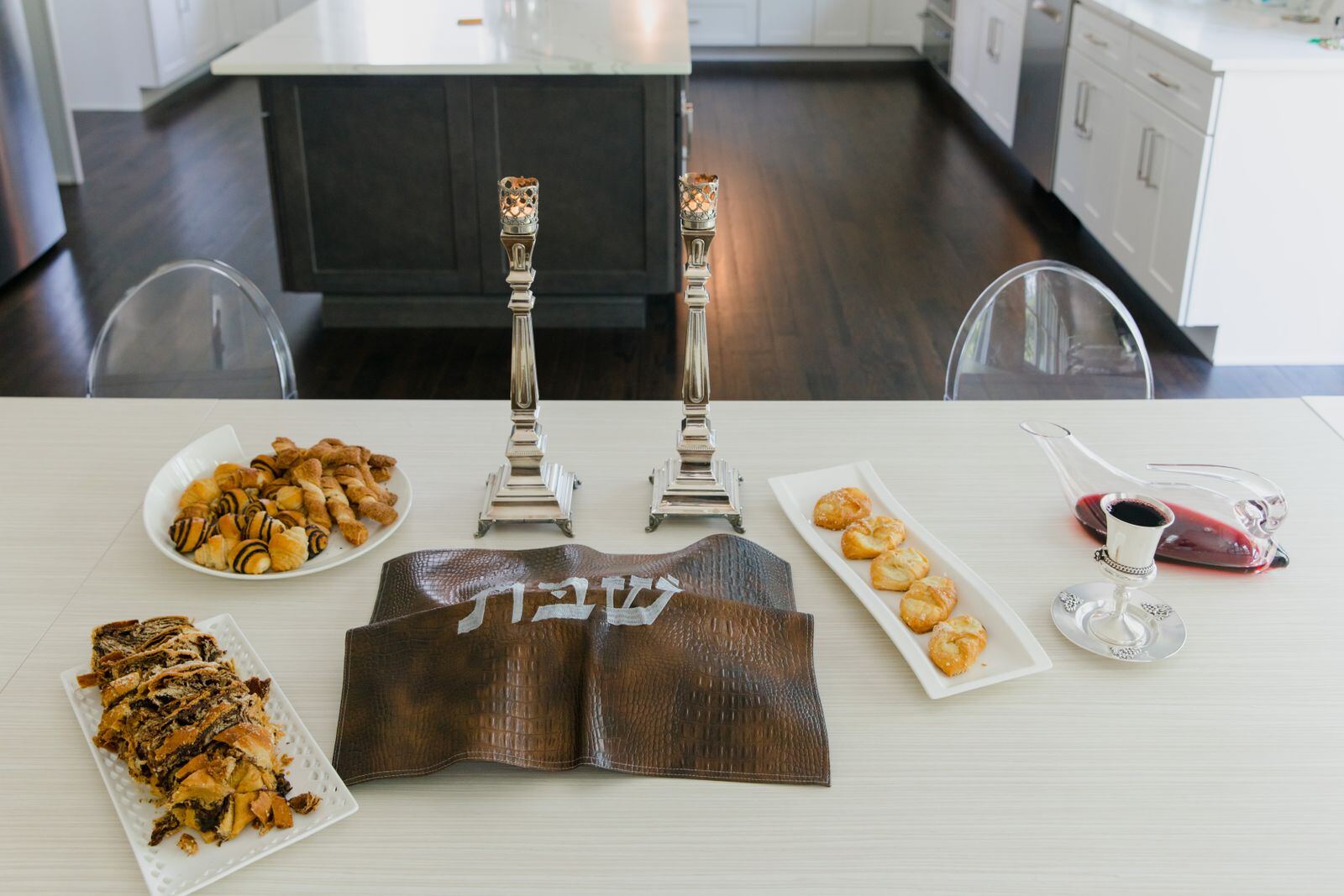
- Light candles and share a Shabbat meal; see Shabbat and Shabbat times.
- Decide on one good resolution to carry into the new year.
- Call or write someone you need to apologize to.
- Give charity before Yom Kippur; see tzedakah.
Take the next step
- Come to Shabbat services. Call Rabbi Labkowski at 925-384-7242 to hear what is planned for Shabbat Shuva.
- Read on to Yom Kippur for beginners.
- Sign up for the High Holidays.
In Lamorinda: Join us for Shabbat during the Ten Days of Repentance; everyone from Lafayette, Moraga and Orinda is welcome. Call Rabbi Labkowski at 925-384-7242 to hear what is planned.
Common questions
What is Shabbat Shuva?
It is the Shabbat between Rosh Hashanah and Yom Kippur, named for its special haftarah, which begins "Return, O Israel."
Why is it called Shabbat Shuva?
"Shuva" means "return." The haftarah from Hosea calls the Jewish people to return to G-d.
What is the haftarah for Shabbat Shuva?
A reading from the prophet Hosea beginning "Shuvah Yisrael," about returning to G-d. See the haftarah guide.
What is the Torah reading on Shabbat Shuva?
Vayelech or Haazinu, depending on the year, because Rosh Hashanah falls on different days.
Is Avinu Malkeinu said on Shabbat Shuva?
No. It is not said on Shabbat, including Shabbat Shuva.
What do you do on Shabbat Shuva?
Pray, hear the haftarah and the rabbi's talk about teshuvah, enjoy Shabbat meals, and prepare for Yom Kippur.
Step by step · Part 11 of 20
The High Holidays, step by step
NextYom Kippur for Beginners: Your First Day of AtonementA first-timer's guide to Yom Kippur: what the day means, the five things we refrain from, who should not fast, Kol Nidre, Yizkor, Neilah and what to wear.All 20 parts
- The Month of Elul: How to Prepare for the High Holidays
- Selichot: The Prayers for Forgiveness Before Rosh Hashanah
- Rosh Hashanah for Beginners: Your First Jewish New Year
- The Binding of Isaac (Akeidah): The Story We Read on Rosh Hashanah
- Rosh Hashanah Simanim: Apple and Honey and the Symbolic Foods
- The Shofar: Why We Blow It on Rosh Hashanah and How to Hear It
- Unetaneh Tokef: "Who Will Live and Who Will Die" Explained
- Tashlich: The Rosh Hashanah Prayer by the Water
- The Ten Days of Repentance: Between Rosh Hashanah and Yom Kippur
- Avinu Malkeinu: Meaning of "Our Father, Our King" and When We Say It
- Shabbat Shuva: The Shabbat Between Rosh Hashanah and Yom Kippur
- Yom Kippur for Beginners: Your First Day of Atonement
- Yom Kippur With Kids: When Children Fast and How to Make the Day Meaningful
- Teshuvah: Repentance and Returning to G-d in Judaism
- Kapparot: The Custom Before Yom Kippur
- Erev Yom Kippur: Customs for the Day Before Yom Kippur
- Kol Nidre: Meaning, Time and What Happens
- The Book of Jonah: Story, Meaning and Why We Read It on Yom Kippur
- The Yom Kippur Fast: Rules, Tips and Who Is Exempt
- Neilah: The Closing Prayer of Yom Kippur and What Happens at Sunset
Questions about this, or something on your mind? Message the Rabbi or the Rebbetzin privately, or call 925-384-7242. · Email
Read next
 The Ten Days of Repentance: Between Rosh Hashanah and Yom KippurWhat the Ten Days of Teshuvah are, what Shabbat Shuvah is, and simple things to do between Rosh Hashanah and Yom Kippur: tzedakah, apologies, resolutions.Read next →