
Learn › Kosher › Shopping, Passover and family food
Gluten-Free Matzah: Passover with Celiac or a Wheat Allergy
Is there gluten-free matzah for the Seder? Learn about oat matzah, why rice or potato matzah does not count, and how to plan Passover with celiac disease.
Part 13 of 30 · Passover, step by step
On this page · 2 min read
What makes matzah, matzahWhy rice and potato do not countCeliac disease, intolerance and allergyGluten-free shmurah oat matzahA gluten-free Seder, step by stepPeople who cannot eat wheat can ask the Rabbi about gluten-free oat matzah for the Passover Seder: oats are one of the five grains from which matzah may be made, although some authorities are strict about oat matzah, so the Rabbi will guide you. Rice, potato and tapioca "matzah" do not fulfill the mitzvah, and spelt matzah contains gluten, so it is not safe for celiac disease.
What makes matzah, matzah
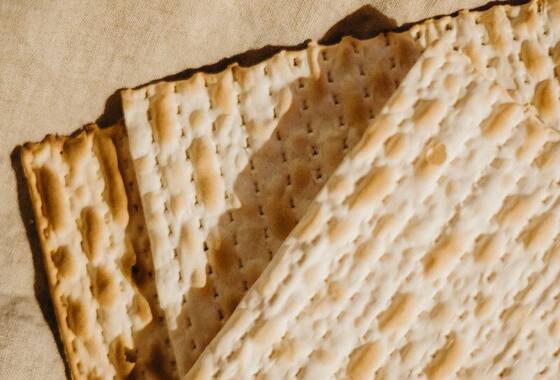
Matzah (מַצָּה) is unleavened bread, baked quickly from flour and water. The Torah's commandment to eat it at the Seder can be fulfilled only with matzah made from one of the five grains: wheat, spelt, barley, rye or oats. The flour must be mixed with water and baked within 18 minutes, so it never ferments. Read more in matzah.
For most people, the Chabad custom is to use wheat matzah, preferably handmade shmurah matzah ("guarded" from the time of harvest). Oat matzah is for those who truly cannot eat wheat.
Why rice and potato do not count
Rice, potato, corn, tapioca and almond flours are not among the five grains. A product made from them may be a fine gluten-free food on Passover, but it is not matzah for the mitzvah of the Seder. Gluten-free "matzah" made from these ingredients cannot be used for the Seder, even if it has a Passover label.
Celiac disease, intolerance and allergy
Doctors separate celiac disease (an autoimmune reaction to gluten), wheat allergy and milder sensitivity. For someone with celiac disease, even a little wheat is harmful, and Judaism asks us to protect our health first (see pikuach nefesh).
- Celiac or wheat allergy: ask the Rabbi about oat matzah that is certified gluten-free and kosher for Passover. Spelt is not an option because it contains gluten.
- A mild sensitivity: ask your doctor, then ask the Rabbi what is right for you.
- Oats and celiac: some people with celiac disease react to oats, even pure ones. Check with your doctor before the Seder, not at the table.
Gluten-free shmurah oat matzah
Gluten-free oat shmurah matzah is available from some matzah bakeries. It is usually more expensive and its supply is limited, so order early, well before Passover. Ask the Rabbi what to look for on the package, and which products have a reliable symbol.
A gluten-free Seder, step by step
- Order oat matzah early, and keep it away from regular matzah and crumbs.
- Use a separate plate or a clean cloth for the matzah on the Seder plate, to avoid cross-contact.
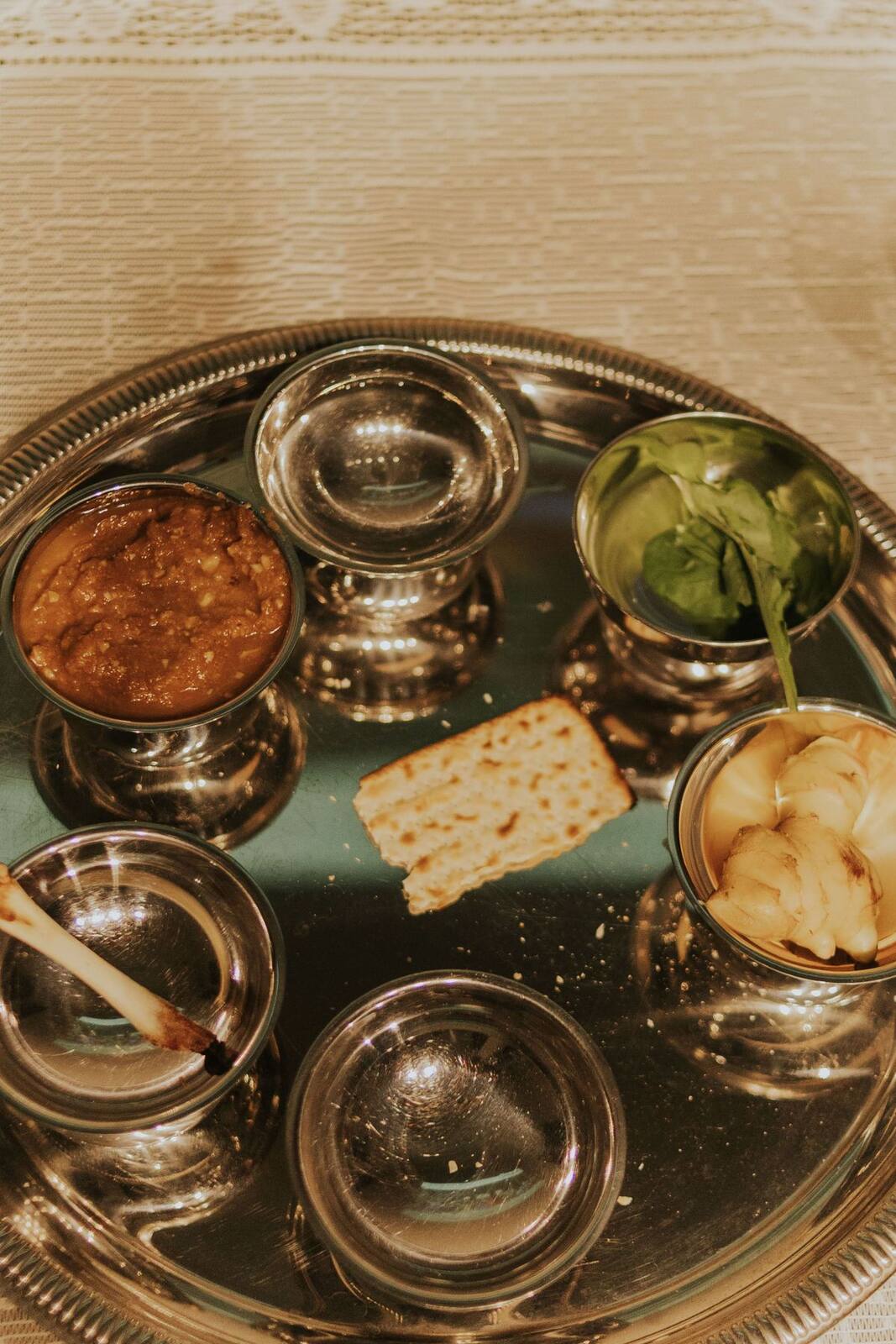
- Seder foods are naturally safe: karpas (vegetable), maror (bitter herb), charoset, eggs and wine are gluten-free, but check the packaging of each. See the Seder plate.
- Plan the meal around potatoes, rice dishes, meat, fish and vegetables, not matzah meal. Many "kosher for Passover" cakes use matzah meal, so read the ingredients.
- Ask the Rabbi how much matzah to eat and when, for your situation.
In Lamorinda: Celiac or a wheat allergy in your family? Call Rabbi Labkowski at 925-384-7242 well before Passover.
Common questions
Is there gluten-free matzah?
Yes. Gluten-free oat matzah, including shmurah oat matzah, is made for people who cannot eat wheat. Order early, since supply is limited.
Does rice or potato matzah count for the Seder?
No. Matzah for the mitzvah must be made from one of the five grains. Rice and potato products are not matzah, even if they say kosher for Passover.
Is spelt matzah gluten-free?
No. Spelt contains gluten, so it is not suitable for celiac disease or a wheat allergy.
Can someone with celiac disease fulfill the mitzvah of matzah?
Often yes, with certified gluten-free oat matzah, if oats are safe for that person; some authorities are stricter about oat matzah. Talk to your doctor and the Rabbi.
Is oat matzah okay if I just prefer not to eat gluten?
Matzah made of oats is for people who cannot eat wheat for health reasons. Ask the Rabbi about your situation, including a preference or mild sensitivity.
Where can I get help in Lafayette, Moraga or Orinda?
Call Chabad of Lamorinda at 925-384-7242, and use the matzah form. Rabbi Labkowski will help with the Seder.
Take the next step
- Read the Passover Seder step by step, and plan your Seder table.
- Use the Passover shopping list to see what needs a kosher-for-Passover label.
- Call the Rabbi at 925-384-7242 or order through the matzah form.
Step by step · Part 13 of 30
Passover, step by step
NextThe Seder Plate: What Goes On It and How to Arrange ItThe six items on the Passover seder plate, what each one means, and how to arrange the plate step by step according to Chabad custom.All 30 parts
- Passover for Beginners: What to Do and How to Prepare
- Maot Chitim: Helping Others Have a Passover (Wheat Money)
- Chametz: What It Is and How to Get Rid of It Before Passover
- Passover Cleaning Without the Stress: What You Really Need to Do
- Selling Your Chametz Before Passover: How It Works
- Shabbat HaGadol: The Great Shabbat Before Passover and Why It Is Called Great
- The Fast of the Firstborn and the Siyum Before Passover
- Kosher for Passover: What It Means and How to Prepare
- Kitniyot: Rice, Beans and Corn on Passover and Who Avoids Them
- Passover Shopping: What Needs a Kosher-for-Passover Label
- A Simple Passover Seder Menu: Charoset, Brisket and a Cooking Plan
- Matzah: What It Is and Why Shmurah Matzah Matters
- Gluten-Free Matzah: Passover with Celiac or a Wheat Allergy
- The Seder Plate: What Goes On It and How to Arrange It
- The Haggadah: What It Is, How to Read It and Choosing One
- How to Host a Passover Seder: A Calm, Step-by-Step Plan for First-Timers
- The Passover Seder: A Simple Step-by-Step Guide
- The Four Cups of Wine at the Seder: Why, When and How Much
- The Four Questions (Mah Nishtanah): Words, Meaning and Who Asks
- The Afikoman: Meaning, Hiding Custom and When to Eat It
- Dayenu, Chad Gadya and the Songs of the Seder: Meaning and Why We Sing
- The Exodus Story: How the Jews Left Egypt
- The Ten Plagues of Egypt in Order: What Happened and What They Teach
- The Last Days of Passover: The Splitting of the Sea and Moshiach's Meal
- Counting the Omer: How to Count the 49 Days From Passover to Shavuot
- Lag BaOmer: Bonfires, Rabbi Shimon and a Day of Joy
- Shavuot for Beginners: The Ten Commandments, Dairy Foods and Learning All Night
- The Book of Ruth: Summary and Why We Read It on Shavuot
- Staying Up to Learn on Shavuot Night (Tikkun Leil Shavuot)
- Shavuot With Kids: Why Children Hear the Ten Commandments, Plus Activities
Questions about this, or something on your mind? Message the Rabbi or the Rebbetzin privately, or call 925-384-7242. · Email
Read next
 Matzah: What It Is and Why Shmurah Matzah MattersWhat matzah is, the mitzvah of eating it at the Passover Seder, what shmurah matzah means, how much to eat, and the blessing in Hebrew and English.Read next →