
Learn › Mourning & remembrance › Yahrzeit and remembrance
The First Yahrzeit: How to Mark One Year Since a Loss
The first yahrzeit is one Hebrew year after a death. How to find the date, light the candle, say Kaddish, give tzedakah, learn and visit the grave.
Part 34 of 40 · When we lose someone, step by step
On this page · 3 min read
Finding the dateThe night before: the candleWhat to do on the dayFastingVisiting the graveThe first yahrzeit (יארצייט) is the first anniversary of a death by the Hebrew calendar: one Hebrew year after the date of death, on the same Hebrew month and day. On that day, Jewish tradition asks us to light a memorial candle, say Kaddish, give charity and learn Torah in the person's memory.
Chabad of Lamorinda can arrange Kaddish for your loved one: please use the form on our Kaddish page. A memorial plaque can also be added in the synagogue; please consult the Rabbi (925-384-7242).
For someone who has lost a parent, it also marks the end of the twelve months of mourning.
Finding the date
The yahrzeit follows the Hebrew calendar, so it falls on a different secular date each year. For example, a death on 4 Elul falls, a year later, on 4 Elul.
- If burial was delayed, the yahrzeit still follows the date of death. Some authorities use the burial date for the first year if burial was long delayed, so ask the Rabbi.
- If the death was at dusk, the following day is considered the yahrzeit.
- Leap years, and deaths in Adar, Kislev or Tevet have special rules. The first yahrzeit can fall differently in these cases. Ask the Rabbi to confirm your date.
See our guide to the yahrzeit for more on dates. You can also save your family's dates in your free account, and we will send reminders.
The night before: the candle
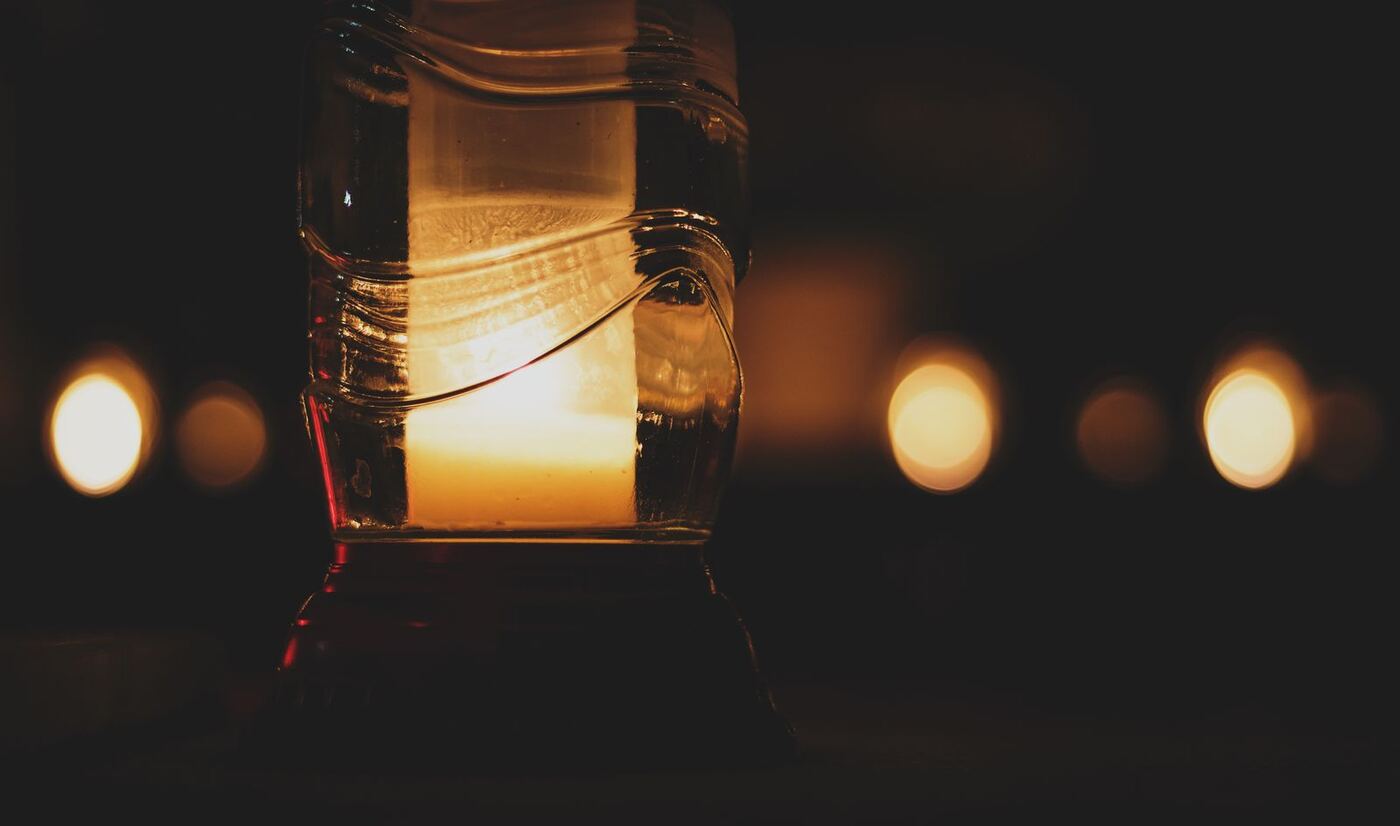
Light a memorial candle at nightfall on the evening before the yahrzeit, and let it burn out by itself unless there is a fire risk. A real candle is preferred over an electric bulb. When the yahrzeit falls on Shabbat or a holiday, the candle is lit before the regular candle lighting. If you forgot, light it the next morning (but not on Shabbat), and if the day has passed, give to charity. See the yahrzeit candle.
What to do on the day
- Say Kaddish at every service of the day. A psalm is usually added to the morning service so that the mourner can say at least one Kaddish alone. Kaddish requires a minyan. Read about Kaddish, and see our Kaddish page if you cannot be at a minyan.
- Lead the services if you can, or at least learn the short afternoon prayer, Minchah.
- Learn Torah. Mishnah is traditional, and its letters are the same as the word neshamah, "soul." If that is not possible, read a chapter of the Bible. See learning in memory of a loved one.
- Give tzedakah in the person's memory: to a school, a synagogue, a medical cause or the poor.
- Bring refreshments to the morning service and say "l'chaim." This is customary, but it should not become a full party.
On the Shabbat before the yahrzeit, a mourner traditionally receives an aliyah, and if possible chants the maftir.
Fasting
Some mourners fast from dawn to nightfall. Once someone takes this on every year, it becomes an obligation. If you cannot fast, avoid meat, wine and festivities instead. Do not fast on holidays or other joyous days. If you are unsure, ask the Rabbi.
Visiting the grave
An annual visit is traditional. Recite Psalms and the memorial prayer, in Hebrew or English, and study Mishnah at the graveside if you can. It is better to say them yourself than to hire someone. Prayers are directed to G-d, not to the person who died. See visiting a grave. If the stone is not yet set, the unveiling is customarily held within the first year.
In Lamorinda: Approaching a first yahrzeit? Call Rabbi Labkowski at 925-384-7242, or save the date in your free account at /account to get reminders.
Common questions
What is a first yahrzeit?
It is the first anniversary of a person's death according to the Hebrew calendar. It falls one Hebrew year after the date of death.
How do I find the date of the first yahrzeit?
Convert the date of death to the Hebrew calendar, and use the same Hebrew month and day one year later. In a leap year or for a death in Adar, ask the Rabbi to confirm.
What do you do on a first yahrzeit?
Light a candle on the evening before, say Kaddish, learn Torah, give tzedakah and visit the grave if possible.
Do I stop saying Kaddish before the yahrzeit?
For a parent, Kaddish is said for eleven months, and then again at every yahrzeit. The twelve months of mourning end at the first yahrzeit.
Can I light the candle on Shabbat?
Light it before the day begins, before regular candle lighting, since a flame is not kindled on Shabbat. Ask the Rabbi if you forgot or have questions.
Do we have to go to the cemetery?
An annual grave visit is traditional, but if you cannot go, you can say Psalms and learn Mishnah elsewhere.
Take the next step
- If you are in Lafayette, Moraga or Orinda, call Rabbi Labkowski at 925-384-7242 to ask about saying Kaddish with a minyan on the day, or visit Kaddish.
- Save the date in your account for yearly reminders.
- Read next: the year of mourning and the unveiling.
Step by step · Part 34 of 40
When we lose someone, step by step
NextA Memorial Plaque in the Synagogue: Remembering a Loved OneHow to remember a loved one with a memorial plaque in the synagogue, with Kaddish, tzedakah and the yahrzeit. Ask Rabbi Labkowski: 925-384-7242.All 40 parts
- When a Loved One Is Dying: A Jewish Guide for the Last Days
- Someone Just Died: What to Do in the First Hours, Jewish Guide
- Can't Afford a Jewish Funeral? Help Is Available. Call the Rabbi
- Why Jewish Burial Is So Important: Meaning, Mitzvah and Dignity
- Aninut: The Time Between Death and Burial
- Why Jews Bury Quickly: Burial Within a Day and When a Delay Is Allowed
- Buying a Plot in a Jewish Cemetery: What Makes a Cemetery Jewish and What to Ask
- Autopsy and Jewish Law: What Families Should Know
- Embalming, Viewing and Open Caskets: The Jewish View, Explained Gently
- What Is Tahara? The Chevra Kadisha and Preparing a Jewish Body for Burial
- A Plain Wooden Casket and White Shrouds: Why Every Jew Is Buried the Same Way
- What to Wear to a Jewish Funeral, and What to Expect as a Guest
- Jewish Funeral Customs: What to Do When a Loved One Passes Away
- How to Write and Give a Eulogy at a Jewish Funeral
- Kriah: Tearing the Garment When a Loved One Passes Away
- The Meal of Condolence (Seudat Havraah): The Mourners' First Meal After the Funeral
- Who Sits Shiva? Who Is a Mourner in Jewish Law
- Sitting Shiva: A Simple Guide for Mourners and Visitors
- Setting Up a Shiva House: A Practical Checklist for Families
- Shiva and Holidays: What Happens When a Holiday or Shabbat Comes During Mourning
- Comforting Mourners: What to Say and Do After a Jewish Loss
- What to Bring to a Shiva House: Food, Kindness and Presence, Not Flowers
- Writing a Jewish Condolence Note: What to Say and What Not to Say
- The Mourner's Kaddish: Meaning, When to Say It and Who Says It
- Sheloshim: The 30 Days of Mourning After a Funeral
- The Year of Mourning for a Parent in Judaism
- Mourning and Simchas: Weddings, Parties and Music in the Year of Mourning
- Losing a Husband or Wife: A Jewish Guide for the Days and the Year After
- When a Child Dies: Jewish Comfort and Mourning for Parents
- Losing a Parent: Jewish Wisdom and Comfort for Sons and Daughters
- Writing a Jewish Headstone Inscription: Hebrew Name, Dates and Symbols
- Unveiling a Headstone: Jewish Customs and What to Expect
- Yahrzeit: How to Observe the Anniversary of a Loved One's Passing
- The First Yahrzeit: How to Mark One Year Since a Loss
- A Memorial Plaque in the Synagogue: Remembering a Loved One
- Learning Torah in Memory of a Loved One
- Giving in Memory: Tzedakah for a Yahrzeit and for the Soul of a Loved One
- Yizkor: The Jewish Memorial Prayer and When It Is Said
- El Malei Rachamim: The Jewish Memorial Prayer, Meaning and When It Is Said
- Visiting a Jewish Grave: When to Go and What to Say
Questions about this, or something on your mind? Message the Rabbi or the Rebbetzin privately, or call 925-384-7242. · Email
Read next
 Yahrzeit: How to Observe the Anniversary of a Loved One's PassingWhat a yahrzeit is, how to find the Hebrew date, lighting a yahrzeit candle, saying Kaddish, and other ways to honor a loved one.Read next →