
Learn › Mourning & remembrance › Yahrzeit and remembrance
El Malei Rachamim: The Jewish Memorial Prayer, Meaning and When It Is Said
What El Malei Rachamim means, when this Jewish memorial prayer is said at funerals, unveilings and Yizkor, and how to have it said for a loved one.
Part 39 of 40 · When we lose someone, step by step
On this page · 3 min read
What the prayer saysWhen it is saidWhat about the yahrzeit?How to have it said for your loved oneA word for those who are grievingEl Malei Rachamim (אֵל מָלֵא רַחֲמִים, "G-d, full of compassion") is the Jewish memorial prayer for a soul who has passed away. It is chanted by a rabbi or cantor at funerals, at unveilings and at the Yizkor services on Yom Kippur and the festivals, asking G-d to grant the soul peace.
What the prayer says
The prayer is short and tender. Here is its meaning in our own words, not a full translation:
- It calls to G-d as the One "full of compassion," who dwells on high.
- It asks for the soul to be given proper rest under the wings of the Divine Presence, among the holy and pure souls who shine like the radiance of the sky.
- It names the person, with his or her Hebrew name and the name of the parent, and says that the person has gone to his or her world.
- It states that we give tzedakah (charity) in the person's memory, which is why the prayer joins remembering with doing good.
- It asks that the soul rest in Gan Eden, the Garden of Eden, and be sheltered forever and "bound up in the bond of life."
- It ends with "may he or she rest in peace," and we answer "Amen."
You may also hear it called Kel Maleh Rachamim, El Maleh Rachamim or El Male. They are the same prayer; the spelling comes from different ways of pronouncing Hebrew.
When it is said
At Yizkor, the rabbi or cantor chants it publicly:
- At a funeral (see the Jewish funeral).
- At an unveiling, when the monument is dedicated (see the unveiling).
- At holiday Yizkor services, which are said on Yom Kippur and the festivals (see Yizkor).
- After the Torah readings on Monday and Thursday mornings, and on Shabbat afternoons, in many communities.
Details can differ by community and by day, so ask the Rabbi when and where it is said. It is not usually said on joyful days.
What about the yahrzeit?
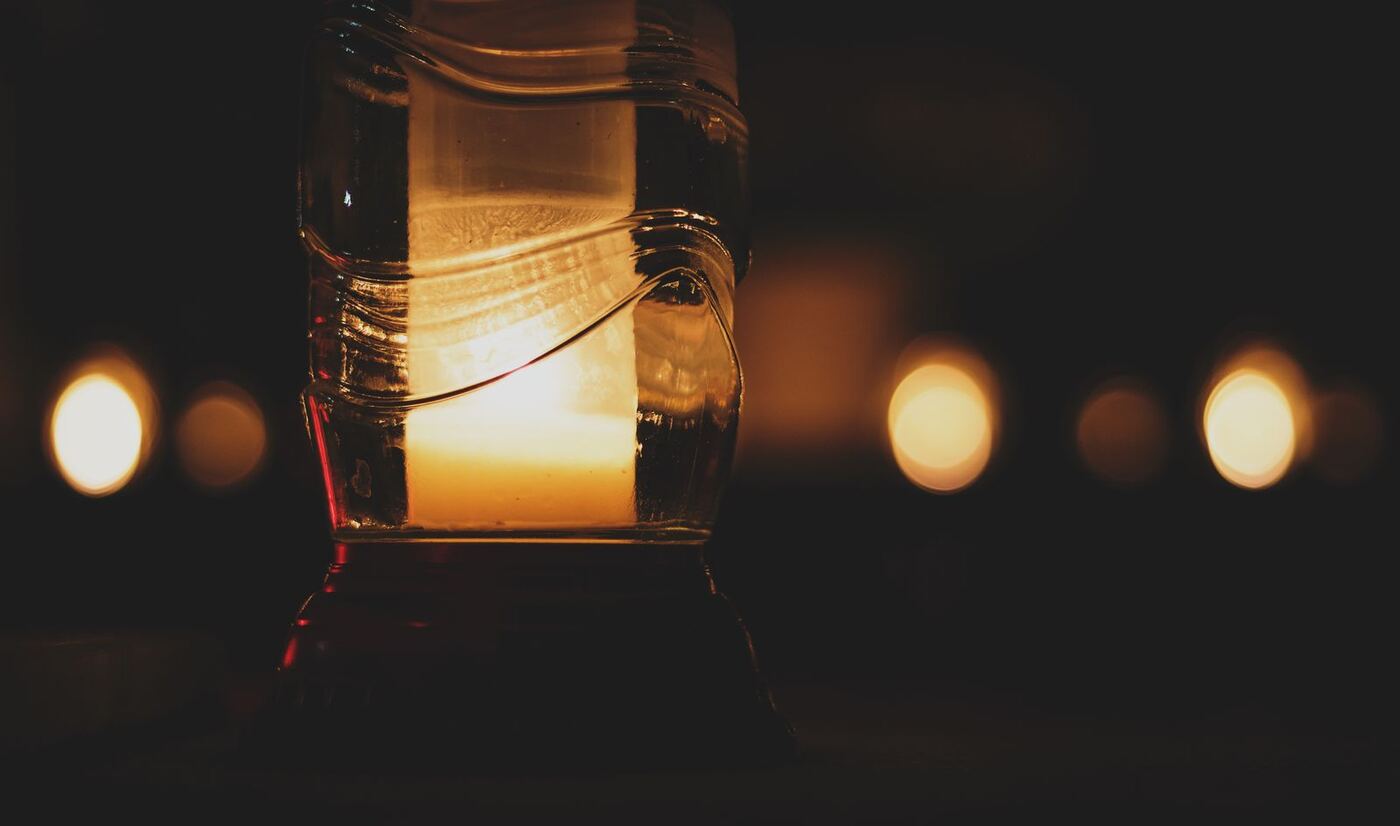
Many communities have El Malei Rachamim said at the Torah reading on the yahrzeit, or on the Shabbat before it. This is not the Chabad custom. Instead, Chabad families observe the yahrzeit by lighting a memorial candle, saying Kaddish, studying Torah, giving tzedakah and doing a good deed in the person's merit. If your family has a different custom, honor it, and ask the Rabbi if you are unsure.
How to have it said for your loved one
- Gather the Hebrew name of the person and of his or her father (see Hebrew names). If you do not know it, tell the Rabbi; there are ways to help.
- Choose the moment: a funeral, an unveiling or Yizkor.
- Ask the Rabbi. Call 925-384-7242 and say what you would like.
- Give tzedakah in their memory. The prayer itself mentions it, and you can give in their memory.
A word for those who are grieving
You do not need to understand every word to be comforted by this prayer. Families across Lafayette, Moraga and Orinda sit with us at Yizkor and find that remembering together lightens the weight. Request a name for Yizkor at the Yizkor form.
In Lamorinda: To remember a loved one with Yizkor or a prayer at their yahrzeit, call Rabbi Labkowski at 925-384-7242 or see our Yizkor page.
Common questions
What does El Malei Rachamim mean?
It means "G-d, full of compassion." It is the memorial prayer that asks G-d to grant peace to the soul of a person who has passed away.
When is El Malei Rachamim said?
It is chanted at funerals, unveilings and holiday Yizkor services, and in many communities after Torah readings. Ask the Rabbi about specific occasions.
Is El Malei Rachamim said on the yahrzeit?
In many communities yes, but it is not the Chabad custom. Chabad families light a candle, say Kaddish, learn Torah and give tzedakah.
Do I need the person's Hebrew name?
Yes, the prayer names the person and the parent. See Hebrew names, or ask the Rabbi if the name is unknown.
Can I say it myself?
It is usually chanted by a rabbi or cantor. For a private moment of prayer, ask the Rabbi what is best for your situation.
Is El Malei Rachamim the same as Kaddish?
No. Kaddish is a praise of G-d said by mourners; El Malei Rachamim is a plea for the soul's peace.
Take the next step
- Call 925-384-7242 to arrange a memorial prayer for someone you miss.
- Read Yizkor to learn about the memorial service on the holidays.
- Read the yahrzeit to prepare for the next anniversary.
Step by step · Part 39 of 40
When we lose someone, step by step
NextVisiting a Jewish Grave: When to Go and What to SayWhen Jews visit the graves of loved ones, which prayers and Psalms to say, why we leave a stone, and the customs to follow at a Jewish cemetery.All 40 parts
- When a Loved One Is Dying: A Jewish Guide for the Last Days
- Someone Just Died: What to Do in the First Hours, Jewish Guide
- Can't Afford a Jewish Funeral? Help Is Available. Call the Rabbi
- Why Jewish Burial Is So Important: Meaning, Mitzvah and Dignity
- Aninut: The Time Between Death and Burial
- Why Jews Bury Quickly: Burial Within a Day and When a Delay Is Allowed
- Buying a Plot in a Jewish Cemetery: What Makes a Cemetery Jewish and What to Ask
- Autopsy and Jewish Law: What Families Should Know
- Embalming, Viewing and Open Caskets: The Jewish View, Explained Gently
- What Is Tahara? The Chevra Kadisha and Preparing a Jewish Body for Burial
- A Plain Wooden Casket and White Shrouds: Why Every Jew Is Buried the Same Way
- What to Wear to a Jewish Funeral, and What to Expect as a Guest
- Jewish Funeral Customs: What to Do When a Loved One Passes Away
- How to Write and Give a Eulogy at a Jewish Funeral
- Kriah: Tearing the Garment When a Loved One Passes Away
- The Meal of Condolence (Seudat Havraah): The Mourners' First Meal After the Funeral
- Who Sits Shiva? Who Is a Mourner in Jewish Law
- Sitting Shiva: A Simple Guide for Mourners and Visitors
- Setting Up a Shiva House: A Practical Checklist for Families
- Shiva and Holidays: What Happens When a Holiday or Shabbat Comes During Mourning
- Comforting Mourners: What to Say and Do After a Jewish Loss
- What to Bring to a Shiva House: Food, Kindness and Presence, Not Flowers
- Writing a Jewish Condolence Note: What to Say and What Not to Say
- The Mourner's Kaddish: Meaning, When to Say It and Who Says It
- Sheloshim: The 30 Days of Mourning After a Funeral
- The Year of Mourning for a Parent in Judaism
- Mourning and Simchas: Weddings, Parties and Music in the Year of Mourning
- Losing a Husband or Wife: A Jewish Guide for the Days and the Year After
- When a Child Dies: Jewish Comfort and Mourning for Parents
- Losing a Parent: Jewish Wisdom and Comfort for Sons and Daughters
- Writing a Jewish Headstone Inscription: Hebrew Name, Dates and Symbols
- Unveiling a Headstone: Jewish Customs and What to Expect
- Yahrzeit: How to Observe the Anniversary of a Loved One's Passing
- The First Yahrzeit: How to Mark One Year Since a Loss
- A Memorial Plaque in the Synagogue: Remembering a Loved One
- Learning Torah in Memory of a Loved One
- Giving in Memory: Tzedakah for a Yahrzeit and for the Soul of a Loved One
- Yizkor: The Jewish Memorial Prayer and When It Is Said
- El Malei Rachamim: The Jewish Memorial Prayer, Meaning and When It Is Said
- Visiting a Jewish Grave: When to Go and What to Say
Questions about this, or something on your mind? Message the Rabbi or the Rebbetzin privately, or call 925-384-7242. · Email
Read next
 Yahrzeit: How to Observe the Anniversary of a Loved One's PassingWhat a yahrzeit is, how to find the Hebrew date, lighting a yahrzeit candle, saying Kaddish, and other ways to honor a loved one.Read next →