
Learn › Shabbat & holidays › The Shabbat table and meals
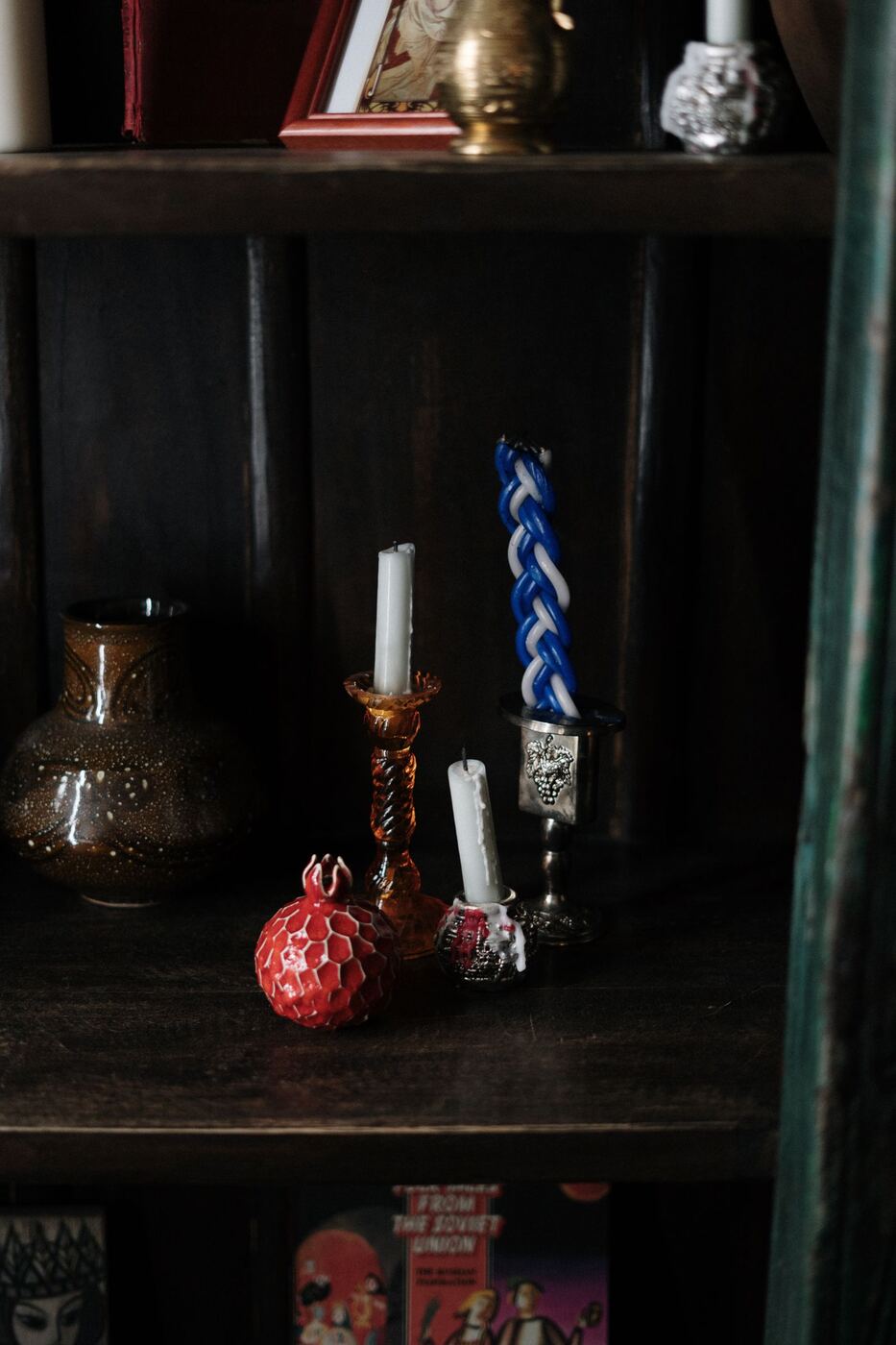
Melave Malka: The Saturday Night Meal That Escorts the Shabbat Queen
What Melave Malka is, why Jews eat a meal on Saturday night after Shabbat, its connection to King David and Elijah, and how to hold one.
On this page · 2 min read
What is Melave Malka?Why we hold a Melave MalkaElijah the ProphetHow to hold a Melave Malka, step by stepCustomsMelave Malka is a meal eaten on Saturday night, after Shabbat ends, to escort the "Shabbat Queen" as she departs. Even a small snack counts, though ideally it includes bread and a hot dish, with songs and good company.
What is Melave Malka?
Melave Malka means "escorting the Queen." Shabbat is often described as a queen or a bride. On Friday night we welcome her with song, and on Saturday night we accompany her as she leaves, just as one escorts an honored guest to the door.
It is sometimes called the fourth Shabbat meal, after the three Shabbat meals.
Why we hold a Melave Malka
- Honoring Shabbat. We show that Shabbat was precious by escorting it with a meal, not just rushing back to the week.
- King David's meal. The Talmud tells that King David asked G-d when he would pass away, and was told it would be on a Shabbat. So every Saturday night, he made a festive meal in thanks for living another week. Melave Malka is also called "the meal of King David."
- Bringing Shabbat into the week. The holiness of Shabbat carries into the coming days through this meal.
- The luz bone. Tradition teaches there is a small bone in the body, called the luz, that is nourished only by the Melave Malka meal. It never decays, and from it the body will be rebuilt at the time of the Resurrection.
Elijah the Prophet
Saturday night is closely connected to Elijah the Prophet, who will announce the coming of Moshiach. After Havdalah, many sing "Eliyahu Hanavi," praying that he will soon come with good news.
How to hold a Melave Malka, step by step
- End Shabbat with the evening prayers and Havdalah.
- Set the table, even simply. Many leave a tablecloth and candles from Shabbat.
- Prepare food. Ideally, wash for bread and eat a cooked or hot dish, even something simple like soup or eggs. If that is too much, eat cake or fruit, or at least drink a hot drink.
- Sing. Popular songs include "Eliyahu Hanavi," "Hamavdil" and Psalm 23, "Hashem ro'i," "G-d is my shepherd."
- Share stories. In Chassidic tradition, Saturday night is a classic time for telling stories of tzaddikim, righteous people. Tradition teaches that telling stories of tzaddikim on Saturday night, especially of the Baal Shem Tov, brings blessing for livelihood.
- Say the closing blessing, Grace after Meals if bread was eaten, or the appropriate after-blessing.
Customs
- Many have the custom to prepare something freshly cooked for Melave Malka, rather than only Shabbat leftovers.
- Women have a special connection to this meal. Some have the custom that women do not do work until after Melave Malka.
- Communities often hold Melave Malka gatherings with music and inspiration, especially in winter, when Shabbat ends early.
In Lamorinda: Want to host a Melave Malka or learn more about Shabbat? Call 925-384-7242 or see jewishlamorinda.com/shabbat.
Common questions
Is Melave Malka required?
It is a custom with deep roots, mentioned in the Talmud and Jewish law, and is considered a mitzvah. It is not on the same level as the three Shabbat meals, but it is highly encouraged.
When should Melave Malka be eaten?
Right after Shabbat and Havdalah is best. It may be eaten later in the evening, ideally within the first part of the night. If you missed it, try again next week.
Do I need bread?
Bread is ideal, but if you cannot, cake, fruit or even a hot drink is a fine way to fulfill the custom.
Can I combine Melave Malka with a regular dinner?
Yes. If you eat dinner on Saturday night, have in mind that it is in honor of escorting Shabbat, and add a song or a story.
Questions about this, or something on your mind? Message the Rabbi or the Rebbetzin privately, or call 925-384-7242. · Email
Read next
 Havdalah: How to End Shabbat With Wine, Spices and FlameA step-by-step guide to Havdalah, the ceremony that ends Shabbat: when to say it, what you need, and the four blessings in English.Read next →