
Learn › Life cycle › Bris, baby naming and upsherin
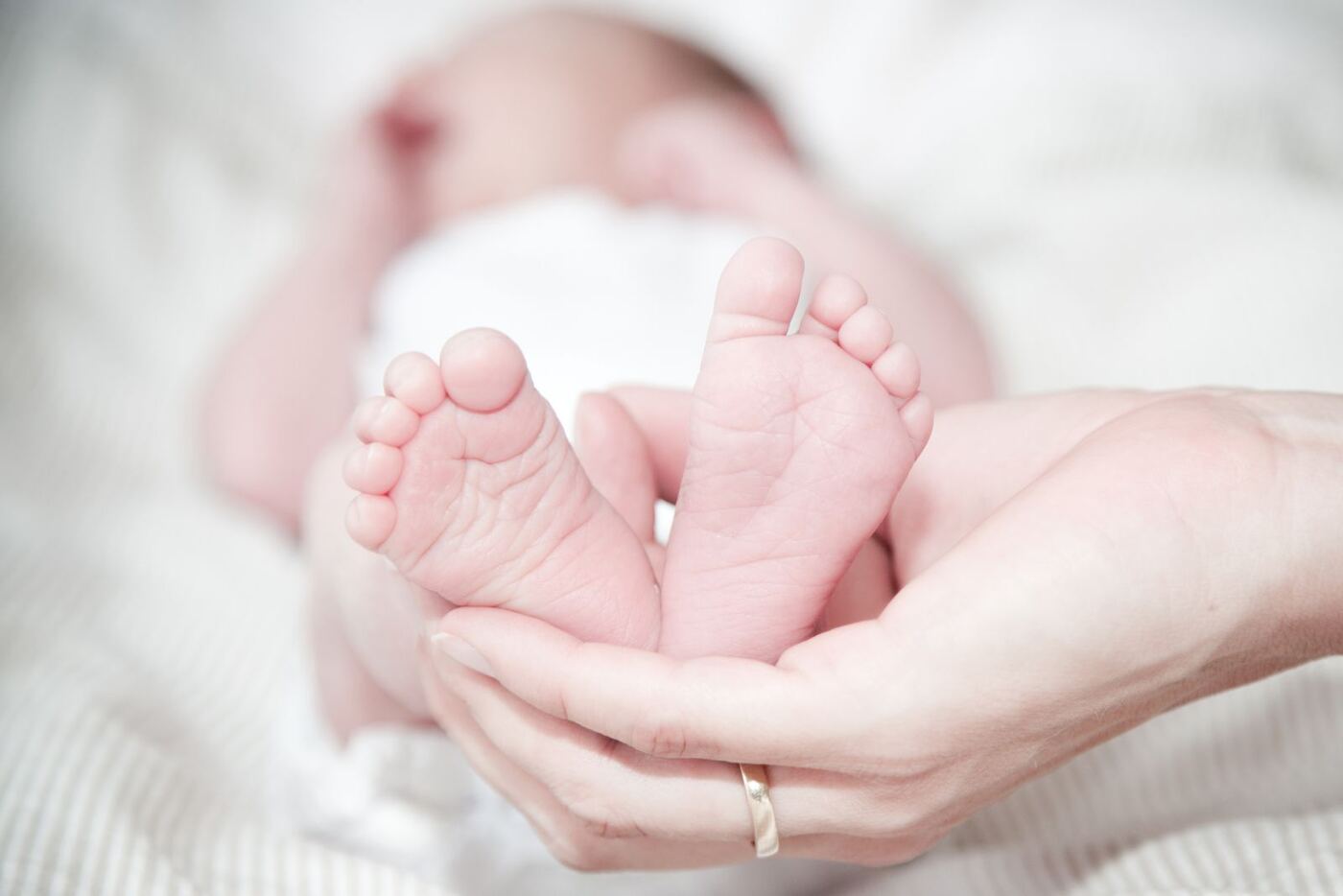
Brit Milah: A Simple Guide to the Jewish Circumcision Ceremony
What a bris is, why it is done on the eighth day, who takes part, and what to expect at a Jewish circumcision ceremony.
Part 10 of 15 · A new baby, step by step
On this page · 2 min read
What is a brit milah?Why the eighth day?Who takes partThe namingAfter the brisA brit milah (often called a bris) is the Jewish circumcision ceremony, performed on a baby boy on the eighth day of his life. It marks his entry into the covenant G-d made with Abraham, and it is one of the oldest and most universally kept traditions in Jewish life.
What is a brit milah?
The Hebrew words brit milah mean "covenant of circumcision." In the Torah, G-d commanded Abraham to circumcise himself and his descendants as "an eternal covenant" (Genesis 17). For nearly 4,000 years, Jewish families in every land and circumstance have kept this mitzvah, often at great personal risk.
The bris is performed by a mohel, a person trained in both the medical procedure and the Jewish laws involved. It is a religious ceremony, not only a medical one, and it is followed by a festive meal called a seudat mitzvah.
Why the eighth day?
The Torah specifies the eighth day. Our sages explain that the number seven represents the natural world (the seven days of creation), while eight represents something beyond nature. The covenant connects a child to G-d in a way that transcends the physical.
Some practical points:
- The bris takes place on the eighth day even if it falls on Shabbat or Yom Kippur, as long as the baby was born naturally.
- It is held during daylight hours, ideally in the morning, to show eagerness for the mitzvah.
- If the baby is not healthy enough, the bris is postponed until the doctor and mohel agree he is well. A child's health always comes first.
For timing questions in your specific case, ask the Rabbi.
Who takes part
Several honors are given to family and friends:
- Kvatter and kvatterin: a couple who carries the baby into the room.
- Sandek: the person who holds the baby during the circumcision, often a grandfather or respected elder. It is considered one of the highest honors.
- Kisei shel Eliyahu (Chair of Elijah): the baby is briefly placed on a special chair, since tradition teaches that the prophet Elijah attends every bris.
- Blessings: the father recites a blessing, and those present respond, "Just as he has entered the covenant, so may he enter into Torah, marriage and good deeds."
The naming
At the end of the ceremony, a blessing is said over a cup of wine and the baby's Hebrew name is announced for the first time. Many parents find this the most moving moment. Learn more in our guides to baby naming and Hebrew names.
After the bris
Guests share a festive meal, sing, and wish the family mazel tov. The mohel gives instructions for caring for the baby over the next few days.
In Lamorinda: Expecting a baby boy? Call Rabbi Labkowski at 925-384-7242 and we will help you plan a beautiful bris and the celebration that follows.
Mark the occasion: sponsor a Kiddush or give in their honor Sponsor in honor or memory of a loved one →
Common questions
Does a bris have to be on the eighth day?
Yes, when the baby is healthy. The day of birth counts as day one, so a boy born on a Monday has his bris the following Monday. Remember that a Jewish day begins at sunset, so a birth after sundown counts as the next day. If the baby was born around sunset, the day is uncertain, so ask the Rabbi right away.
Is a hospital circumcision the same as a bris?
No. A bris is a religious ceremony with specific laws and blessings, performed by a mohel. A medical circumcision does not fulfill the mitzvah, though there is a procedure for an older child or adult who was circumcised medically. Ask the Rabbi about your situation.
Can an adult have a brit milah?
Yes. Jewish men who did not have a bris as babies can have one at any age, performed under proper medical care. It is never too late, and it is a deeply meaningful step.
What should guests bring or wear?
Dress as you would for synagogue. A gift for the baby is a kind gesture but not required. Your presence and blessings are what matter most.
Step by step · Part 10 of 15
A new baby, step by step
NextAttending a Bris: What to Expect, What to Wear and What to SayInvited to a bris? What to expect at a brit milah, what to wear, whether to bring a gift, what to say to the parents and what happens at the meal.All 15 parts
- Jewish Pregnancy: Customs, Prayers and Preparing for Birth
- Giving Birth: Jewish Customs, Prayers and Labor on Shabbat
- Jewish Baby Names: How to Choose a Hebrew Name for Your Baby
- Hebrew Names for Girls: Meanings and How to Choose
- Naming a Baby After a Relative: Ashkenazi and Sephardi Customs
- Shalom Zachar: The Friday Night Welcome for a Newborn Baby Boy
- Preparing for a Bris: A Step-by-Step Guide for New Parents
- When a Bris Is Postponed: Jaundice, Health and the New Date
- Sandek, Kvater and the Honors at a Bris: Who Does What
- Brit Milah: A Simple Guide to the Jewish Circumcision Ceremony
- Attending a Bris: What to Expect, What to Wear and What to Say
- Simchat Bat: Celebrating and Naming a Baby Girl
- Jewish Baby Naming: How and When a Jewish Baby Gets a Name
- Pidyon Haben: Redemption of the Firstborn Son
- Upsherin: The Jewish Boy's First Haircut at Age Three
Questions about this, or something on your mind? Message the Rabbi or the Rebbetzin privately, or call 925-384-7242. · Email
Read next
 Jewish Baby Naming: How and When a Jewish Baby Gets a NameHow Jewish babies receive their Hebrew name, when a girl is named at the Torah, and how families choose a meaningful name.Read next →