
Learn › Jewish ideas › Judaism: the basics
What Is Halacha? Jewish Law Explained Simply
What halacha is, where Jewish law comes from (Torah, Talmud, Rambam, Shulchan Aruch, the Alter Rebbe), how a rabbi answers a question, and why to ask.
Halacha is Jewish law: the practical guide to how a Jew lives each day, from waking up to going to sleep, from the kitchen to the office to Shabbat. The word comes from the Hebrew for "to walk." Halacha is not a set of rules kept on a shelf. It is the way we walk through life with G-d.
Where it comes from
The Written Torah
At Mount Sinai, G-d gave the Torah, which contains 613 mitzvot. But the written text is brief. It says "keep Shabbat" without fully defining work, and "bind them as a sign on your arm" without describing tefillin.
The Oral Torah
Together with the Written Torah, G-d taught Moses its explanation, the Oral Torah. It was passed from teacher to student for generations. When persecution threatened to make it forgotten, Rabbi Yehudah HaNasi wrote down its core as the Mishnah, about 1,800 years ago.
The Talmud
Over the following centuries, the Sages discussed and analyzed the Mishnah. Their discussions became the Talmud, the foundation of all later Jewish law.
The great codes
Because the Talmud is vast, great scholars organized its conclusions:
- The Rambam (Maimonides), in the 12th century, wrote the Mishneh Torah, a complete code of all of Torah law.
- The Shulchan Aruch by Rabbi Yosef Karo, in the 16th century, became the standard code of practical law. Rabbi Moshe Isserles (the Rema) added notes with the customs of Ashkenazi Jews.
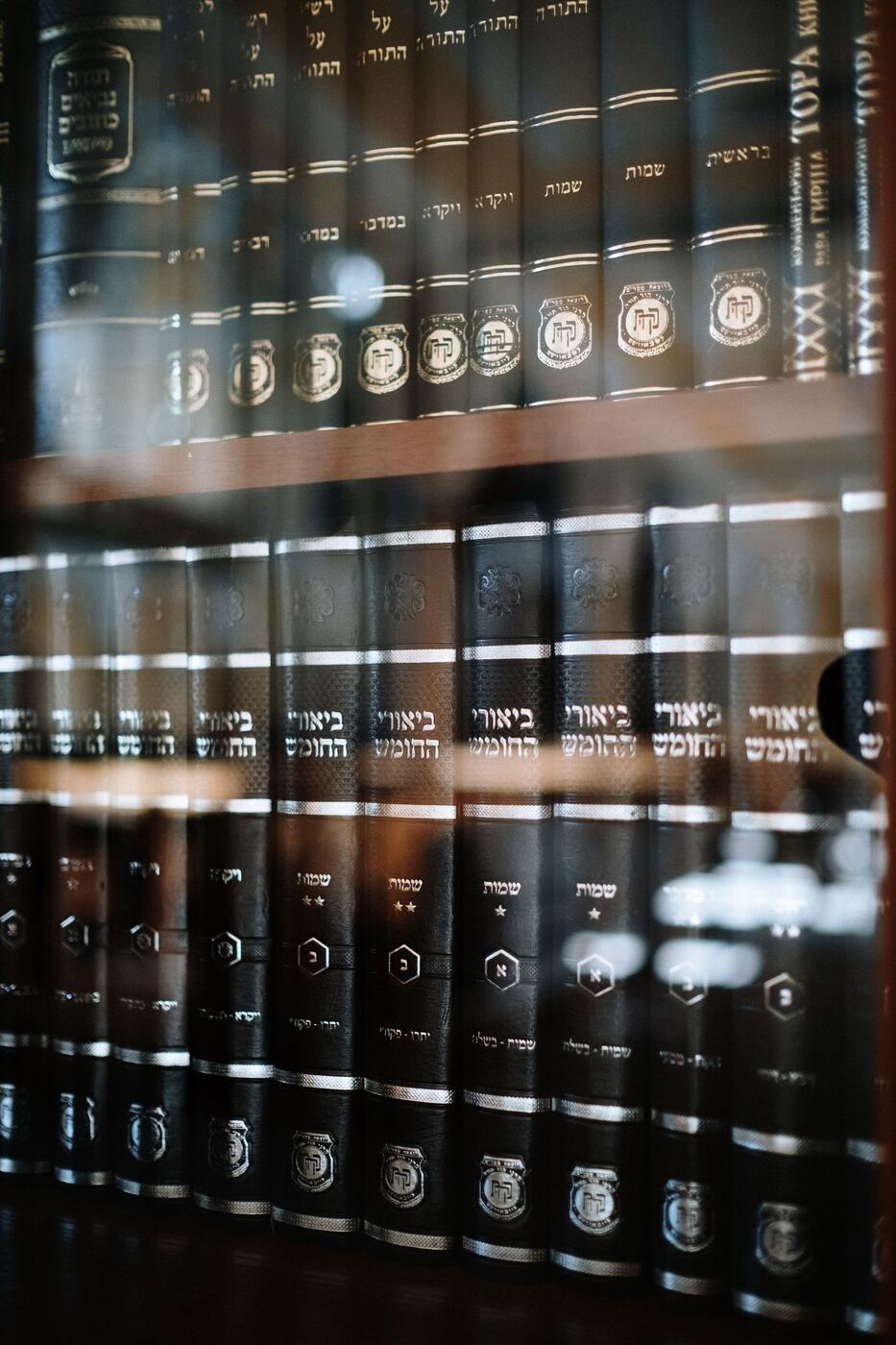
- The Shulchan Aruch HaRav, by Rabbi Schneur Zalman of Liadi, the Alter Rebbe and founder of Chabad, written at the request of his teacher, the Maggid of Mezritch. It explains the law with its reasons, and Chabad practice follows it.
Since then, rabbis have answered new questions in letters called responsa, applying the same principles to electricity, medicine, travel and more.
How a rabbi answers a question
When you ask a rabbi a question, he:
- Listens to the details. Two questions that sound alike can have different answers.
- Looks to the sources, from the Talmud through the codes and later authorities.
- Considers the person. Halacha has room for illness, financial loss, pressing need and family peace. Often the answer depends on these.
- Gives a clear answer, and explains the reason when you ask.
Why ask a rabbi?
- The details matter. A pot, a medical situation or a Shabbat emergency each has its own answer.
- Sometimes the answer is easier than you think. People often worry about something that is fine, or avoid a mitzvah thinking it is harder than it is.
- It takes the weight off you. Once you have asked, you can act with a clear mind.
A guide like this one gives general information. For your situation, ask the Rabbi.
In Lamorinda: Have a question about Jewish law? Families in Lafayette, Moraga, Orinda and the East Bay: call Rabbi Yisroel Labkowski any time, 925-384-7242. No question is too small.
Common questions
Is halacha the same for every Jew?
The core is the same, but customs differ between communities, such as Ashkenazi and Sephardi Jews, and families keep their own traditions. The Rabbi can help you know which apply to you.
Can halacha change?
The laws themselves do not change, but they are applied to new situations, like electricity or modern medicine, using the principles of the Torah.
What if I don't keep everything?
Every mitzvah counts on its own. Begin with one step and grow from there. See starting Jewish observance.
Is it a bother to call the Rabbi?
Not at all. Answering questions is a rabbi's job and a joy. Call 925-384-7242 or send a message.
Questions about this, or something on your mind? Message the Rabbi or the Rebbetzin privately, or call 925-384-7242. · Email
Read next
 The 613 Mitzvot: What They Are and Why They MatterWhat the 613 commandments of the Torah are, how they are counted and divided, which apply today, and what a mitzvah really means.Read next →