
Learn › Prayer & Torah › Talmud and Torah learning
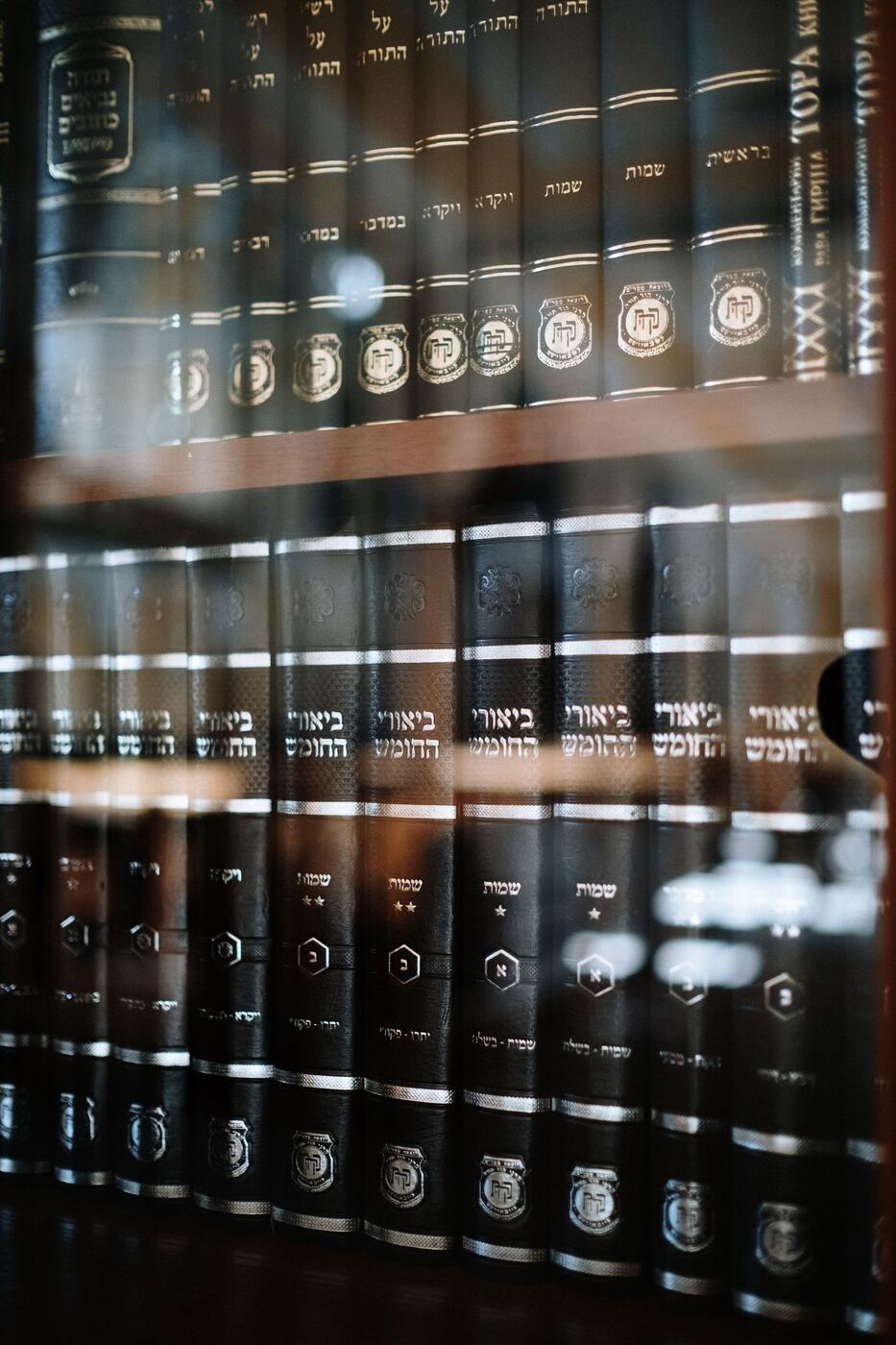
What Is the Talmud? A Beginner's Guide to the Oral Torah
What the Talmud is, how the Mishnah and Gemara fit together, who wrote it, and how people study it today, explained simply.
On this page · 2 min read
Why is there a Talmud?The two parts of the TalmudTwo TalmudsWhat is in the Talmud?How is it studied?The Talmud is the central text of the Oral Torah, a vast collection of Jewish law, debate, stories and wisdom compiled about 1,500 years ago. It explains how to understand and live the Torah, and it has been studied by Jews every day for centuries.
Why is there a Talmud?
When G-d gave the Torah at Mount Sinai, He gave Moses both the written text and an oral explanation. The Written Torah is brief; for example, it says to keep Shabbat but does not list what counts as "work." The Oral Torah fills in these details.
For many generations, the Oral Torah was taught from teacher to student. After the destruction of the Second Temple and long periods of persecution, the sages feared it would be forgotten, so they wrote it down.
The two parts of the Talmud
1. The Mishnah Compiled by Rabbi Yehudah HaNasi (Judah the Prince) around the year 200 CE, the Mishnah is a concise summary of the Oral Torah, written in Hebrew. It is divided into six "orders" covering agriculture, holidays, marriage, civil law, Temple offerings, and purity.
2. The Gemara Over the next few centuries, sages discussed and analyzed every line of the Mishnah. Their discussions, mostly in Aramaic, are called the Gemara. Together, the Mishnah and Gemara make up the Talmud.
Two Talmuds
- The Jerusalem Talmud (Yerushalmi): compiled in the Land of Israel around 400 CE.
- The Babylonian Talmud (Bavli): compiled in Babylonia around 500 CE. It is longer and more widely studied. When people say "the Talmud," they usually mean the Bavli.
What is in the Talmud?
The Talmud covers almost every area of life:
- Halacha (law): how to keep Shabbat, kosher, holidays, business ethics, and much more.
- Aggadah (stories and teachings): parables, history, ethics and insights into human nature.
- Debate: the Talmud records disagreements between sages, often keeping minority opinions, because every view has value.
How is it studied?
A standard Talmud page has the text in the center, surrounded by commentaries. The most famous are by Rashi, an 11th-century French scholar, and the Tosafot, his students and descendants.
Traditionally, Talmud is studied with a partner (chavruta), reading aloud, asking questions and arguing respectfully. Many people today join Daf Yomi, a program of learning one page a day, completing the entire Talmud in about seven and a half years.
In Lamorinda: Curious to try a page of Talmud? Call Rabbi Labkowski at 925-384-7242 and we will help you get started, no experience needed.
Common questions
Do I need to know Hebrew or Aramaic?
No. Excellent English translations with explanations are available. Many beginners start with a translated edition and a teacher.
How big is the Talmud?
The Babylonian Talmud has 2,711 double-sided pages in its standard edition, usually printed in about 20 volumes.
Is the Talmud only for scholars?
Not at all. Its stories and ethics speak to everyone. Pirkei Avot (Ethics of the Fathers), a section of the Mishnah, is a wonderful place to begin.
How does the Talmud relate to Jewish law today?
Jewish law is based on the Talmud, as organized by later codes like the Mishneh Torah of Maimonides and the Shulchan Aruch. For practical questions, ask the Rabbi.
Questions about this, or something on your mind? Message the Rabbi or the Rebbetzin privately, or call 925-384-7242. · Email
Read next
 What Is the Torah? A Simple Guide to the Jewish BibleWhat the Torah is, the Five Books of Moses, the Written and Oral Torah, how a Torah scroll is made, and the weekly portion.Read next →