
Learn › Prayer & Torah › Tehillim (Psalms)
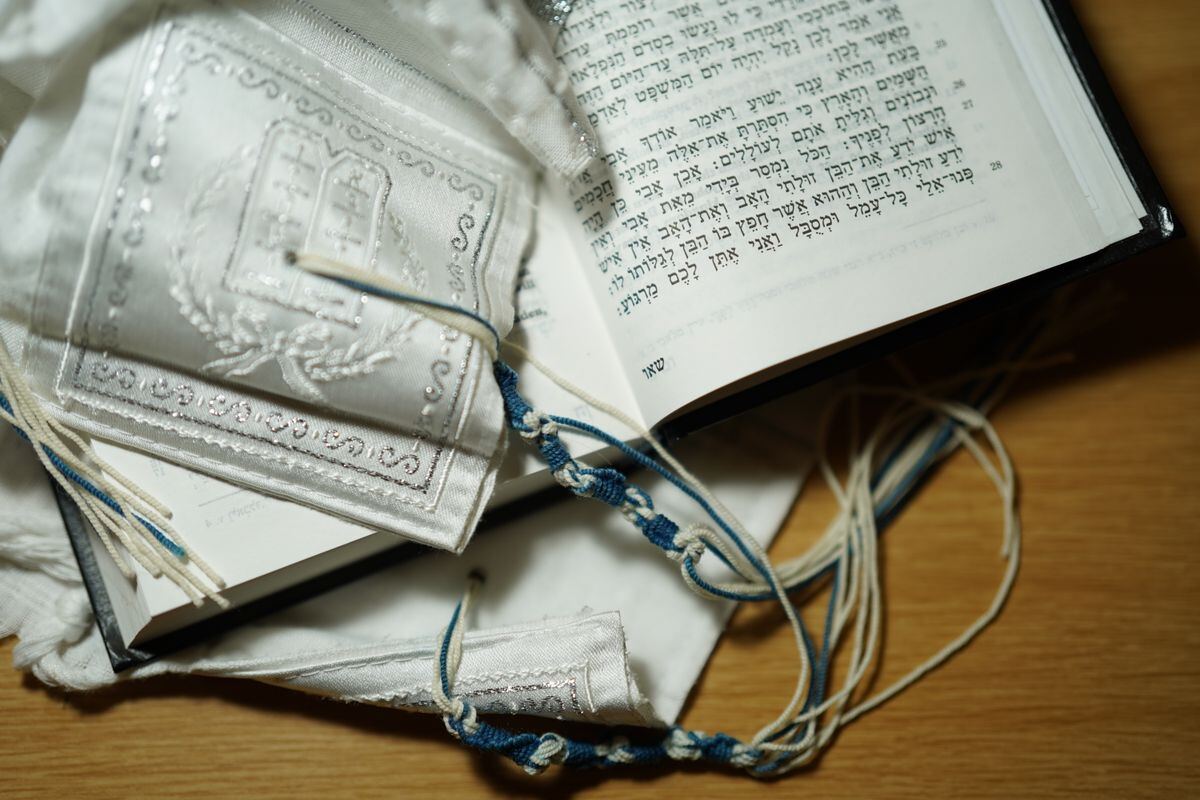
Tehillim (Psalms): How and When to Say Them
What Tehillim, the Book of Psalms, are, why Jews say them in good times and hard times, Chabad customs, and which psalms to say for healing.
On this page · 2 min read
What Tehillim isWhy we say TehillimChabad customs for saying TehillimHow to say Tehillim for someone in needTips for beginnersTehillim is the Hebrew name for the Book of Psalms, 150 songs and prayers composed mostly by King David. For thousands of years, Jews have turned to Tehillim in every situation: to give thanks, to ask for help, to pray for someone who is sick, and simply to feel close to G-d.
What Tehillim is
Tehillim (תְּהִלִּים) means "praises." The book is part of the Ketuvim, the Writings section of the Hebrew Bible. King David wrote most of the psalms, including some based on words of earlier figures like Adam, Abraham, Moses and others. The 150 chapters are divided into five books, parallel to the five books of the Torah.
The psalms express every human feeling: joy and fear, gratitude and longing, confusion and trust. That is why people of every level find their own words in them.
Why we say Tehillim
- Comfort and strength. In hard times, Tehillim help put our feelings into words.
- Prayer for others. Saying Tehillim for someone who is ill or in trouble is a time-honored way to ask for G-d's mercy.
- Gratitude. Many psalms are songs of thanks and praise.
- Anyone can say it. The Sages teach that King David asked G-d to treat saying Tehillim like studying the deepest parts of Torah. The Tzemach Tzedek, the third Chabad Rebbe, said that if we knew the power of Tehillim we would say them all the time.
Chabad customs for saying Tehillim
- Daily portion: the book is divided into 30 portions, one for each day of the Hebrew month. Chabad custom is to say the day's portion after morning prayers. Check the Hebrew date with our Hebrew date tool.
- Shabbat Mevarchim: on the Shabbat before each new Hebrew month, Chabad custom is to say the entire book before morning prayers, usually together in synagogue.
- Your personal chapter: each person says the chapter matching their age plus one each day. For example, someone who is 40 says Psalm 41. The Rebbe encouraged this widely.
How to say Tehillim for someone in need
- Use their Hebrew name and their mother's Hebrew name, for example "Sarah bat Leah" or "David ben Rachel." If you do not know the Hebrew name, use the name you know.
- Choose psalms. Common choices for healing and help include Psalms 20, 121 and 130. You can also say the daily portion or any psalms you like.
- Say them with feeling, in Hebrew or English.
- Add a personal prayer for the person at the end.
- Give tzedakah in their merit, if you can.
Many communities divide the whole book among a group so it can be completed together, sometimes several times.
Tips for beginners
- Get a Tehillim with English translation side by side.
- Start with one psalm a day, such as Psalm 23 ("The L-rd is my shepherd") or your personal chapter.
- Read slowly and let the words speak to you. Understanding even one line deeply is worthwhile.
In Lamorinda: We can help you get a Tehillim book, join others in saying Tehillim for someone in need, and learn the customs. Call 925-384-7242.
Mark the occasion: sponsor a Kiddush or give in their honor Sponsor in honor or memory of a loved one →
Common questions
Can I say Tehillim in English?
Yes. Tehillim may be said in any language. The original Hebrew has special power, so many people say what they can in Hebrew and read the rest in translation.
Can women say Tehillim?
Absolutely. Women have always been at the heart of saying Tehillim, and women's Tehillim groups are a beloved tradition in many communities.
What is the best psalm to say for someone who is sick?
There is no single psalm. Psalm 20 is very commonly said, as are 121 and 130. Some also spell out the person's name using the verses of Psalm 119, which is arranged by the letters of the Hebrew alphabet.
Can I say Tehillim at night?
Many have the custom not to say Tehillim at night, except on certain nights or in urgent situations, such as for someone who is ill. Ask the Rabbi about your custom.
Questions about this, or something on your mind? Message the Rabbi or the Rebbetzin privately, or call 925-384-7242. · Email
Read next
 Jewish Prayer: How and When Jews Pray, a Beginner's GuideA beginner's guide to Jewish prayer: the three daily services, the siddur, praying with a minyan, praying in any language, and how to start.Read next →