
Learn › Prayer & Torah › Blessings (brachot)
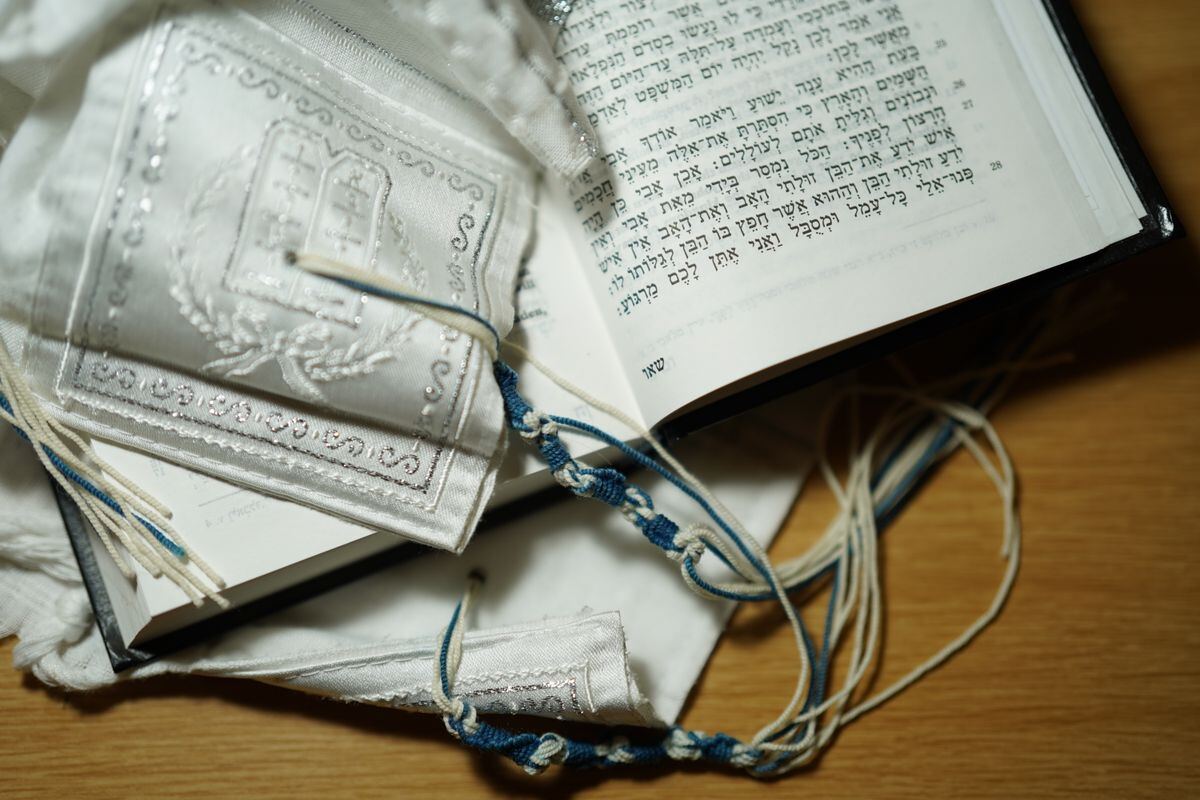
Tefilat HaDerech: The Traveler's Prayer
What Tefilat HaDerech, the Jewish traveler's prayer, says, when to say it on a road trip or flight, and customs for a safe journey.
On this page · 2 min read
What the prayer saysWhen to say itHow to say itTzedakah for the roadOther travel customsTefilat HaDerech, the Traveler's Prayer, is a short prayer asking G-d for a safe and peaceful journey. It is said once you have left your city on a trip of meaningful distance, whether by car, plane, train or boat.
What the prayer says
Tefilat HaDerech (תְּפִלַּת הַדֶּרֶךְ) comes from the Talmud. In it we ask G-d to:
- Lead us in peace and bring us safely to our destination "for life, joy and peace."
- Save us from every enemy, danger and harm along the way.
- Bless the work of our hands.
- Grant us grace, kindness and compassion in His eyes and in the eyes of all we meet.
- Bring us home again in peace.
It ends with the blessing: "Baruch atah Ado-nai, shome'a tefilah," "Blessed are You, G-d, who hears prayer."
The prayer is phrased in the plural ("lead us," "bring us"), so that we pray for all travelers together with ourselves. It is printed in every siddur and on small cards that many people keep in the car or in a carry-on bag.
When to say it
- Start your trip. Wait until you have left the built-up area of your city.
- Check the distance. The full prayer with its closing blessing is said for a journey of at least about a parsah, roughly three miles, beyond the city. For shorter trips, some say it without the closing words.
- Say it once a day. Say it once on each day of travel. If you stop overnight and continue the next day, say it again in the morning.
- On a plane, say it after takeoff, once the plane is in the air.
- On a long drive, if you forget at the start, you may still say it as long as you have a good distance left to go.
Since rules about distance and timing have details, ask the Rabbi if you are unsure about a specific trip.
How to say it
- Stand if you can do so safely, for example when walking or on a train. If you are driving or seated on a plane, you may say it sitting.
- Say it with feeling. You are asking G-d to watch over you and everyone on the road.
Tzedakah for the road
A beautiful Jewish custom is to give someone money before a trip to donate as tzedakah at the destination. The traveler becomes a "shliach mitzvah," a messenger for a mitzvah, and the Sages teach that a person on a mitzvah mission is protected from harm. The Rebbe often gave travelers a coin or a dollar for this purpose. You can also put a coin in a pushka before leaving home.
Other travel customs
- Make sure the mezuzah on your door is kosher before a long trip.
- Bring a siddur or a small book of Tehillim.
- Many say Psalm 91 for protection.
In Lamorinda: Traveling soon? Call Chabad of Lamorinda at 925-384-7242 with questions about Tefilat HaDerech, or give tzedakah before your trip at jewishlamorinda.com/donate.
Common questions
Do I say Tefilat HaDerech on my daily commute?
Usually not. A regular commute inside your area or a short drive does not call for the full prayer. If the trip is longer than about three miles past the city, ask the Rabbi about your route.
Can I say it in English?
Yes. Prayer may be said in any language you understand. Saying it in Hebrew is ideal if you can.
What if I am the driver?
Keep your eyes on the road. You may say it from memory if you know it, or ask a passenger to say it aloud while you listen and answer "Amen."
Do I say it again on the way home?
Yes. The return trip is a new journey, so say it again once you have left the city on your way back.
Questions about this, or something on your mind? Message the Rabbi or the Rebbetzin privately, or call 925-384-7242. · Email
Read next
 Jewish Prayer: How and When Jews Pray, a Beginner's GuideA beginner's guide to Jewish prayer: the three daily services, the siddur, praying with a minyan, praying in any language, and how to start.Read next →