
Learn › Shabbat & holidays › Purim
Mishloach Manot: How to Send Purim Food Gifts
What mishloach manot are, the simple rules for sending Purim food gifts, what to put in a basket, and how they differ from gifts to the poor.
On this page · 2 min read
What are mishloach manot?Why we send food giftsThe rules, step by stepWhat to put in a mishloach manotGifts to the poorMishloach manot are gifts of ready-to-eat food sent to friends on Purim day. The basic mitzvah is to send at least two different kinds of food to at least one person, and the goal is to build friendship and unity among Jews.
What are mishloach manot?
Mishloach manot means "sending portions." The mitzvah comes from the Book of Esther (9:22), which describes Purim as "days of feasting and joy, and sending portions one to another, and gifts to the poor."
The Yiddish name is shalach manos. Many families make it a highlight of Purim, with children delivering colorful baskets around the neighborhood.
Why we send food gifts
- Unity. Haman described the Jews as "scattered and divided." On Purim we answer that with friendship and connection.
- Joy. Sending food helps everyone have what they need for a festive Purim meal.
- Caring for each other. It is a simple way to show someone you are thinking of them.
The rules, step by step
- Send on Purim day. Gifts sent before Purim, or on Purim night, do not count for the mitzvah.
- Give two kinds of food. At least two different foods or drinks, or one food and one drink.
- Make it ready to eat. The food should be ready to eat or drink without cooking: pastries, fruit, snacks, a bottle of wine or juice.
- Give to at least one Jewish person. Giving to more people is praiseworthy, but give the most to the poor (see below).
- Send it through someone if you can. Many have the custom to send mishloach manot through a messenger, often a child, since the verse speaks of "sending."
What to put in a mishloach manot
Anything tasty and kosher works. Popular ideas:
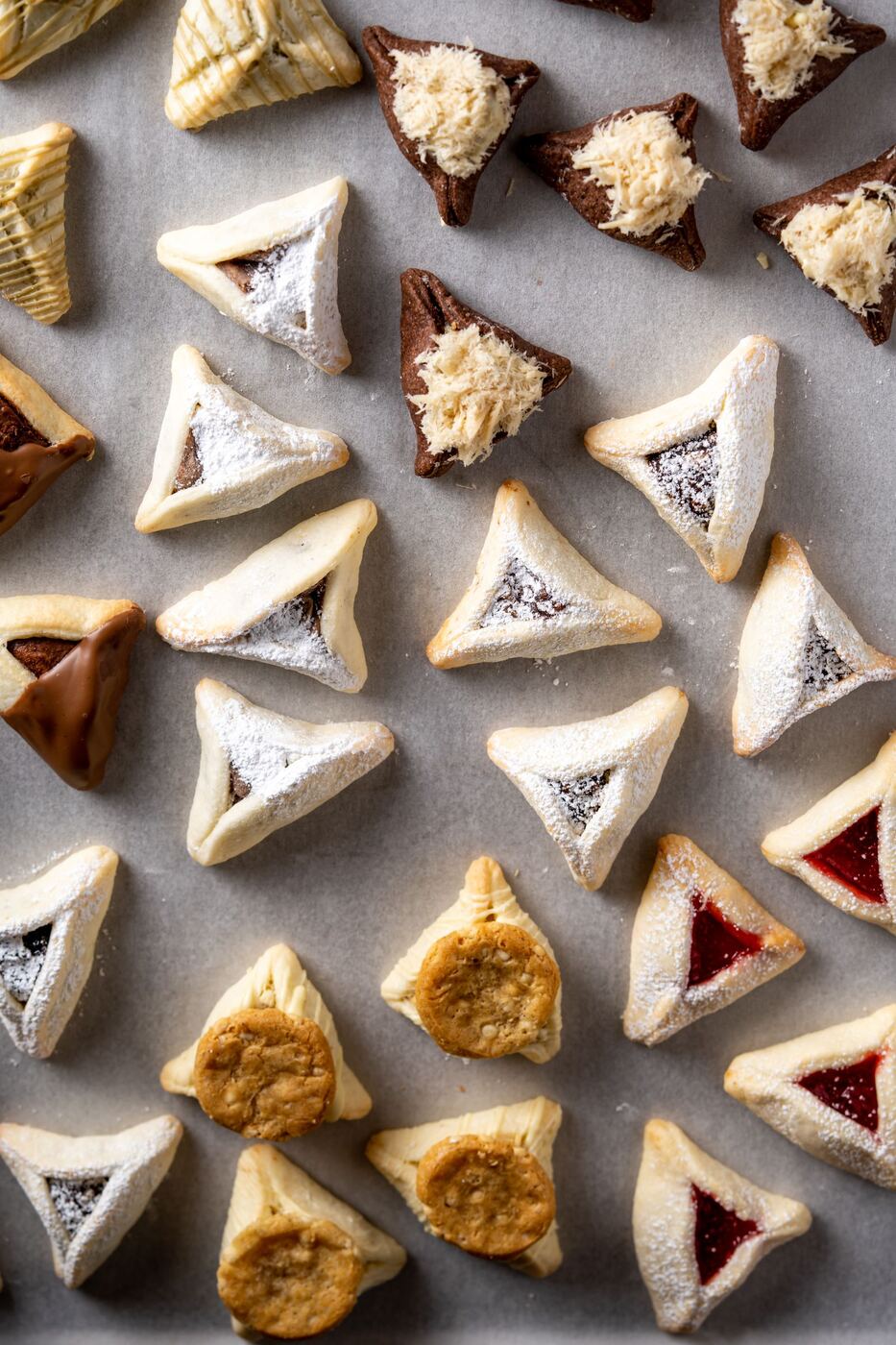
- Hamantaschen, the classic three-cornered Purim pastry
- Fruit or nuts
- Cookies, candy or chocolate
- A small bottle of kosher wine or grape juice
- A homemade dish ready for the Purim meal
Keep it simple. A thoughtful small package fulfills the mitzvah just as well as an elaborate basket. If the recipient keeps kosher, make sure everything has a reliable kosher certification.
Gifts to the poor
Mishloach manot is different from matanot la'evyonim, gifts to the poor. That mitzvah is to give money or food to at least two needy people on Purim day. The Sages say it is better to spend more on gifts to the poor than on mishloach manot and the Purim meal, because there is no greater joy than gladdening the hearts of those in need.
If you do not know anyone in need personally, you can give through a trusted organization or your local rabbi, who will distribute it on Purim.
In Lamorinda: Celebrate Purim with the Lamorinda community and give gifts to the needy through us. Visit jewishlamorinda.com/holidays/purim or call 925-384-7242.
Common questions
Do women need to send mishloach manot?
Yes. Women are obligated in all the mitzvot of Purim, including mishloach manot. Each person should send their own, though a married woman's gift can be sent together with her husband's in many families. Ask the Rabbi about your custom.
Can children send mishloach manot?
Yes, and they love it. Children over bar or bat mitzvah age are obligated. Younger children send them as part of their education and joy in the mitzvah.
Can I send mishloach manot by mail?
Yes, as long as it arrives on Purim day. Delivery services and local shops often arrange this. Make sure it is delivered on the right day.
Can I send money or a gift card instead?
Not for mishloach manot, which must be food. Money is the right gift for matanot la'evyonim, the gifts to the poor.
Questions about this, or something on your mind? Message the Rabbi or the Rebbetzin privately, or call 925-384-7242. · Email
Read next
 Megillah Reading on Purim: How and When to Hear the Book of EstherWhat the Megillah is, why we read the Book of Esther on Purim, when to hear it night and day, the blessings, and why we make noise at Haman.Read next →