
Learn › Shabbat & holidays › Purim

The Four Mitzvahs of Purim, All in One Place
Purim has four mitzvahs: hearing the Megillah, mishloach manot, gifts to the poor and the festive meal. What each one is and how to do it.
On this page · 3 min read
Why four?1. Hear the Megillah, twice2. Mishloach manot: send food to a friend3. Matanot la'evyonim: gifts to the poor4. The Purim feastAnd the costumes?Purim is the happiest day on the Jewish calendar, and also one of the busiest. Underneath the costumes and the noise there is a clear structure: four mitzvahs, set down in the Book of Esther itself, each one meant to be done on Purim day. Here they are in order.
Why four?
When Mordechai and Esther established Purim, they wrote that it should be celebrated with "days of feasting and joy, sending portions to one another and gifts to the poor." Chassidic teaching explains the pattern: the miracle of Purim came when Haman tried to destroy "one scattered and divided people," and the Jews answered by gathering together. Every Purim mitzvah pulls Jews toward each other: toward the story we share, toward our friends, toward the poor, and around one table.
1. Hear the Megillah, twice
The first mitzvah is to hear the Book of Esther read from a handwritten scroll, the Megillah, once on Purim night and again on Purim day. People listen quietly, except when the name of Haman is read, when children (and adults) drown it out with groggers, stamping and boos.
Men and women are both obligated. If you cannot come to a public reading, many communities arrange a reading for the homebound; ask the Rabbi. See the Megillah for the story and how to follow along.
2. Mishloach manot: send food to a friend
On Purim day, each person sends at least two kinds of ready-to-eat food or drink to at least one friend: a hamantasch and a piece of fruit, say. The gift is traditionally sent through a messenger, which is why children run from door to door on Purim with baskets.
The purpose is friendship. Chassidic teaching suggests sending to someone you have drifted from, or someone who may not receive many gifts. See mishloach manot for ideas.
3. Matanot la'evyonim: gifts to the poor
Also on Purim day, we give money or food to at least two people in need, enough for a meal. The sages say this is the Purim mitzvah to spend most on: nothing brings G-d more joy than gladdening the poor.
If you do not personally know someone in need, you can give the money through your synagogue or rabbi, who passes it on to people in need on the day. Even a small amount to two people is a complete mitzvah; see tzedakah.
4. The Purim feast
In the afternoon of Purim day we sit down to a festive meal, the seudah, with bread, meat and wine, songs and words of Torah. The Talmud says to drink until one "cannot tell the difference between cursed is Haman and blessed is Mordechai," letting go of the calculating self for a day; a little more wine than usual and a nap fulfills it, and anyone who drives, is unwell or has a history with alcohol should not drink. The joy is the point, not the wine. See the Purim seudah.
And the costumes?
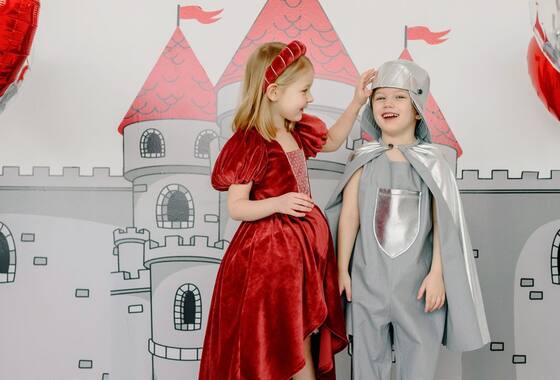
Costumes, hamantaschen and Purim plays are not among the four mitzvahs, but they carry real meaning. The Purim story has no open miracle; G-d's name does not even appear in the Megillah. He was hidden behind "coincidences," and so we hide behind masks. See Purim costumes and Purim for kids.
The day before is the Fast of Esther, and Al Hanissim is added to the prayers. For this year's dates and events, see the Purim holiday page, or call the Rabbi to hear what Chabad of Lamorinda has planned.
In Lamorinda: Every Jew from Lafayette, Moraga and Orinda is welcome on Purim; no membership needed. Call Rabbi Yisroel Labkowski at 925-384-7242 to hear what Chabad of Lamorinda has planned this year.
Common questions
Can I do all four mitzvahs on Purim night?
Only the Megillah reading. Mishloach manot, gifts to the poor and the feast must be done during the daytime of Purim. Hear the Megillah again in the morning and then do the other three.
How much should I give to the poor on Purim?
At least enough for a modest meal to each of two people; there is no upper limit. Giving it through a synagogue or rabbi is a common way to make sure it reaches people that day.
Do children have to do the mitzvahs?
Children are not obligated but are taught to do them: they come to hear the Megillah, deliver mishloach manot, put coins in the tzedakah box and join the feast.
What if Purim falls on a Friday?
The feast is held earlier in the day so it ends before Shabbat. Dates move each year; check the Purim holiday page or ask the Rabbi.
Questions about this, or something on your mind? Message the Rabbi or the Rebbetzin privately, or call 925-384-7242. · Email
Read next
 Megillah Reading on Purim: How and When to Hear the Book of EstherWhat the Megillah is, why we read the Book of Esther on Purim, when to hear it night and day, the blessings, and why we make noise at Haman.Read next →