
Learn › Prayer & Torah › The Torah, the Tanach and the weekly parsha
The Haftarah: What It Is and Why We Read It
What the Haftarah is, how it began, how it connects to the weekly Torah portion, who reads it, and what to know for a bar mitzvah.
On this page · 2 min read
What the word meansHow it beganHow it connects to the Torah portionWho reads itThe Haftarah and bar mitzvahWhen it is readThe Haftarah is a reading from the books of the Prophets, chanted in synagogue after the Torah reading on Shabbat, holidays and fast days. Each Haftarah is chosen to connect with the Torah portion of the day or with the season.
What the word means
Haftarah comes from a Hebrew root meaning "to conclude" or "to take leave." It is the closing reading that completes the Torah service. It is not related to the word Torah, even though they sound alike.
How it began
A well-known tradition explains that in ancient times, a foreign ruler banned the public reading of the Torah. The Jewish people found a creative way to keep learning: they read a passage from the Prophets with a theme similar to the forbidden Torah portion. When the decree ended, the custom of reading the Haftarah stayed, alongside the Torah reading.
How it connects to the Torah portion
Most Haftarot echo a story or idea from the week's portion. For example, when the Torah tells of Abraham welcoming guests, the Haftarah tells of the prophet Elisha welcoming a hospitable woman.
At certain times of year the connection is to the season instead:
- Three Haftarot of affliction are read during the Three Weeks before Tisha B'Av.
- Seven Haftarot of consolation follow Tisha B'Av, comforting the Jewish people.
- Special Haftarot are read on holidays, Rosh Chodesh and special Shabbatot.
Who reads it
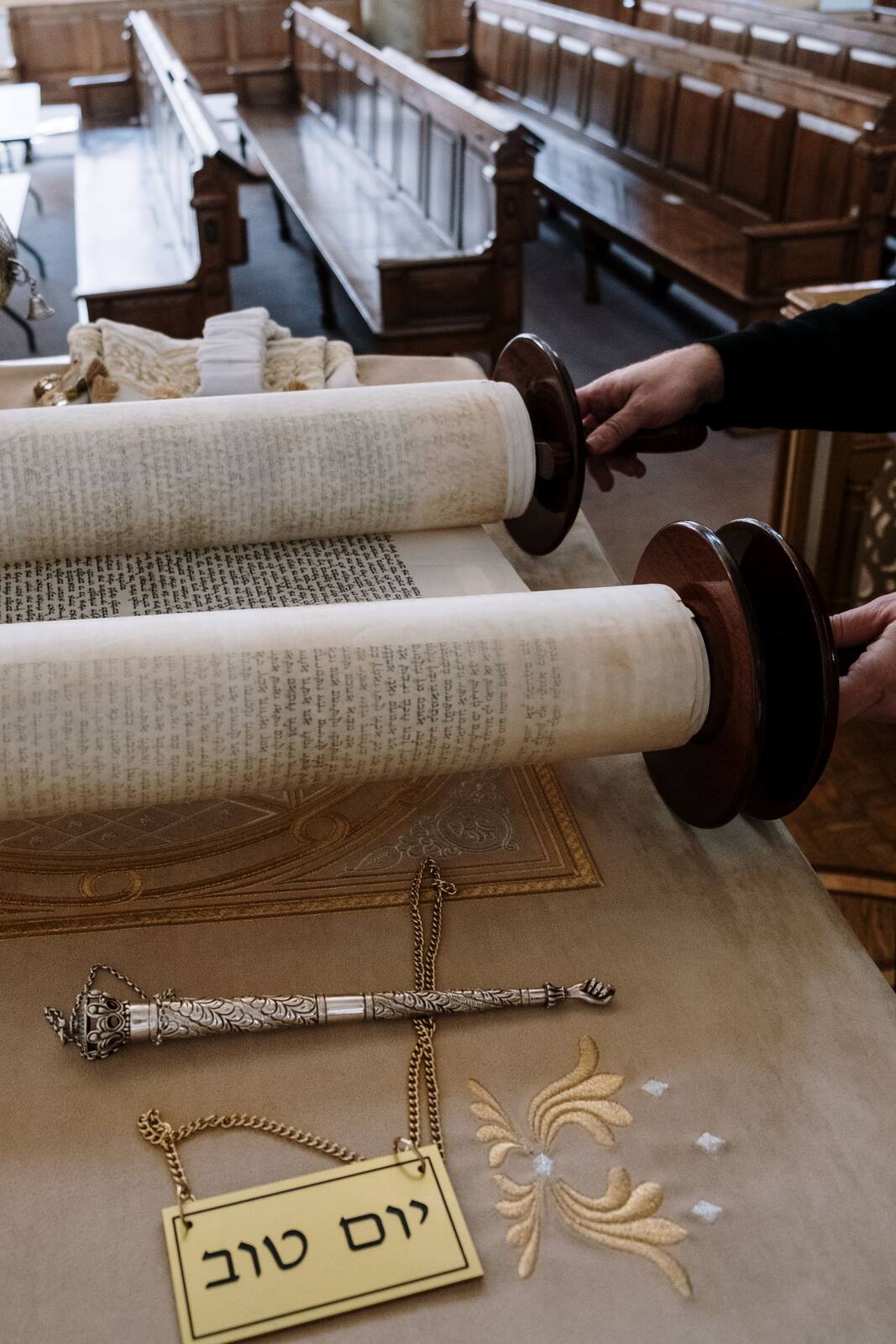
The person who reads the Haftarah is called the Maftir. He first receives the final aliyah to the Torah, then reads the Haftarah from a printed book or a scroll.
The Haftarah has its own blessings: one before the reading and several after it, praising G-d for the truth of the Prophets and praying for the redemption and the coming of Moshiach.
The Haftarah and bar mitzvah
For many boys, chanting the Haftarah is the highlight of their bar mitzvah. It is chanted with its own melody (trop), which differs from the Torah melody. Preparing takes several months of practice. Some boys read the Torah portion as well, and some read only the blessings. Every level is meaningful.
When it is read
- Shabbat morning after the Torah reading
- Holidays after the Torah reading
- Fast days at the afternoon (Mincha) service; on Tisha B'Av and Yom Kippur there is also a Haftarah in the morning
On Yom Kippur afternoon the Haftarah is the Book of Jonah, with its powerful message of teshuvah.
In Lamorinda: Preparing a Haftarah for a bar mitzvah? Learn about our program at jewishlamorinda.com/programs/bar-bat-mitzvah or call 925-384-7242.
Common questions
Is the Haftarah read from a scroll?
Customs vary. Many communities read from a printed Chumash, while some use a handwritten scroll of the Prophets. Both are accepted.
How long is a Haftarah?
Most take five to ten minutes to chant. Some are longer, such as on certain holidays.
Can a girl read the Haftarah?
In traditional practice the Haftarah is read by a man or bar mitzvah boy in the synagogue service. A bat mitzvah can be celebrated in many other beautiful ways, including learning and teaching a Torah idea.
Where can I find this week's Haftarah?
Every Chumash prints the Haftarah after each Torah portion. You can also find weekly Torah insights at This week's Torah portion.
Questions about this, or something on your mind? Message the Rabbi or the Rebbetzin privately, or call 925-384-7242. · Email
Read next
 The Torah Reading in Synagogue: When, Why and HowWhen the Torah is read in synagogue, how the weekly cycle works, what happens during the reading, and what to do as it takes place.Read next →