
Learn › Prayer & Torah › Judges, kings and prophets
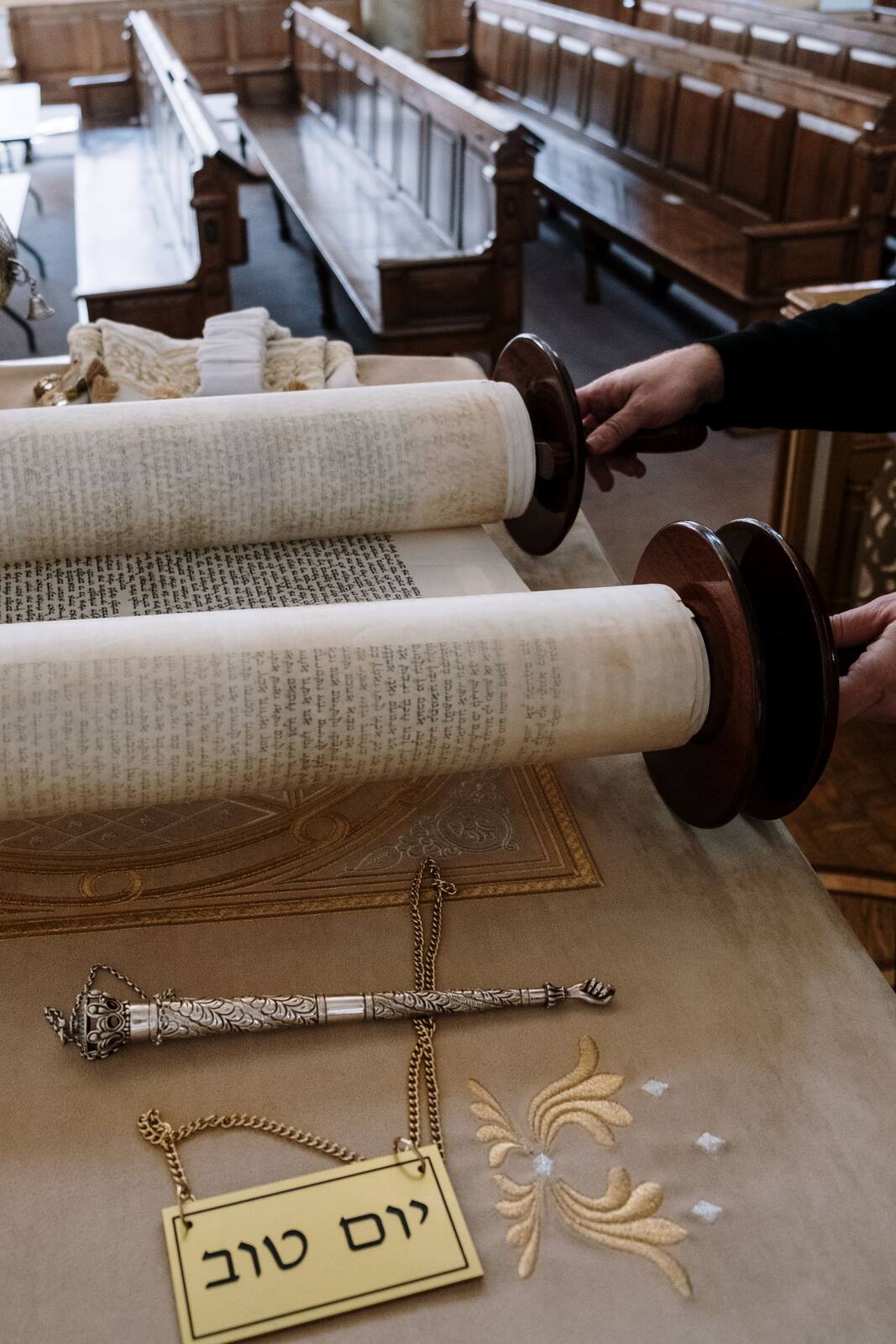
The Prophet Isaiah: Visions of Comfort and Peace
Who Isaiah was and the words of his we still say and hear, from "swords into plowshares" to "Nachamu, comfort My people."
On this page · 3 min read
Who was Isaiah?Isaiah and King HezekiahWords of Isaiah we still say and hearWhy is Isaiah's message one of comfort?How did Isaiah's life end?Take the next stepIsaiah (Yeshayahu, יְשַׁעְיָהוּ) was one of the greatest prophets of the Jewish people, a member of the royal family who spoke to kings and gave the people words of rebuke, comfort and hope. His vision of a world at peace, with swords turned into plowshares, is among the most famous passages of the Bible.
Who was Isaiah?
According to the Talmud, Isaiah came from the royal family of David. His father was the prophet Amotz, and tradition says he was a nephew of King Amatzia of Judea. That position let him speak to kings without fear. His daughter is said to have married King Hezekiah.
Isaiah prophesied during the reigns of several kings of Judea. His first prophecy came on the day King Uziyahu was struck with leprosy for trying to burn incense in the Temple, a task reserved for the priests. The book's chapters are not in strict time order, which is why the vision in chapter 6 comes after the first.
Isaiah and King Hezekiah
Isaiah advised King Hezekiah in difficult times. When the Assyrian king Sennacherib conquered towns of Judea and surrounded Jerusalem, Hezekiah wanted to give up, but Isaiah urged him to trust in G-d. That night, according to the Bible, the Assyrian army was destroyed.
When Hezekiah became ill, Isaiah told him the illness was serious. Hezekiah answered that a person should pray, even when a sentence seems final. He recovered and lived many more years. It is a lesson for every family dealing with illness: never give up on prayer.
Words of Isaiah we still say and hear
Many people know Isaiah's words without realizing where they come from:
- "Holy, holy, holy is the L-rd of hosts" (Isaiah 6:3). Isaiah's vision of the angels praising G-d lives in the Kedushah, said during the Amidah prayer.
- "Nation shall not lift sword against nation" (Isaiah 2:4). His vision of swords being beaten into plowshares is a message of peace to the entire world.
- "The wolf shall dwell with the lamb." His picture of animals and children living at peace shows the Messianic era, in the way Judaism understands it, a time when the world knows G-d and violence ends. Read more about Moshiach.
- "Nachamu, nachamu ami" (Isaiah 40:1). "Comfort, comfort My people." These are the first words of the haftarah read right after Tisha B'Av, the first of seven Shabbats of consolation.
- "Seek G-d when He can be found" (Isaiah 55:6). This call to return to G-d, with the lines that follow, is the haftarah read on public fast days.
Isaiah's prophecies about the nations of the world, and about the day when all peoples will learn G-d's teachings, also appear in the haftarot. See the haftarah and what a prophet is.
Why is Isaiah's message one of comfort?
The Talmud describes the Book of Isaiah as a book of comfort. He taught that a good future was possible as soon as the people sincerely returned to G-d, that is, through teshuvah. Even when he warned of hardship, he promised that G-d would never abandon His people. According to the sources, his prophecies also softened the blow of the later warnings of Jeremiah about the destruction of the Holy Temple.
How did Isaiah's life end?
The sources say that Isaiah died at the hands of Menashe, Hezekiah's son and Isaiah's grandson, a wicked king who accused him of contradicting Moses. His prophecies were written down by Hezekiah's students.
Take the next step
- Come to Shabbat services at Chabad of Lamorinda in Lafayette and hear the haftarah; see this week's Torah portion and call 925-384-7242 to hear what is planned.
- Read about another prophet in exile, Ezekiel, and learn how prophets speak to us today.
- Join a Torah class for adults in Lafayette, Moraga or Orinda: see adult education and our events.
In Lamorinda: Hear Isaiah's words of comfort read at Shabbat services. Call Chabad of Lamorinda at 925-384-7242 to hear what is planned.
Common questions
Who was the prophet Isaiah?
Isaiah (Yeshayahu) was a prophet of Judea and a member of the royal family of David. He advised kings, rebuked the people and gave them words of comfort and hope.
What is the Book of Isaiah about?
It contains rebuke for wrongdoing, prophecies about the nations, the story of Jerusalem's rescue in Hezekiah's time, and visions of comfort, redemption and a peaceful world.
Where does "swords into plowshares" come from?
It comes from Isaiah 2:4: nations will beat their swords into plowshares and learn war no more. Judaism understands it as a vision of the Messianic era.
What does Nachamu mean?
Nachamu (נַחֲמוּ) means "comfort." It is the first word of the haftarah read the Shabbat after Tisha B'Av: "Comfort, comfort My people."
What prayer comes from Isaiah?
The Kedushah, "Holy, holy, holy," comes from Isaiah's vision (Isaiah 6:3). We say it in the Amidah and elsewhere in the prayers.
How did Isaiah die?
According to Jewish tradition, King Menashe put him to death. For details of how, ask the Rabbi.
Questions about this, or something on your mind? Message the Rabbi or the Rebbetzin privately, or call 925-384-7242. · Email
Read next
 What Is a Prophet in Judaism? The Prophets and Their BooksWhat is a prophet in Judaism? The 48 prophets, seven prophetesses, the books of Nevi'im and the Haftarah explained. Ask Chabad of Lamorinda.Read next →