
Learn › Jewish ideas › Tzedakah: how and why to give
Giving Tzedakah as a Family: The Pushka, the Shabbat Table and Beyond
How to give tzedakah as a family: a pushka at home, giving before Shabbat candles, what tradition teaches, and ways grandparents and children can join.
On this page · 3 min read
Make giving part of the homeBefore Shabbat candlesWhom to help firstA tenth for the familyThree generations, one traditionFamilies give tzedakah together by keeping a pushka (charity box) in the home, adding coins every day and before Shabbat, and choosing together where it goes. Chassidic teaching says that a pushka in the house turns a home into a center of kindness, and that giving regularly matters more than the amount.
Make giving part of the home
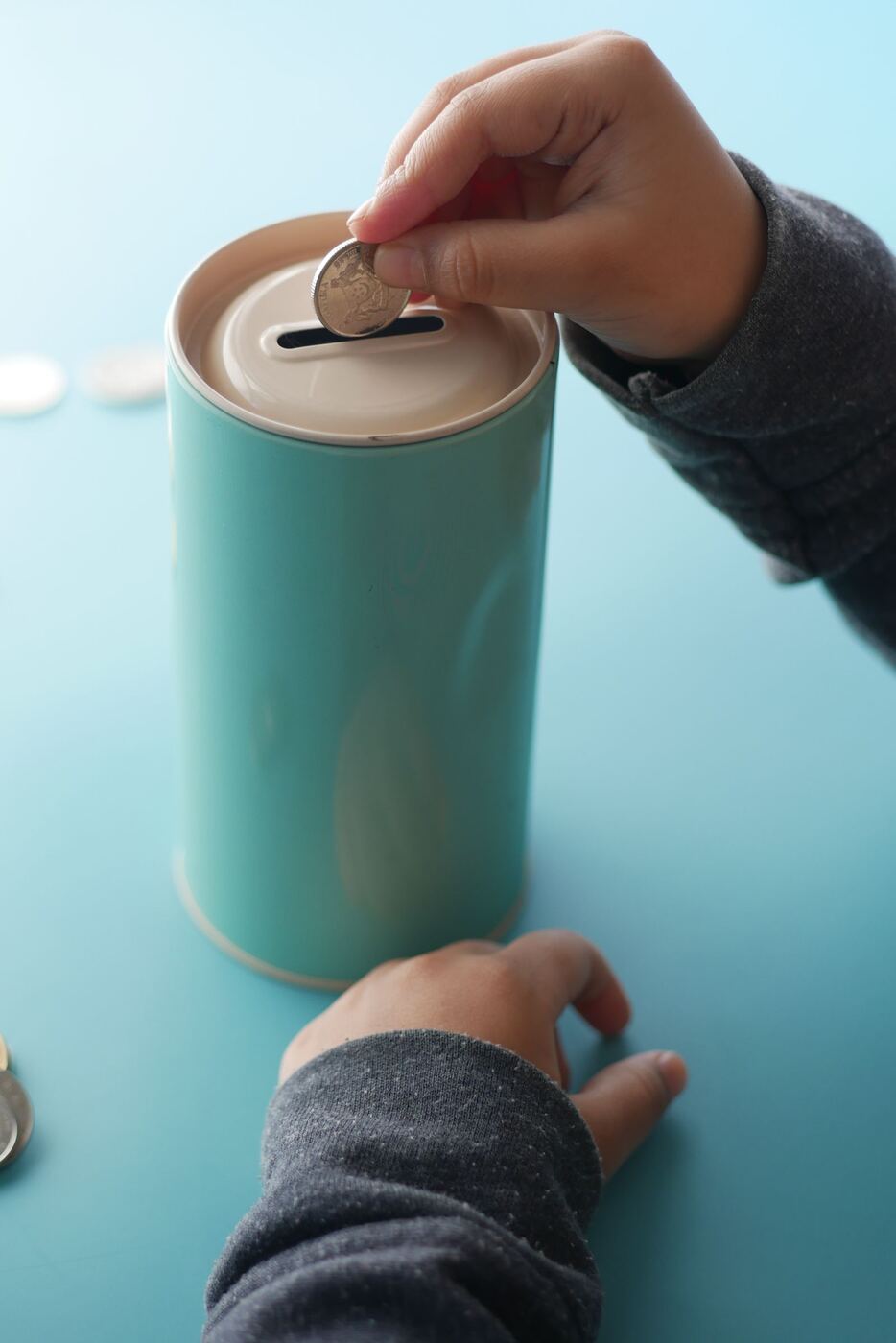
The Rebbe suggested keeping the pushka (פּוּשְׁקֶע, a Yiddish word for the charity box) as a permanent fixture, mounted on the wall at home or in the office. He said a charity box "redefines the entire space," making the home a center of kindness. Each day family members drop in a few coins, and extra coins are added just before Shabbat, because money is not handled on Shabbat or Yom Tov.
Two teachings stand behind it: Maimonides held that regularity matters more than the amount, and the Baal Shem Tov taught not to let a day pass without an act of giving. When the box is full, the family chooses a worthy cause together. See The Pushka.
Before Shabbat candles
There are several especially good times to give: before prayers, and, for women and girls, before lighting Shabbat and holiday candles. A pregnant woman is encouraged to give charity every day. See Tzedakah Before Candle Lighting and, for this week's candle-lighting time, Shabbat times.
A family can make this a gentle Friday habit: a child places the coins in the box, and everyone sees that Shabbat begins with giving. For the youngest children, see Children, Money and Tzedakah.
Whom to help first
Jewish law gives a simple order of priorities: family members in serious financial difficulty first, then local charities before distant ones, and charities in Israel before other faraway ones. Torah schools and Jewish institutions are among the worthy recipients. So a family can ask together: who near us needs help? See Tzedakah Priorities and Local Tzedakah in Lamorinda.
How we give matters more than how much: give warmly, with a smile, and give anonymously when you can, so the recipient is not embarrassed.
A tenth for the family
Many families set aside maaser, a tenth of income, for tzedakah. The Torah and Hashem promise success for all giving, and maaser is unique because the promise is stated clearly and we are invited to test it. The prophet Malachi (3:10) says to bring the tithes and "try Me now," and the Talmud (Taanit 9a) teaches: give a tenth so that you will become rich. This is the promise of the Torah and of Hashem, and the Rebbe taught that we may test G-d in this way with all tzedakah. It is never a reason for anyone to feel guilty. If money is tight, or you are not sure how maaser applies to your family, please call the Rabbi at 925-384-7242. See Maaser.
Three generations, one tradition
Grandparents can give alongside grandchildren: a coin in the pushka together, or a shared gift. See Jewish Grandparents. A family can also give through Chabad of Lamorinda. Chabad of Lamorinda accepts donor-advised fund grants, which count as maaser, as well as gifts of stock and legacy gifts. See the legacy page, and ask your tax advisor about details.
If your family would rather give time, volunteer with us.
In Lamorinda: Looking for a way for your family to give together in Lafayette, Moraga or Orinda? Call Rabbi Labkowski at 925-384-7242, or see /forms/volunteer.
Common questions
How can we give tzedakah as a family?
Keep a pushka in the home, give a few coins every day and before Shabbat, and choose together where the money goes. It is a simple, lasting habit.
Where should the family pushka be placed?
The Rebbe suggested a permanent place, mounted on the wall at home or in the office, where it is seen every day.
Can we give on Shabbat?
Money is not handled on Shabbat or Yom Tov, so the pushka is filled before.
Why do many families give maaser, a tenth?
Because the Torah itself invites us to "try Me" with the tithe (Malachi 3:10), and the Talmud teaches to give a tenth so that you will become rich. The Torah and Hashem promise success for all giving, and maaser is where the promise is stated clearly and we are invited to test it. For your own situation, call the Rabbi.
Who should get our tzedakah first?
Family members in serious need come first, then local causes, and Israel before other distant causes. Ask the Rabbi about your own case.
Can grandparents give together with grandchildren?
Yes. Giving together passes the tradition on. See Jewish Grandparents for ideas.
Take the next step
- Put a pushka where the whole family will see it this week.
- Read Tzedakah Priorities together at the Shabbat table.
- Call Rabbi Labkowski at 925-384-7242 to ask how your family can help in Lafayette, Moraga or Orinda.
Questions about this, or something on your mind? Message the Rabbi or the Rebbetzin privately, or call 925-384-7242. · Email
Read next
 Children, Money and Tzedakah: Raising Generous KidsJewish wisdom for teaching children about money: a pushka of their own, giving from their allowance, honesty, and being happy with what you have.Read next →